
New Jersey Moving Guide: 7 Essential Tips for Your Garden City Move
New Jersey

TL;DR: New Jersey Moving
|
So, you're ready to call the Garden State home? Welcome to the club! From the bustling streets of Jersey City to the beaches of the Jersey Shore, New Jersey packs plenty of personality into a relatively small state. If you're still deciding where to settle, exploring the best places to live in New Jersey can help you narrow down your options.
But before you start packing, a little New Jersey moving preparation can go a long way. Living in New Jersey means having access to everything from major cities to charming coastal towns and quieter suburban communities.
Whether you're relocating from New York City, crossing state lines, or moving between neighborhoods, you'll have a few unique challenges to consider. Think commuter traffic, narrow city streets, seasonal weather, and the occasional confusing jughandle intersection. This guide covers seven essential steps for planning your move, from downsizing and choosing moving services to settling into your new home.
| Planning a move to New Jersey? Start by getting a free moving quote from PODS. |
1. Downsize and Organize Before Your New Jersey Move
Want to reduce moving costs and avoid hauling boxes of things you haven't touched in years? Start by decluttering. Every extra box takes time, effort, and space to transport.
Sort Your Belongings Room by Room
Rather than tackling your entire home in one weekend, start with closets, storage areas, and rooms you don’t use frequently.
Separate belongings into four categories:
- Keep: Items you use regularly or genuinely want in your new home.
- Donate: Furniture, clothing, and household goods in usable condition.
- Sell: Valuable items you no longer need, including electronics and furniture.
- Recycle or discard: Broken or unusable belongings that can't be donated.
Relocating is also an opportunity to reconsider what will fit in your new space. A sectional that works beautifully in a suburban living room might not make it through a Hoboken apartment stairwell.

Donating unwanted belongings is a great way to cut down on the volume of things you have to move.
Sell, Donate, or Recycle Unwanted Items
Selling unwanted belongings through Facebook Marketplace or local community groups can help offset moving expenses. For donations, contact nearby Goodwill locations or nonprofit organizations to confirm what they accept.
For electronics and other materials requiring special disposal, consult the New Jersey Department of Environmental Protection or your municipality's recycling guidelines.
Create a Packing Inventory
Make a basic inventory of furniture, appliances, fragile belongings, and box quantities before requesting moving estimates. Label boxes by room and contents, and keep essential documents, medications, and valuables separate from your main shipment.
A little organization now means fewer mystery boxes later. Because nobody wants to spend their first night searching for a toothbrush.
2. Consider Your New Jersey Moving Logistics
Not all New Jersey moves look alike. Moving from Manhattan into a Jersey City high-rise involves different challenges than relocating to a single-family home in Cherry Hill.
Before moving day, consider how your belongings will get from the moving vehicle into your new home.
Check Parking, Permits, and Building Requirements
In communities like Hoboken, Newark, and Jersey City, curb space can be limited. Depending on your municipality, you may need permission or temporary parking arrangements for moving vehicles.
Check directly with local officials before scheduling your move. Permission to park a truck doesn't necessarily authorize placing a portable storage container in the street.
If you're moving into an apartment or condominium, ask building management about:
- Freight elevator reservations and approved moving hours
- Loading docks and designated entrances
- Certificates of insurance for moving companies
- Vehicle restrictions and HOA rules for portable containers
Confirm these details early, especially when coordinating a complicated move.
Measure Furniture and Access Points
That oversized sofa might look fantastic in your new living room, but will it fit through the doorway?
Measure larger furniture, hallways, stairwells, elevators, and entrances. Disassemble pieces where practical, and ask whether your building requires protective padding in common areas.
Plan for Traffic and Tolls
New Jersey's proximity to New York City and Philadelphia means traffic deserves a place on your moving checklist.
Major routes like the New Jersey Turnpike, Garden State Parkway, and Interstate 80 can experience heavy congestion, while summer weekends near the Jersey Shore are sure to be busy.
If you're driving a rental truck, research vehicle restrictions, tolls, and parking before leaving. And check the New Jersey Turnpike Authority’s website for roadway and toll information.
If you're new to the state, familiarize yourself with jughandle intersections. Sometimes making a left turn means exiting to the right first. Yes, really.
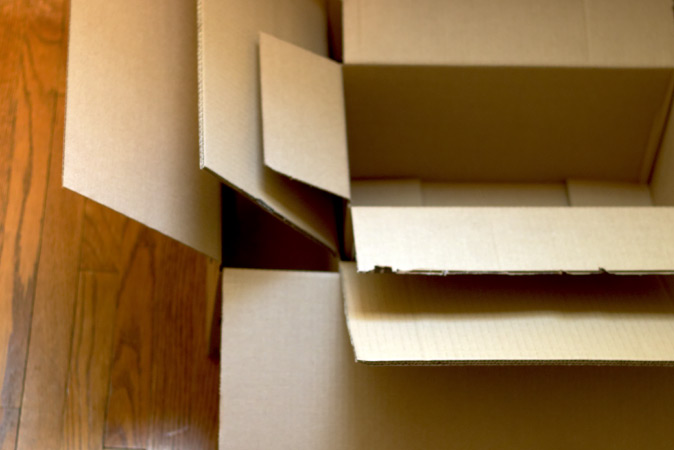
Friends, family, and local businesses are usually more than happy to give away old cardboard boxes.
3. Find Free Moving Boxes and Packing Supplies
New Jersey moving expenses can add up quickly, especially when you're packing an entire household. Fortunately, you don't need to purchase every box.
Where To Find Free Moving Boxes
Consider these sources:
- Friends and family: Ask anyone who recently moved to save their boxes.
- Local businesses: Bookstores, offices, and retail shops may have sturdy boxes available after deliveries.
- Community groups: Buy Nothing groups, Freecycle, and neighborhood forums often feature free supplies.
- Online marketplaces: Search for free moving boxes, particularly around the beginning and end of each month.
Always ask permission before taking boxes from a business or recycling area.
Know When To Buy New Boxes
Free boxes work well for clothing and lightweight household goods, but damaged cardboard isn't ideal for heavy or fragile belongings.
Use sturdy boxes for dishes, electronics, and books. Wrap delicate items carefully, avoid overpacking, and keep box weights manageable.
For additional preparation, consult the PODS moving checklist to organize supplies and tasks before moving day.
4. Remember That Timing Is Everything
When it comes to New Jersey moving, choosing the right date can make a noticeable difference.
Between commuter traffic, seasonal demand, building restrictions, and weather, flexibility is especially valuable.
Choose Your Moving Date Strategically
Summer is a popular moving season, particularly for families coordinating around school schedules. That demand can limit availability, so book ahead.
If possible, consider a weekday or a date outside the busiest summer months. Ask providers whether rates vary by date and compare estimates before committing.
Don't assume weekends always mean lighter traffic, either. Routes toward shore communities can become particularly congested during summer. Check 511NJ's real-time traffic updates for congestion, construction, and road closures before heading out.
Keep New Jersey weather in mind when comparing dates, particularly if you're considering a winter move or relocating during hurricane season.
Give Yourself Some Breathing Room
Trying to pack, load, transport, unload, and unpack everything in one day can be exhausting.
Build extra time into your schedule when possible, especially if you're coordinating closing dates, renovations, or apartment access.
If your departure and arrival dates don't align, PODS moving services can provide flexibility through portable container storage and transportation.
Complete major painting, flooring, or repairs before furniture arrives whenever possible. Your future self will appreciate not having to rearrange the living room twice.
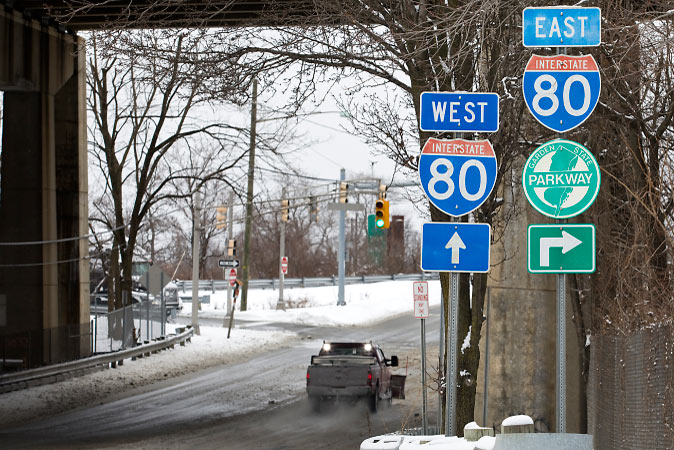
Snow storms and icy conditions can make a winter move in New Jersey more than a little tricky.
5. Watch the New Jersey Weather Reports
New Jersey weather can be unpredictable, so consider seasonal conditions when planning your move.
Prepare for Seasonal Weather
- Spring: Milder temperatures make outdoor work more comfortable, but rain can create slippery walkways. Protect boxes and furniture from moisture.
- Summer: Heat and humidity can make loading uncomfortable. Schedule strenuous work earlier in the day, stay hydrated, and take breaks.
- Fall: Early fall often brings comfortable conditions, although heavy rain and coastal storms remain possible.
- Winter: Snow, ice, and freezing temperatures can complicate driving and loading. Keep walkways clear and monitor road conditions.
Have a Backup Plan for Storms
Nor'easters and other major storms can disrupt transportation and create unsafe conditions.
Check National Weather Service forecasts several days ahead and contact your moving provider if severe weather is expected. Keep essential supplies accessible, including medications, chargers, flashlights, and important documents.
When moving in the winter, prioritize safe conditions over sticking to an unnecessarily rigid schedule. Take advantage of flexibility whenever you have the chance.
6. Find the New Jersey Moving Option That's Right for You
Choosing a moving service isn't just about finding the lowest price. Consider how much work you're comfortable handling, whether you need storage, and how much scheduling flexibility you want.
The three main options are full-service movers, DIY truck rentals, and PODS portable moving containers.
Full-Service Moving Companies
Full-service movers are a good fit if you'd rather have professionals handle the brunt of the physical work.
Depending on the package, services may include packing, loading, transportation, unloading, and furniture assembly. This can be helpful for large households, tight schedules, or moves with difficult building access. However, comprehensive services generally cost more than handling some of the work yourself.
Before hiring a company:
- Request written estimates from multiple providers.
- Confirm which services and fees are included.
- Ask about stairs, long carries, and difficult access.
- Review coverage options and verify licensing.
For interstate moves, the Federal Motor Carrier Safety Administration provides resources for checking movers and understanding consumer protections.
DIY Moving With a Rental Truck
If you're comfortable driving a larger vehicle and handling the labor, renting a truck may be a budget-friendly option.
You'll generally be responsible for packing, loading, transportation, unloading, fuel, and returning the vehicle.
Remember to account for mileage, tolls, equipment, and optional coverage beyond the advertised rental rate.
New Jersey's busy highways, narrow urban streets, and unfamiliar intersections can make driving a large truck challenging. Research your route and parking arrangements before committing to a DIY move.
PODS Portable Moving Containers
PODS portable moving containers offer an alternative for people who want to handle some of the work themselves without driving a rental truck.
A container is delivered to your location, allowing you to load your belongings on your schedule. When you're ready, PODS handles transportation to your new destination.
This approach can be especially useful when you're moving between homes with different closing dates, coordinating renovations, or prefer to pack gradually.
PODS offers multiple container sizes, including 8-foot and 16-foot options, with 12-foot containers available for local moving and storage in participating markets. Availability varies by location.
Storage can also be incorporated into your moving plan, whether you need additional time between homes or somewhere to keep belongings during renovations.
For apartment moves or locations where traditional container placement isn't practical, ask about PODS City Service for city moving. In participating urban areas, this service coordinates container access and loading without requiring the container to remain at your property.
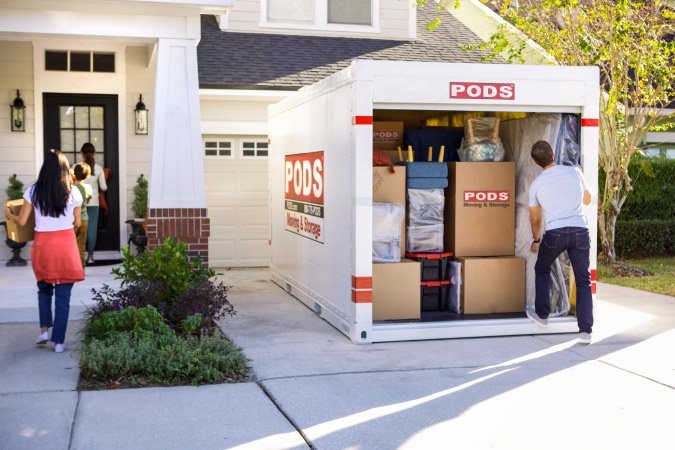
Before unloading everything, confirm utilities are functioning, entrances are accessible, and rooms are ready for furniture.
7. Manage Moving Day Like a Pro
Your New Jersey moving day has finally arrived. You've packed the boxes, coordinated transportation, and double-checked your plans — now it’s time to get going.
A few practical habits can help you stay organized while everything is in motion.
Keep Essentials Within Reach
Pack a separate bag or box containing:
- Medications and important documents
- Chargers and basic electronics
- Toiletries, towels, and clean clothes
- Snacks, water, and pet supplies
- Bedding and basic cleaning products
Keep these essentials with you rather than loading them deep inside the moving vehicle.
Check Your New Home Before Unpacking
Before unloading everything, confirm utilities are functioning, entrances are accessible, and rooms are ready for furniture. Photograph the property's condition if you're renting, and direct boxes to their designated rooms as they're unloaded.
Take breaks throughout the day, especially during hot weather. Moving is a marathon, not a sprint.
Update Your Address and Important Documents
If you're moving to New Jersey from another state, remember that settling in involves more than unpacking.
According to the New Jersey Motor Vehicle Commission, new residents generally must transfer their out-of-state driver's license and vehicle title and registration within 60 days, or before their existing documents expire, whichever comes first.
Update your mailing address, insurance information, voter registration, and financial accounts as well.
Families should contact their new school district about enrollment requirements. The state's School Performance Reports can help families research New Jersey schools before relocating.
And once the practical details are handled? Explore your new neighborhood, visit a local diner, or spend an afternoon along the boardwalk. Living in New Jersey should involve more than unpacking boxes.
New Jersey Moving — FAQs
Q: Is moving to New Jersey a good idea?
A: Living in New Jersey can be a good choice for people who value access to New York City and Philadelphia, coastal recreation, and a variety of urban and suburban neighborhoods. However, housing costs, property taxes, and traffic are important considerations. Research local expenses and commute times before deciding where to settle.
Q: How much are movers in NJ?
A: Moving costs vary based on distance, household size, labor, timing, and services. Local movers may charge hourly rates, while long-distance providers often calculate estimates using shipment size, distance, and additional services. Request multiple written quotes and compare what's included rather than relying on advertised rates alone.
Q: Are more people leaving NJ than moving in?
A: Yes, more people are leaving New Jersey for other U.S. states than moving in from them. According to USAFacts, which uses U.S. Census Bureau data, New Jersey lost about 37,400 residents through domestic migration between 2024 and 2025. However, the state's overall population still grew by about 41,900 people during that period, largely due to international migration and natural population growth.
Q: What salary do you need to live comfortably in New Jersey?
A: According to the MIT Living Wage Calculator, a single adult with no children needs approximately $56,900 annually before taxes to cover basic living expenses in New Jersey. For two adults without children, the required combined income is $75,800, whether one or both adults work. A family of four with two working adults and two children needs approximately $147,600 combined annually, compared to $98,000 if only one adult works.
Q: What should you do before you move to New Jersey?
A: Before you relocate to Jersey, compare neighborhoods, establish a budget, confirm parking requirements, and schedule transportation. Declutter, gather supplies, and prepare an essentials bag. If you're moving from another state, plan to update your license, vehicle registration, and other records after arrival.

One month's storage is included in the cost of every PODS move, so you can take your time loading and unloading without feeling rushed.
Make Your New Jersey Move Flexible With PODS
Make your move to New Jersey flexible with PODS portable moving containers. Have a container delivered right to your driveway, where you can load your belongings on your own schedule. When you're ready, PODS will pick it up and deliver it to your new home.
Need some extra time before moving in? One month's storage is included in the cost of every PODS move. You can keep your belongings in your container on-site where permitted or arrange storage at a PODS Storage Center until you're ready for delivery. Need help with the heavy lifting? PODS can refer you to local packing and loading services to help with the work.
Visit PODS online for a free local moving quote or call 877-350-7637 for long-distance moving.
LB Gabriel is a freelance writer who lives with her husband, daughter, and Golden Retriever in Memphis, TN. A frequent PODS Blog contributor, she's a sucker for any tip she can find on downsizing, cutting clutter, or minimalist living. When she's not on a deadline, you can find her on a tennis court or golf course.
*This article was written on behalf of PODS Enterprises, LLC (“PODS”). PODS does not warrant the completeness or accuracy of any information contained in this article and disclaims any liability for reliance upon the content herein.

Your quote in 60 seconds
Get pricing tailored to your needs!
Related Articles

The Best Jersey City Neighborhoods: Everything From Skyline Views to Historic Charm
New Jersey
Read more
The 10 Best Places to Live in New Jersey for Families, Young Professionals, and Retirees
New Jersey
Read more

