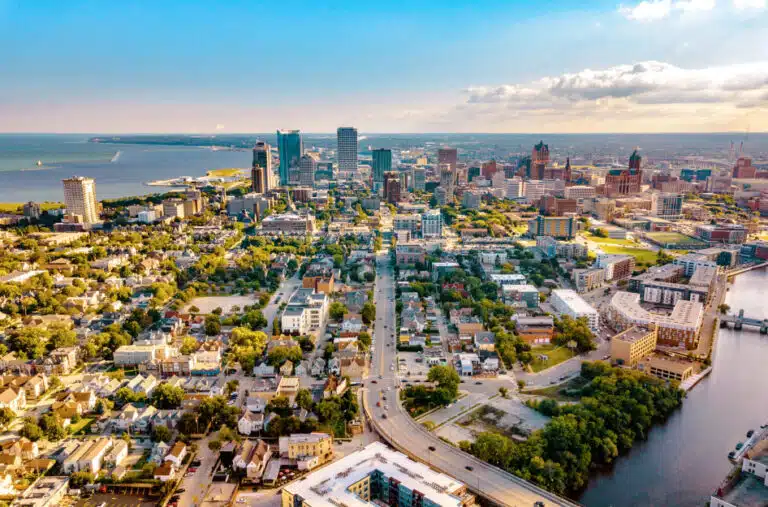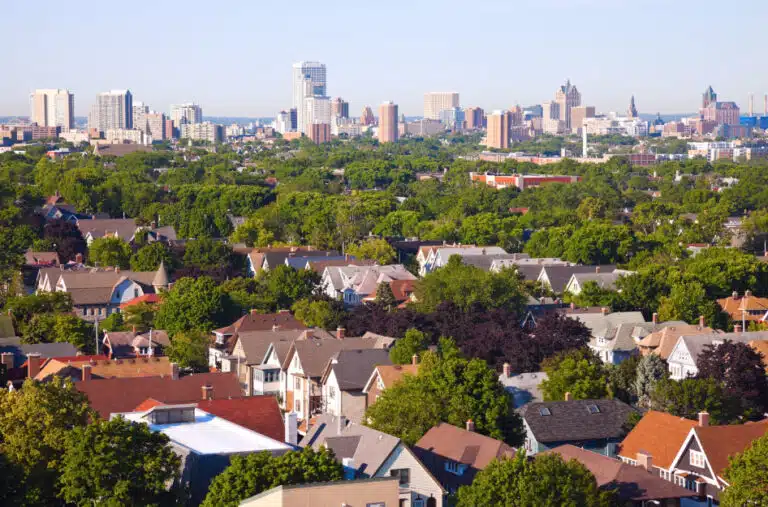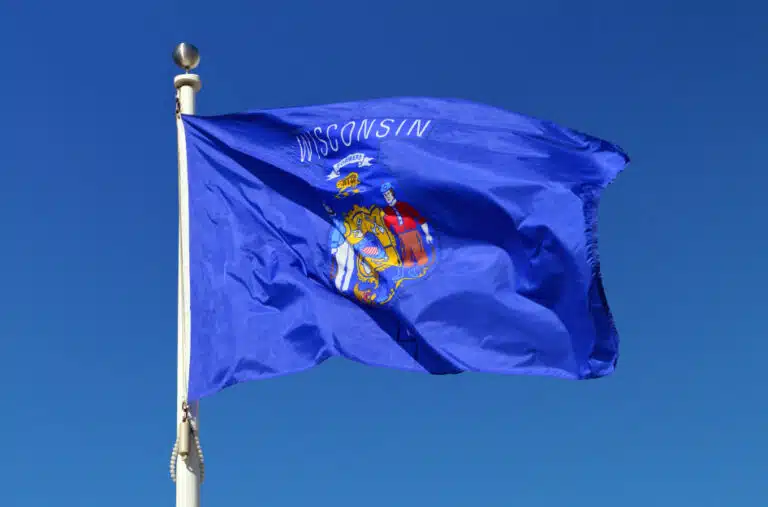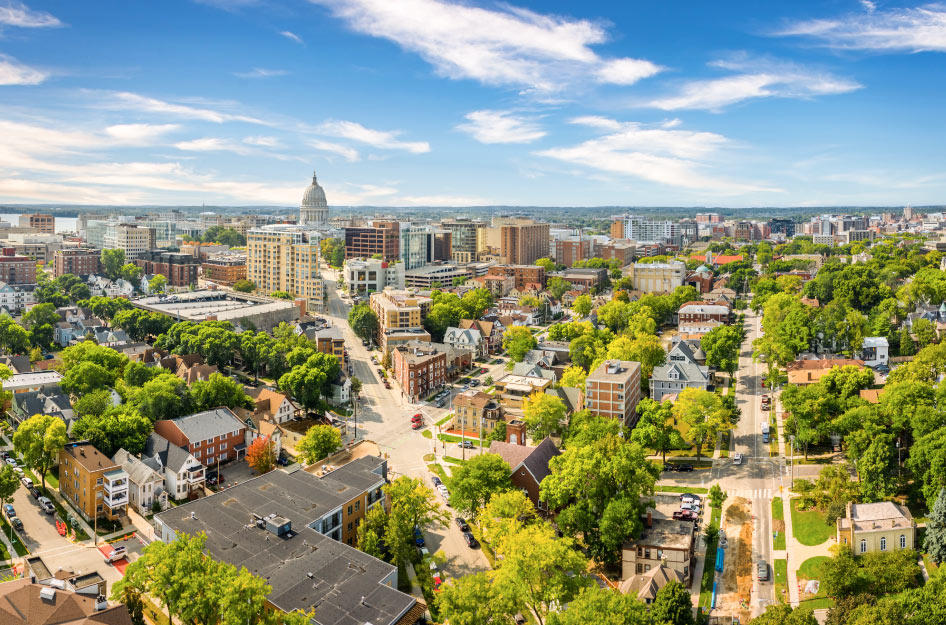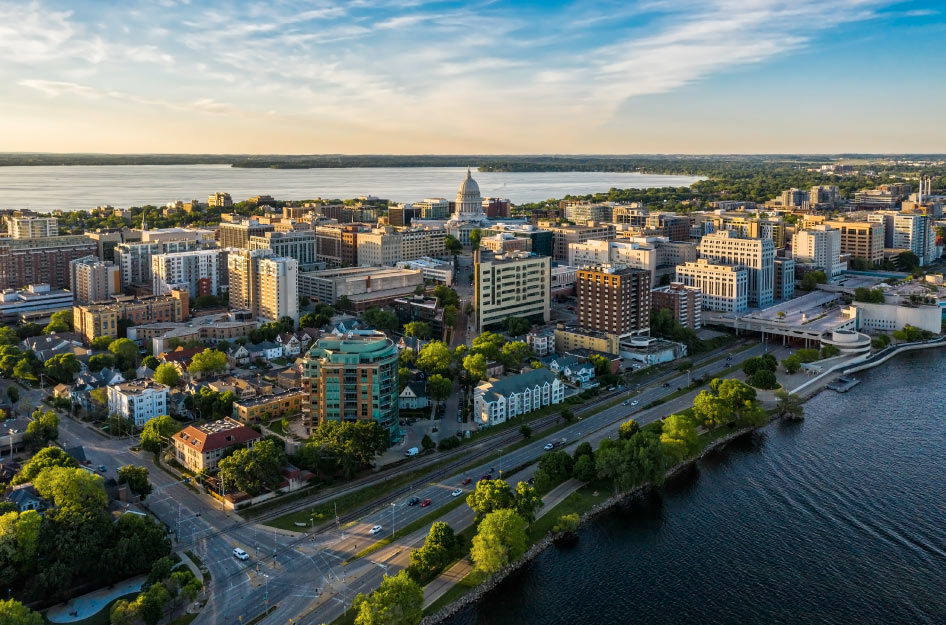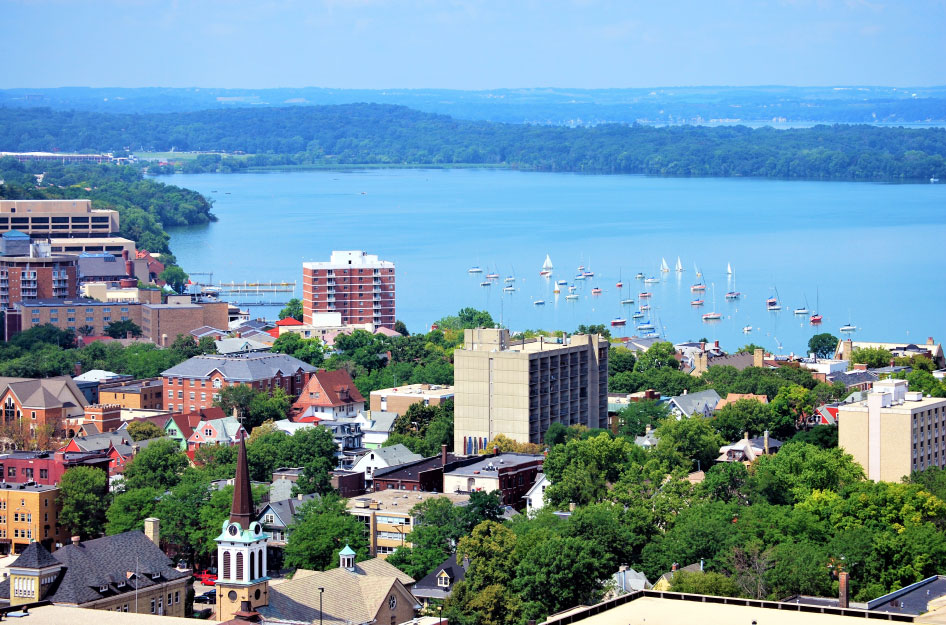
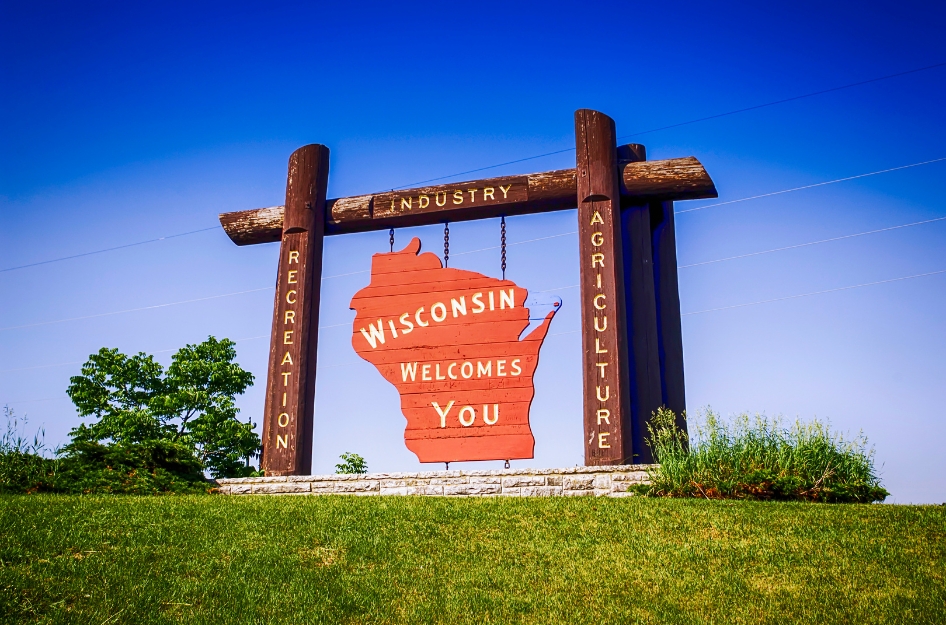
Thinking about moving to Wisconsin? You’re not alone. From its strong economy and highly rated schools to its welcoming communities and four-season outdoor lifestyle, the Badger State has a lot going for it. Whether you're relocating for work, family, retirement, or simply a change of scenery, Wisconsin offers a mix of small-town charm and big-city opportunities that appeals to just about everyone. Before you start packing boxes and mapping out your move, here’s what you should know about living in Wisconsin.
| Planning a move to Wisconsin? Start by getting a free moving quote from PODS. |
Wisconsin at a Glance
- Population: Wisconsin has a population of almost 6 million.
- Median age: The median age in Wisconsin is 41 years.
- Total size: Wisconsin’s total area is about 65,500 square miles.
- Location: Wisconsin is located in the Great Lakes and Midwestern U.S. region.
- Fun fact: Wisconsin is also known as “America’s Dairyland,” as the nation’s top cheese-producing state.
| Q: Is moving to Wisconsin a good idea? A: Yes, moving to Wisconsin is considered a good idea for those seeking a high quality of life with a strong sense of community. |
20 Things To Know About Living in Wisconsin
Is Wisconsin a good place to live? From the bustling lakefront of Milwaukee to the state’s quieter hubs, Wisconsin life offers the perfect combination of top-tier education, a low unemployment rate, and a diverse community culture with events that draw in visitors from all over the world. Life in this thriving Midwestern hub does come with its trade-offs, though, including brutal winters and expensive property taxes.
To find out if relocating to Wisconsin is the right decision for you, here’s everything you should know.
1. Wisconsin’s Cost of Living Makes for a Comfortable Lifestyle
While not always the cheapest in the Midwest, the cost of living in Wisconsin is generally considered affordable. With a cost of living score of 89.9, the state’s cost of living is 10.1 percent lower than the national average.
According to MIT’s Living Wage Calculator, a family of four (both adults working) living in Wisconsin needs to make $119,200 annually before taxes to cover basic living expenses. A couple without children should bring in closer to $62,200, and a single person should earn at least $45,500.
| Q: Is $50,000 a good salary in Wisconsin? A: Yes, an annual salary of $50,000 is good for a single person. |
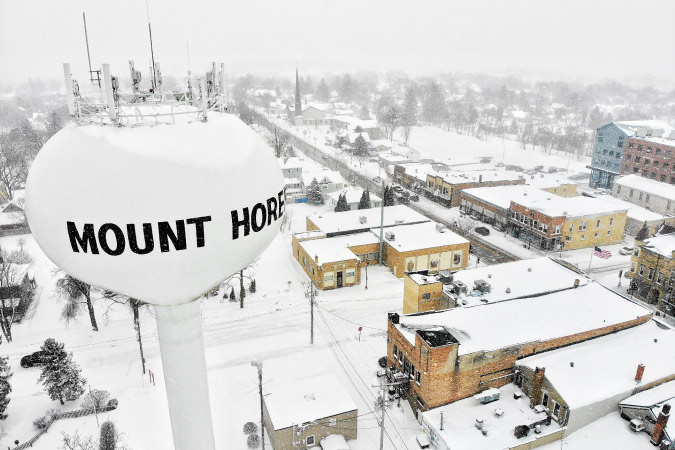
Prepare for brutal winters when living in Wisconsin.
2. Pros and Cons of Living in Wisconsin
Living in Wisconsin offers a high quality of life and a strong economy, but these advantages are balanced out by a few cons.
Pros of Living in Wisconsin
- Robust job market
- Exceptional public education
- Outdoor recreation
- Quality healthcare
Cons of Living in Wisconsin
- Brutal winters
- Limited public transit
- Allergies
- High property taxes
3. The Housing Market in Wisconsin Is Characterized by Rising Prices and Tight Inventory
With an average home price of $330,900, Wisconsin’s home prices fall below the national average of $368,200, though prices are up 5.4 percent from the previous year. The state remains a strong seller’s market with critically low inventory levels.
You’ll find a diverse range of housing types throughout the state. Single-family homes are the most dominant and include traditional styles like Colonial and Cape Cod. You can also find farmhouses in Central and Western Wisconsin. Looking for smaller quarters, like condos and townhomes? Check urban centers like Milwaukee and Madison.
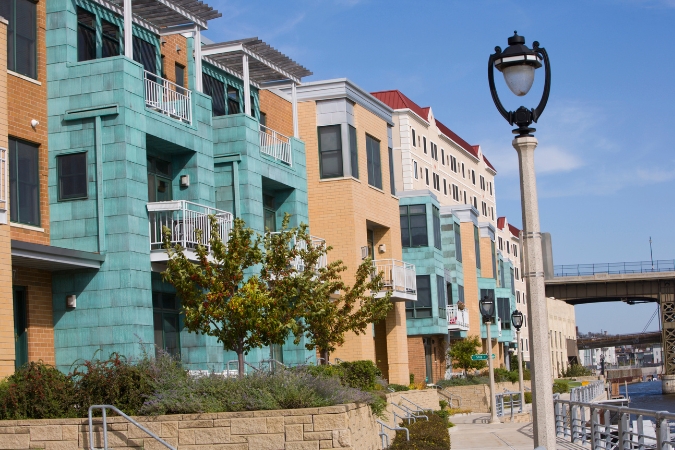
From Milwaukee to smaller cities, the best places to live in Wisconsin are becoming increasingly renter-friendly.
4. Wisconsin’s Rental Market Reflects More of a Balance Than the Housing Market
Wisconsin’s rental market has shifted toward renter-friendliness due to increased vacancy rates. Milwaukee has seen one of the most dramatic shifts, with vacancy rates doubling from nearly 5 percent in 2024 to nearly 11 percent in 2025.
The average rent for a one-bedroom apartment in Wisconsin is $1,625 and gives you close to 750 square feet of space. Two-bedroom apartments are more ideal for roommates and small families, averaging about 1,050 square feet.
5. The Best Places To Live in Wisconsin Are Distinguished by Distinct Regional Identities
Wisconsin’s best places to live range from energetic, big-city atmospheres to smaller hubs known for their family-friendly environments with tight-knit communities. The top cities to live in Wisconsin include:
- Madison: The city of Madison is regarded for its vibrant energy and strong economy, which makes it the perfect place to relocate for retirees, young professionals, and families. The city boasts a robust job market, diverse cultural activities, and easy lake access.
- Green Bay: Green Bay is a top-tier city for families, known for its highly connected community atmosphere, friendly neighborhoods, and variety of annual events.
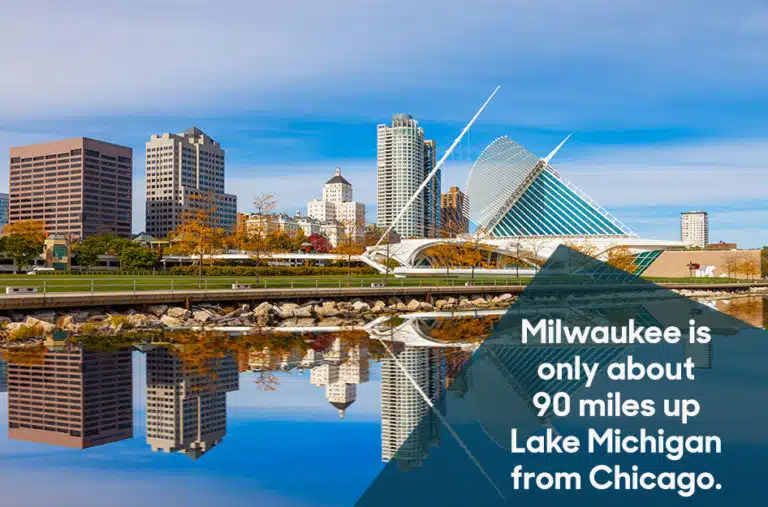
- Milwaukee: Milwaukee is one of Wisconsin's premier cities for retirees, known for its exceptional walkability, top-notch healthcare, and direct access to Lake Michigan.
| Q: What is the best part of Wisconsin to live in? A: The major cities of Madison and Milwaukee are the most desirable parts of the state to live in primarily because of their job opportunities and cultural amenities. |
6. Wisconsin Is Considered a Safe Place To Live
If you’re looking to relocate to a safe state overall, then settling down in Wisconsin is a good decision. The state consistently ranks as one of the safest states in the U.S.
When compared to the national average violent and property crime rates, Wisconsin has lower totals. For example, the assault rate is 2.0 per 1,000 people in Wisconsin, compared to 2.56 per 1,000 people in the U.S.
When it comes to property crime, the theft rate is 8.76 per 1,000 people in Wisconsin, compared to 12.72 per 1,000 people in the U.S.
| Q: What is the safest city in Wisconsin? A: According to NeighborhoodScout, Bear Creek ranks as the state’s safest city. |
7. The Best Things To Do in Wisconsin Combine World-Class Outdoor Adventure With Exploring Unique Culture
From exploring the outdoors to taking in local sports traditions and visiting unique cultural landmarks, Wisconsin offers a diverse array of activities. Here are some of the best things to do:
- Devil’s Lake State Park: The largest and most visited park in Wisconsin, providing nearly 30 miles of trails and lake activities like kayaking and paddleboarding.
- Lambeau Field: Situated in the heart of Green Bay, this iconic stadium offers tours year-round and an exciting game day experience.
- Milwaukee Art Museum: This museum offers a diverse collection of art and features local events and a unique gift shop.
- Wisconsin Dells: Bring the whole family and spend a day in Wisconsin Dells, a popular tourist city with a large concentration of waterparks such as Great Wolf Lodge.
- Taliesin Preservation: An estate and studio of Frank Lloyd Wright, which is a UNESCO World Heritage Site offering informative tours.
8. Wisconsin Takes Pride in Its Annual Cultural Events
Residents can choose from hundreds of heritage festivals, art fairs, and community celebrations to attend in Wisconsin, particularly during the summer months. Major annual cultural events include:
- Milwaukee Irish Fest: One of the largest celebrations in the world of Irish music and culture, featuring global artists, dancing, and authentic cuisine.
- Fyr Bal Festival: This festival, held in Ephraim, celebrates the state’s Scandinavian roots with midsummer bonfires and music on Lake Michigan’s shores.
- Summerfest: Music enthusiasts from all over the globe head to Wisconsin to attend Summerfest, one of the world’s largest music festivals that takes place at Henry Maier Festival Park.
9. Wisconsin Is a Major Sports Mecca
Wisconsin’s sports culture runs deep. Fans are loyal to the core, and the state is home to championships in the most popular U.S. sports, including football and basketball.
Playing at Lambeau Field, the NFL’s Green Bay Packers are the only community-owned major professional sports team in the U.S. Milwaukee is also home to several successful franchises, including the Milwaukee Bucks (NBA), Milwaukee Brewers (MLB), Milwaukee Admirals (AHL), and the Milwaukee Wave (MASL).

From fine dining to local favorites like golden fried cheese curds, the best restaurants in Wisconsin offer flavors to satisfy every craving.
10. The Culinary Scene in Wisconsin Has Evolved Into a Farm-to-Table Powerhouse
Wisconsin’s food scene is a mixture of classic old-school comfort and modern culinary innovation and is world-famous for its cheese and beer specialties. Some standout restaurants in Wisconsin include:
- The Harvey House: An upscale restaurant in Madison featuring elevated dishes like the rainbow trout almondine with Marcona almonds and duck confit pappardelle.
- Delilah’s: A cozy restaurant less than 10 minutes from Lambeau Field offering classic southern comfort food options like shrimp and grits and biscuits and gravy.
- Lakefront Brewery: Here you can find some of the best cheese curds you’ll ever taste in your life, with a wide array of beer options.
11. Public Transportation in Wisconsin Is Centered Around Its Major Cities
Most public transportation options in Wisconsin are centered around its major cities, and residents living in rural areas will need a car to get around.
MCTS (Milwaukee County Transit System) is the largest system in the state, serving 19 municipalities. The city of Madison’s Metro Transit offers high-frequency bus routes that run every 15 minutes.
The Wisconsin Department of Transportation connects some smaller communities to hubs like Milwaukee and Minneapolis. The new Route 11 connects La Crosse to Green Bay, and other routes connect Madison to Green Bay and Madison to Wausau.
12. Wisconsin’s Job Market Has Become More Resilient
Wisconsin continues to maintain a strong and resilient labor market with an unemployment rate of 3.5 percent, below the national rate of 4.3 percent.
Historically anchored by manufacturing and agriculture, Wisconsin’s economy has diversified in recent years. The state is emerging as a U.S. leader in medical innovations, with major employers like GE Healthcare. The city of Milwaukee has also gained recognition for its leadership in sustainable water solutions and water research, supported by organizations such as The Water Council.
13. Wisconsin’s Education System Is Highly Regarded
Public K-12 schools in Wisconsin consistently rank among the top 10 in the U.S. — and they’re currently ranked No. 6 by WalletHub.
The Elmbrook School District in Brookfield has been named the best school district in Wisconsin by Niche, along with other top-performing districts, including the Middleton-Cross Plains Area School District in Middleton and the Mequon-Thiensville School District.
Wisconsin’s higher education is anchored by nationally recognized institutions, including the University of Wisconsin-Madison, a leading public research university known for its academic excellence and innovation.
14. Wisconsin Weather Is Characterized by Extreme Seasons
The climate in Wisconsin is defined by four distinct seasons with extreme weather variations. The state has an average temperature of around 40°F, with temperatures that can drop as low as -15°F in the state’s northern regions. Summer temperatures can reach as high as 90°F, though cooler breaks are common throughout the season.
The amount of average snowfall will depend on what region of the state you’re living in, which can range anywhere from 30 inches to over 70 inches in northern Wisconsin.

From brewery tours to local taprooms, enjoying a pint with friends is one of the most popular things to do in Wisconsin.
15. Beer Is a Part of Wisconsin’s Identity
Beer is more than a beverage in Wisconsin; it’s a staple of the state’s culture. Breweries serve as popular gathering places, and most offer family-friendly environments. German-style pilsners and traditional lagers pay homage to the state’s vast immigrant heritage.
Wisconsin is home to several well-known breweries, including Lakefront Brewery, which offers tours that are often considered the best in the country. New Glarus Brewing Co. and Miller Brewery offer other opportunities to explore the state’s brewing tradition and history.
16. Wisconsin Is a Very Dog-Friendly State
Dog owners living in Wisconsin feel right at home, as the state is celebrated for its extensive park system (great for your four-legged friends!) and specialized destinations like Door County.
Door County is truly a paradise for pets, with pet-friendly lodging options and five state parks for your dog to roam. Dog owners can also take a trip to The Boneyard in Madison for an off-leash dog park and annual events.
17. Milwaukee and Madison Make Up the State’s Best Nightlife Scenes
Wisconsin’s nightlife scene blends energetic urban districts with the state’s historic supper club tradition. Experiences will vary significantly by city, with Milwaukee and Madison serving as two of the state’s primary nightlife destinations.
Milwaukee is known for its vibrant entertainment districts, including Water Street, which is home to a variety of bars, restaurants, and nightlife venues like Bodega Cantina & Discoteca. Madison, on the other hand, is a major hub for live music and performances, with venues like High Noon Saloon attracting local and touring acts.
18. Sustainability Is a Core Value in Wisconsin
As the birthplace of Earth Day, Wisconsin is deeply committed to environmental stewardship and sustainability. State agencies, local governments, and nonprofit organizations support a range of initiatives focused on conserving natural resources. One of the goals has been to decrease water usage, with indoor water use decreasing by 40 percent. Donations have also been made to improve the state’s waterways, and in 2022, $5,000 was donated to the Winnebago Waterways Program that focuses on conservation efforts on Lake Winnebago.
19. It’s Easy To Take Day Trips to Other States From Wisconsin
Thanks to Wisconsin’s central Midwestern location and convenient transit links, it’s easy to take a day trip when you’re looking for a change in scenery. Popular out-of-state day trip destinations include:
- Chicago, Illinois: The Amtrak Hiawatha Service runs multiple round-trips daily to the bustling Windy City of Chicago and takes about an hour and a half.
- Minneapolis/St. Paul, Minnesota: From Milwaukee, residents can ride on Amtrak’s Borealis to the Twin Cities, enjoying a scenic rail journey through Wisconsin's rolling countryside that takes about seven and a half hours.
- The Upper Peninsula, Michigan: From northern Wisconsin, you can cross the border in minutes and explore waterfalls and diverse hiking trails.
20. Allergy Sufferers Living in Wisconsin Beware
While Wisconsin may not be among the nation’s most challenging states for allergy sufferers, seasonal allergies remain a concern for many residents. Tree pollen levels typically peak from April through early June and can become more intense when the weather swings.
Grass pollen levels tend to spike in early summer months following spring rains, while ragweed pollen season typically peaks in early fall, right around the time when school begins.
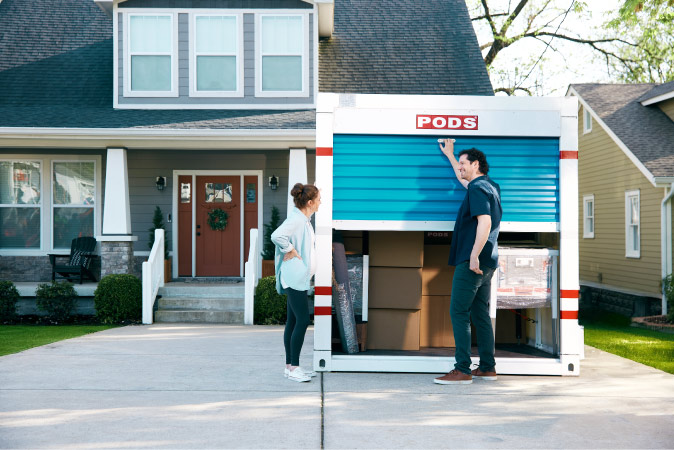
Once you’ve weighed the pros and cons of living in Wisconsin, reach out to PODS for a free moving quote.
Moving to Wisconsin With PODS
Make your move to Wisconsin flexible with PODS portable moving containers. A container will be delivered right to your driveway, where you can load your belongings on your own schedule. Need help with the heavy lifting? PODS can connect you to local packing and loading services. Once you’re ready, have your container picked up and delivered to your new Wisconsin home, or kept in a PODS Storage Center until you’re ready for it.
Visit PODS online for a free local moving quote or call 855-706-4758 for long-distance moving.
Editor’s note: For ease of reading, monthly rental prices were rounded to the nearest $25 and home values were rounded to the nearest $100.
*This article was written on behalf of PODS Enterprises, LLC (“PODS”). PODS does not warrant the completeness or accuracy of any information contained in this article and disclaims any liability for reliance upon the content herein.

Your quote in 60 seconds
Get pricing tailored to your needs!
Related Articles