Top 5 States With the Best Weather Year-Round: A Data-Driven Analysis
Moving Tips and Hacks
When it comes to the states with the best weather year-round, there’s no one-size-fits-all answer — and honestly, that’s kind of the point. For some, perfection is a mild four-season climate where the leaves change, but you’re not constantly snowed in. For others, it’s a warm year-round climate with a salty sea breeze. That’s why this guide skips the guesswork and digs into the data. We’ll move beyond opinions and analyze the best U.S. states for weather through moving trends and specific data points.
Top 5 States With the Best Weather
In order to find the ideal environment for you, each state on this list is evaluated by a few things — humidity index, sunlight frequency, precipitation levels, and any potential trade-offs. The following states with the best weather year-round are our top picks to consider.
| Q: What state has 70-degree weather year-round? A: While no state in the U.S. truly maintains 70-degree weather year-round, states like California offer the closest and most consistent mild climates. |
1. California
- Annual humidity: 59 percent
- Annual sunlight: 68 percent
- Annual precipitation: 23.5 inches
- Trade-offs: Drought cycles, high wildfire risk
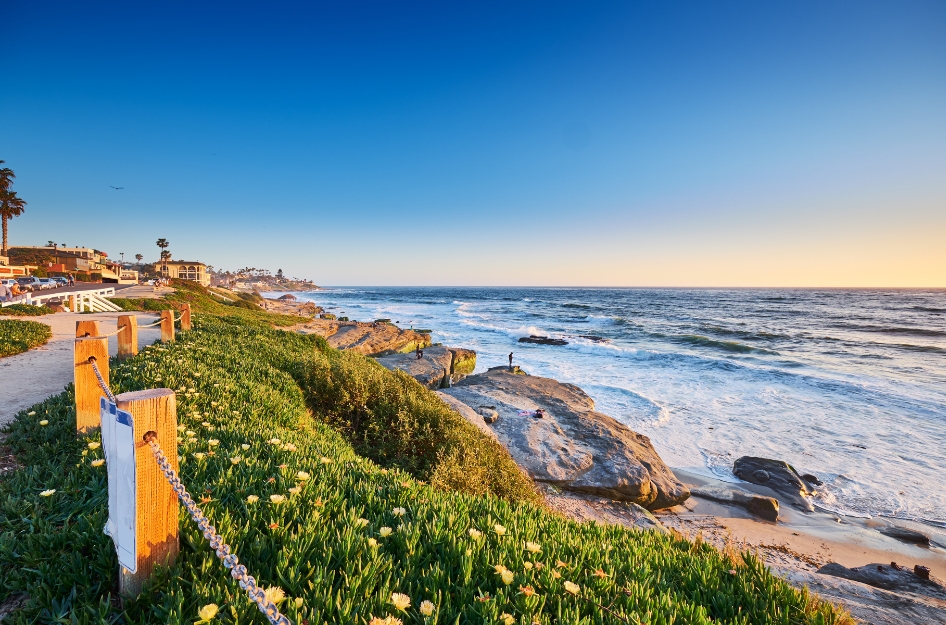
Living in California is often regarded as the crème de la crème among the top states with the best weather. Because of its unique topography and massive size. There are five major climate zones within the state, ranging from temperate forests in NoCal to scorching and arid deserts in SoCal.
Regions on the coast — specifically the central and southern coasts — offer the best temps year-round. As one of the coolest weather states in summer, the humidity and hot temperatures of the season are alleviated by that Pacific Ocean sea breeze, and winter weather feels like spring.
Coastal hubs, like San Diego, experience temperatures ranging from 50°F to 77°F year-round. Other areas, like Santa Barbara, follow a similar pattern, with temperatures that typically range from 42°F to 77°F.
Once you leave the coast and drive inland, though, temperatures can regularly soar into the 90s. Some of the hottest cities in California, measured by summer extremes, include Needles, Indio, and Palm Springs.
Lifestyle Draws of California
California’s lifestyle is defined by a deep integration of nature into daily life, a prominent wellness culture, and a diverse culinary scene with international influences. While the cost of living is high, most residents view this as a “weather tax” or “beach tax” that allows them to enjoy outdoor adventures year-round.
- Daily outdoor living: Residents can surf, hike on a mountain trail, and explore the desert all in one day.
- Wellness culture: California is a leader in global health trends, and primarily focuses on longevity science and mental fitness.
- Culinary innovation: From Cali-Baja fusions to a world-class farm-to-table scene, California has a diverse agricultural output.
| Q: Which state has the best year-round weather? A: California is often regarded as having the best year-round weather because of its mild climate, particularly in coastal areas. |

Residents in Arizona can enjoy an outdoor-centered lifestyle shaped by abundant sunshine and diverse desert landscapes.
2. Arizona
- Annual humidity: 40.4 percent
- Annual sunlight: 85 percent (No. 1 state with the most sunshine!)
- Annual precipitation: 12 inches
- Trade-offs: Intense summer heat, wildfires, flash flooding
Arizona is one of the warmest states in the U.S., with a high desert climate defined by aridity, lots of sunlight, and dramatic elevation changes. The southern deserts are hottest, while the northern plateaus are strikingly different — with cooler temperatures because of the mountains.
A large portion of Arizona’s population resides in the Sonoran Desert. When living in Phoenix, the hot season lasts from the end of May to the end of September, with an average daily high of nearly 100°F. July is the hottest month, with a low of 85°F and a high of 106°F. Although summer conditions can be unbearably hot, one advantage is the low humidity, allowing the weather to cool down drastically after sunset.
The flash flood season runs through mid-June to late September. It can be deadly, with an average of four flooding fatalities each year. Arizona also has a wildfire risk higher than 86 percent of other states in the U.S.
Northern Arizona provides a complete contrast to the arid southern deserts and is ideal for anyone seeking an escape from the extreme summer heat. The mountains make it perfect for those who enjoy winter activities like skiing and snowboarding. Areas like Flagstaff enjoy mild summers with average highs between 73 and 80°F, followed by cold and snowy winters with temperatures that drop into the teens.
Lifestyle Draws of Arizona
The outdoor-centered culture in Arizona is defined by a diverse geography and abundant sunlight. Residents can balance outdoor adventure with nature-based recovery.
- Desert healing movement: Arizona has emerged as a global hub for holistic relaxation, with open landscapes that allow for nervous system regulation practices, like sunrise meditation.
- Championship golf culture: Master-planned communities in Arizona are built around world-class courses, such as TPC Scottsdale.
- Abundant outdoor recreation: Arizona is often regarded as a hiker’s haven at locations like McDowell Sonoran Preserve, which offers over 200 miles of trails for hiking, running, and mountain biking.
3. North Carolina
- Annual humidity: 69.3 percent
- Annual sunlight: 60 percent
- Annual precipitation: 49.3 inches
- Trade-offs: Hurricanes, ice storms
As one of the best states for winter weather, North Carolina is the perfect destination for those looking to experience a four-season climate without worrying about extreme snowy conditions.
The majority of the state — including cities like Raleigh, Charlotte, and Wilmington — has a humid subtropical climate. In the Piedmont region of Raleigh, highs in the coldest month of January can reach over 50°F, while lows typically don’t fall under 30°F. Snowfall only averages about five inches annually, but ice storms can be devastating. July is the hottest month, with highs that climb up to 90°F.
While North Carolina experiences significant humidity, the coastal breeze in cities like Wilmington can provide some relief. Year-round temperatures in Wilmington are similar to those of the Piedmont region, with even less snowfall at just one inch annually.
Western cities like Asheville experience cooler temperatures ideal for those looking to get away from the heat and high humidity, but annual snowfall is higher at 13 inches.
The state of North Carolina as a whole experiences moderate rainfall, while the state’s coast is at major risk during hurricane season.
Lifestyle Draws of North Carolina
Along with the great outdoors, North Carolina is strongly regarded for its high quality of life, with great career and education opportunities.
- Diverse outdoor recreation opportunities: Residents can enjoy a day of diverse outdoor recreation from skiing in the mountains to enjoying the sunset at the beach in the evening.
- Career and education hub: Research Triangle Park (RTP) drives a high-tech lifestyle with top-notch healthcare systems such as Duke Health and UNC Health.
- Fall foliage sightings: The autumn lifestyle in North Carolina revolves around watching the leaves change on the Blue Ridge Parkway.
| Q: What states have the best 4 seasons? A: North Carolina is one of the best states to experience all four seasons. Think colorful falls, mild winters, blossoming springs, and warm summers — without the extreme heat. It’s a great balance, especially if you’re coming from more extreme climates like the Northeast or farther Southeast. |

While the cost of living might be high, Hawaii’s year-round pleasant climate makes it one of the best states for mild weather.
4. Hawaii
- Annual humidity: 70 percent
- Annual sunlight: 71 percent
- Annual precipitation: 30 inches
- Trade-offs: Hurricane risk, hazardous gases from volcanoes
As the only state in the U.S. located in the tropics, Hawaii is one of the best states for mild weather that offers a high level of climatic consistency. The state’s northeast trade winds are an integral part of the region’s climate, which help keep temperatures comfortable, blow away volcanic haze, and create winds that are ideal for surfing.
There are two main seasons recognized by native Hawaiians: Kau (May to October) and Ho’oilo (November to April). The sun is directly overhead in Kau with higher temperatures and more cooling winds, while the weather is cooler in Ho’oilo with more rain and less reliable winds.
Living in Honolulu means all the coastal draws, including tropical conditions year-round, with little temperature variation. The lowest temperatures typically sit around 65°F, with highs of 85°F in the summer months.
Rainfall throughout the state is highly localized, and Mount Wai’ale’ale on Kaua’i is considered one of the wettest spots on earth. Hawaii’s west coast is typically arid, with deserts that receive less than 10 inches of rain per year.
While the high cost of living is typically seen as the main trade-off of living in Hawaii, the state is also vulnerable to weather-related risks, including hurricanes and volcanic activity that produces hazardous gases, which can lead to harmful respiratory conditions.
Lifestyle Draws of Hawaii
The main lifestyle draws of Hawaii include the relaxed pace, cultural events, and strong emphasis on wellness and nature.
- Community-oriented living: Hawaiian cities like Hilo are known for their relaxed lifestyle, defined by local farmers’ markets and deep respect for indigenous traditions.
- Wellness and nature: Outdoor mindfulness is prioritized, with activities like floating yoga in Waikiki.
- Cultural integration: Hawaii offers a unique native culture, all its own, and moving to the state is a great opportunity to learn more about it and the people living there.
| Q: What state has the safest climate? A: Hawaii is frequently cited as having one of the safest climates that offers the least risk for major weather events. Hurricanes and even volcanic activity happen, but they aren’t a threat that residents spend a lot of time worrying about. |
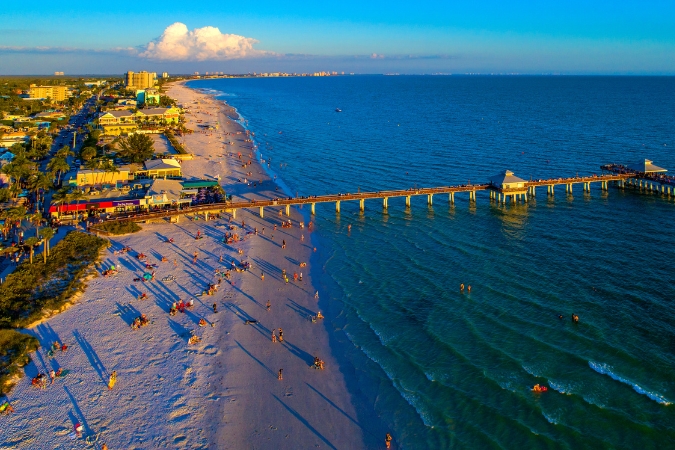
Florida’s climate easily makes it one of the best states for winter weather escapes — just ask the snowbirds who flock there each year.
5. Florida
- Annual humidity: 72.2 percent
- Annual sunlight: 66 percent
- Annual precipitation: 54 inches
- Trade-offs: Hurricane risk, high humidity
There are definitely pros and cons to living in Florida, but it’s by far one of the best states for winter weather (snowbirds are notorious for flocking here during the cold months). Defined by its peninsula shape and proximity to the equator, Florida is a top destination for those who prioritize warm winters and abundant sunshine, regardless of the season.
Florida’s climate varies from north to south, transitioning from humid subtropical to fully tropical as you drive down the coast. South Florida has the warmest weather in the U.S. throughout the year, with cities like Key West averaging lows of about 64°F in January and highs of 90°F during the summer. Even in North Florida cities like Pensacola, winter highs rarely stray below 60°F and summer temperatures consistently rise into the 90s. No matter where you settle, though, just know that humidity levels can push those real feel temps into triple digits during the summer months.
Florida’s wet season runs from late May into early October, and is defined by frequent afternoon thunderstorms that can feel intense when you first move to the state. But it won’t be long before you’re looking forward to the cooler temps they bring during the hottest times of year.
The main trade-off that comes with Florida’s status as one of the top states with best weather is hurricane season, running from June through November.
Lifestyle Draws of Florida
Florida’s lifestyle is built around new open-air luxury trends and technology-integrated wellness, with continued financial incentives that remain a major draw.
- Weather-responsive living: Home designs emerging in 2026 are structured for year-round comfort, with louvered pergolas and culinary spaces that adjust to the changing sunlight and rain.
- Constant beach access: No matter where you live in the state, you’re never more than a few hours from world-renowned beaches on the coast. Or the lakeside shores sprinkled throughout the state.
Financial advantages: Florida is one of only nine U.S. states with no state personal income tax. The state also doesn’t tax Social Security, pensions, IRAs, or 401(k) distributions.

Once you’re ready to move to one of the top states with the best weather, let PODS handle the heavy lifting.
Move to One of the Best U.S. States for Weather With PODS
Whether you crave the warm consistency of Florida or prefer the seasonal transitions of North Carolina, PODS can help you get wherever you want to go.
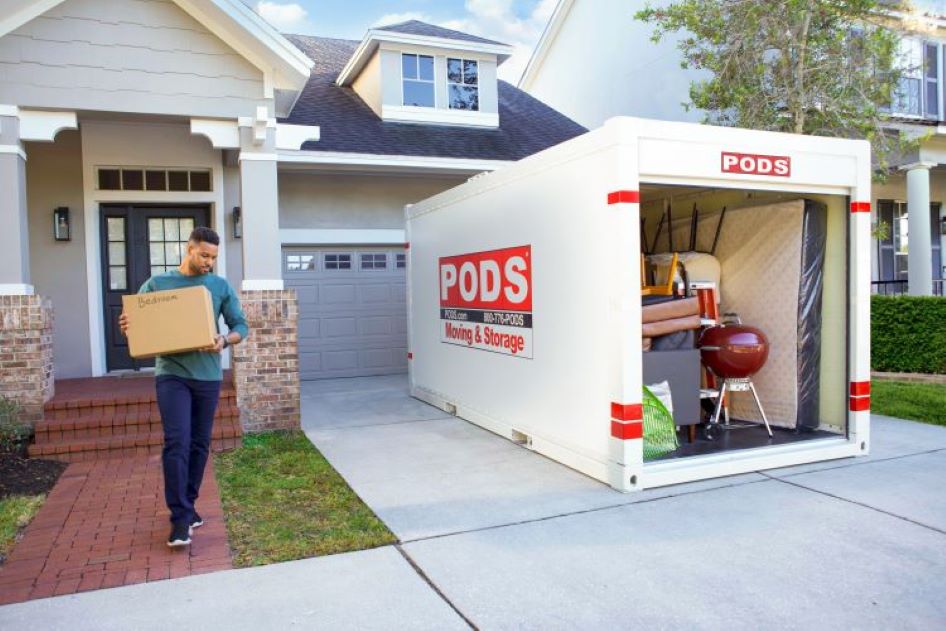
Make your move to one of the states with the best weather with the help of a PODS portable moving container. Have a container delivered right to your driveway, where you’ll be able to load it on your own schedule. Need help with the heavy lifting? PODS can also connect you with local packing and loading services. Your container will be picked up and delivered to your new home, or you can keep it in a secure PODS Storage Center until you’re ready for it.
Visit PODS online for a free local moving quote or call 877-350-7637 for long-distance moving.
*This article was written on behalf of PODS Enterprises, LLC (“PODS”). PODS does not warrant the completeness or accuracy of any information contained in this article and disclaims any liability for reliance upon the content herein.

Your quote in 60 seconds
Get pricing tailored to your needs!
Related Articles



What is a Moving Loan? Your Essential Guide to the What, When, Why, and How to Use a Loan for Your Next Move
Moving Tips and Hacks
Read more
Moving While Working Remotely? 5 Tips To Make It Easier & 5 Hotspots Remote Employees Are Moving to in 2026
Moving Tips and Hacks
Read more
Moving Out For the First Time Checklist: A Step-by-Step Guide To Leaving Home
Moving Tips and Hacks
Read more