The Ultimate Moving Day Checklist: Everything You Need
Moving Tips and Hacks
_Moving_Day_Checklist.jpg)
TL;DR: Checklist for Moving Day 1. Clear walkways and lay down floor protection before movers arrive. 2. Set aside a "no-pack" zone for essential documents, hardware, and your first-night box. 3. Brief movers on fragile items, the stay-list, and loading order. 4. Check all window/door locks, snap utility meter photos, and set the thermostat before locking up. 5. At the new place, protect the floors and direct movers to set up beds first. |
You’ve made it to the grand finale of your relocation journey: Moving day! After weeks of packing boxes and sorting through closets, the big day is finally here. And while you’ve done plenty of prep work, moving day is its own unique beast — one that requires a strategy to take down. To ensure a smooth transition, a dedicated moving day checklist comes in handy.
That’s where a dedicated moving day checklist comes in. It can help you prepare for the final 24-hour stretch by managing your time, protecting your belongings, and keeping the chaos to a minimum (because moving day will bring enough surprises on its own). By breaking the day into manageable phases, you can move from crisis mode to command mode — and focus on getting yourself, your stuff, and your sanity to the finish line.
1. Morning Prep: Setting the Stage
The first few hours of moving day dictate the rhythm for the rest of the afternoon. Before the first box hits the truck, you need to transform your home into a streamlined loading zone. The goal of this phase of your moving day checklist is to eliminate friction.
Set Yourself (and the Movers) Up for Success
Wake up a few hours before your scheduled start time to give yourself a quiet moment in the empty house — and make sure it’s ready for all the heavy lifting ahead. Focus on these prep steps:
- Clear the walkways: Start by making a clear path from the farthest room to the front door. Remove floor mats, doorstops, and any low-hanging wall decor that could snag on a passing sofa.
- Protect the assets: Lay down floor protection; high-traffic hallways should be lined with plastic sheets or specialized floor film to prevent scuffs and mud.
- Create a regeneration station: Set out water battles and quick-energy snacks for yourself and the crew.
The Final Walk Through
During a busy week, it’s common to leave items in places that feel invisible. Use this checklist for moving day sub-routine:
- Kitchen deep-sweep: Check the dishwasher, the warming drawer under the oven, and the top of the refrigerator.
- Storage nooks: Check the back corners of your pantry and under the stairs.
- Closet clearance: Run your hand along the top shelves and back corners of every closet to ensure there aren’t any stray hangers or boxes left behind.
By taking the morning to set yourself up for success, you can prevent your moving day checklist from turning into a list of emergencies once the heavy lifting begins.
2. Don’t Forget Your Essentials
One of the most common moving day mistakes is accidentally loading your car keys or the TV remote into the back of a 20-foot truck. To prevent this, your moving day checklist should include creating a “no-pack” zone and a first-night box.
Secure Critical Paperwork
Set aside an area — perhaps a bathroom or a high countertop in the kitchen. This is where your moving day essentials checklist items live. Focus on these categories:
- Identity & legal documents: Keep your passports, birth certificates, social security cards, and your new lease or closing papers here. Use a dedicated expanding file folder for easy transport.
- The moving binder: This should contain your moving contract, the inventory list, and any receipts you might need for tax purposes.
- Immediate hardware: As you take down the last of your beds or shelving units, place all screws, wrenches, and brackets into labeled Ziploc bags. You can place them in a dedicated box or even use painter’s tape to secure them to the furniture. It’s just important to store them so they aren’t buried in a random miscellaneous box.
Personal Survival Items
The “no-pack” zone and your first-night box are for your immediate needs. This includes things like daily medications, phone chargers, bedding, and even the essentials you’ll need in your bathroom and kitchen.
_Moving_Day_Checklist.jpg)
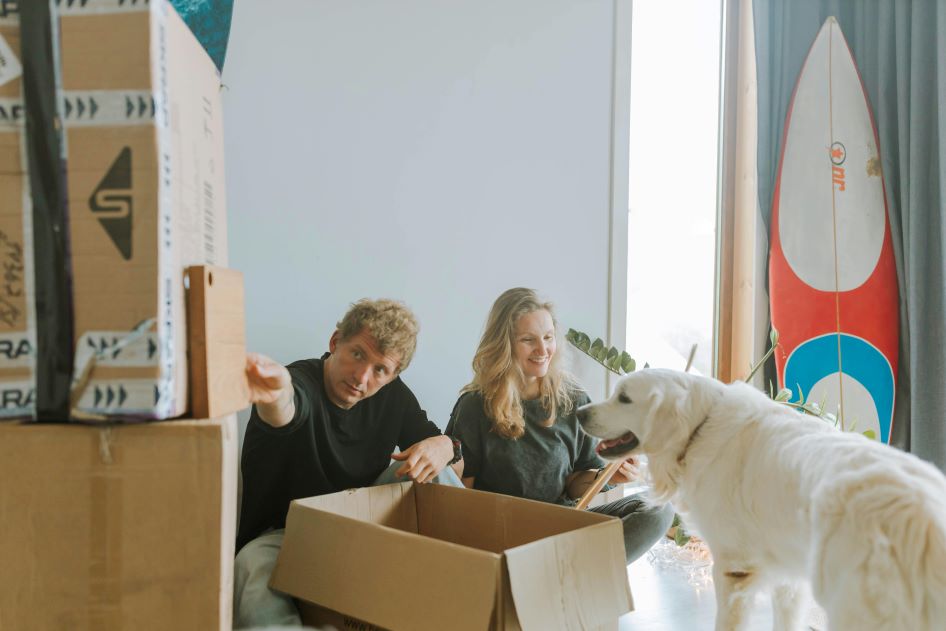
When you hire professional moving help, your role on moving day is to oversee logistics and ensure the safety of your belongings.
3. Managing the Professionals (or Your Helpers)
Whether you’ve hired a professional moving crew or recruited a group of friends with the promise of pizza, your role on moving day is to oversee logistics and ensure the safety of your belongings.
The Initial Briefing
When the crew arrives, don’t just point at the pile of boxes. Take a brief moment to lead a guided tour of the home to prevent mid-move confusion.
- Identify fragile items: Explicitly point out items like glass-front cabinets, heirlooms, or expensive electronics.
- The stay list: Point out the “no-pack” zone you created earlier so no one accidentally hauls those items onto the truck.
- Loading order: If you have items you need to access immediately at the new house, ask the movers to load those last so they’re the first off the truck.
Handling Logistics and Etiquette
Managing a crew means maintaining morale and handling the paperwork. Keep a copy of your contract handy at all times, plus any other important paperwork. And don’t forget these quick tips:
- Tipping etiquette: While not mandatory, it’s standard to tip a moving crew between 10 and 20 percent of the total bill for a job well done.
- Damage control: If you spot a scratch or broken item during the move, document it immediately. Take a photo and notify the crew lead.
- Accessibility: Ensure the crew has access to a bathroom stocked with soap and paper towels.
4. The Final Home Lockdown
Before you hand over the keys and drive away, you must conduct a final lockdown of your old residence. This phase of the checklist for moving day is about more than just closing a door; it’s about liability protection and cost savings. Neglecting this step can result in unexpected utility bills or security risks.
Do a Quick Home and Utility Check
Take one last lap through the house with a flashlight handy. You’re not just looking for a stray box hiding in a closet — you’re also checking that everything is in good shape and ready for moving day.
- The utility audit: Make sure the thermostat is set to an energy-efficient mode. Keep your thermostat between 50 and 60°F in the winter to protect your home from freezing temperatures, and in the summer, keep your thermostat between 80 and 85°F to keep humidity at bay.
- Leak detection: Check every faucet. A small drip can lead to a massive bill while the house stays empty.
- Light check: Turn off every switch, including the attic, basement, and garage lights, to ensure there’s no wasted electricity.
Security and Evidence Collection
The final moments in your old home should include a quick documentation sweep. This provides peace of mind in case any disputes arise regarding the property’s condition.
- Windows and doors: Physically touch every window lock. It’s easy to overlook a second-story window that was cracked for ventilation.
- Snap meter photos: Take clear photos of your water, gas, and electric meters before you go. They’ll come in handy if there are any questions about your final utility bills later.
- Give appliances one last look: Make sure the oven is off, then check the refrigerator. If it’s still plugged in, close the door tightly. If it’s unplugged, prop the door open to help prevent unwanted mold.

A moving day checklist for couples turns a hectic move into a shared, more streamlined endeavor.
5. Moving Day Checklist for Couples: Divide and Conquer
Moving can be one of life’s most stressful events, and for couples, the pressure can sometimes lead to unnecessary friction. A specialized moving day checklist for couples takes a divide-and-conquer approach and can help keep the peace on moving day.
Establish Your Domains
Before you start things off on the morning of moving day, decide who will take point in which area. This role clarity allows you to move with the precision of a high-performance team.
- The inside lead: One partner will stay inside the home to direct movers, manage the inventory list, and perform the final cleaning of each room as it’s emptied.
- The external lead: The other partner will manage the logistics outside. This includes guiding the truck into the driveway, handling pet or child transport, and running any last-minute errands.
Maintain Communication and Morale
Keep the lines of communication open and use these tactics to stay synchronized:
- Safety spotting: If you’re lifting heavy items or navigating tight corners on your own, act as each other’s eyes. A simple “watch the doorframe” can save a piece of furniture and a lot of frustration.
- Positive reinforcement: Acknowledge the small wins. Getting the master bedroom loaded is a task worth celebrating with a quick high-five.
By using this moving day checklist for couples, you can transform a potentially chaotic day into a shared achievement. You aren’t just moving boxes; you’re building the foundation for your life in a new home together!
6. The Arrival: Taking Control of the New Space
The drive from your old home to your new one offers a quick breather before unloading begins. Once you pull into the driveway, the goal is simple: Get your belongings into the right rooms so you’re not surrounded by a mountain of mystery boxes — or hunting for somewhere to sleep at the end of a long day.
Secure the Perimeter and Prep the Floors
Before the first box is brought inside, enter the home alone to perform a quick safety and readiness check.
- Utility check: Check that the electricity and water are turned on.
- Protect walkways: Just like you did with the old house, lay down floor protection so the floors don’t get scuffed while you’re moving your belongings in.
- The bathroom setup: Stock one bathroom with toilet paper, soap, and paper towels for your movers and your family to use.
Orchestrate the Unload
As the truck opens, your job is to act as a human GPS for the moving crew:
- Label rooms: Tape signs to the doors of the new rooms that match the labels on your boxes.
- Beds in first: Direct the movers to set up the bed frames and mattresses first. You will be exhausted by the end of the day, and being able to fall into a made bed is the ultimate luxury.
- Appliance check: If you move major appliances, like a washing machine or refrigerator, ensure they’re placed and leveled before the professionals leave.
By staying on track during the arrival phase, you ensure the checklist for moving day concludes with a functional home. You aren’t trying to unpack everything today; you’re simply setting the stage.
Moving Day Checklist — FAQs
Q: What is a moving day checklist?
A: A moving day checklist is a step-by-step guide specifically for the final 24 hours of your move.
Q: What should you do on moving day?
A: Your primary goal on moving day is to manage the flow of traffic, keep everyone and everything safe, and ensure nothing is left behind.
Q: What are essential items for moving day?
A: Essential items for moving day include personal items (like a moving binder and cash for tipping), basic tools (including box cutters, screwdrivers, and a hammer), toilet paper, hand soap, first aid, water, high-energy snacks, and pet essentials (such as bowls and food). Some extra moving tape and a permanent marker for any last-minute boxes are great to keep on hand as well.
Q: What is a kitchen moving day checklist?
A: A kitchen moving day checklist focuses on the hardest room to pack because it contains the most fragile and heavy items.
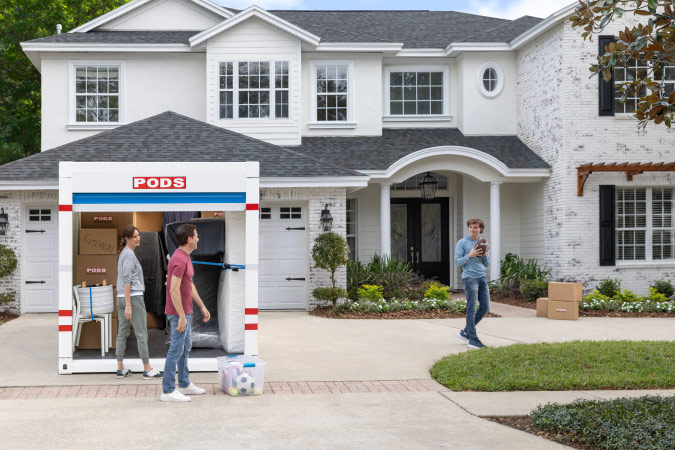
With the help of a moving day checklist and a PODS portable moving container, you can make your move both flexible and streamlined.
Moving to Your Brand New Home With PODS
Before you even get to moving day, set yourself up for success with the flexibility of PODS portable moving containers. A container will be delivered right to your driveway, where you can load it on your own schedule. Need help with the heavy lifting? PODS can connect you with local packing and loading services. Once moving day arrives, have your container picked up and delivered right to your new home, or kept in a PODS Storage Center until you’re ready for it.
Visit PODS online for a free local moving quote or call 877-350-7637 for long-distance moving.
*This article was written on behalf of PODS Enterprises, LLC (“PODS”). PODS does not warrant the completeness or accuracy of any information contained in this article and disclaims any liability for reliance upon the content herein.

Your quote in 60 seconds
Get pricing tailored to your needs!
Related Articles


What is a Moving Loan? Your Essential Guide to the What, When, Why, and How to Use a Loan for Your Next Move
Moving Tips and Hacks
Read more
Moving While Working Remotely? 5 Tips To Make It Easier & 5 Hotspots Remote Employees Are Moving to in 2026
Moving Tips and Hacks
Read more
Moving Out For the First Time Checklist: A Step-by-Step Guide To Leaving Home
Moving Tips and Hacks
Read more