10 Things to Know About Living in Fort Myers, Florida Before You Move
Florida
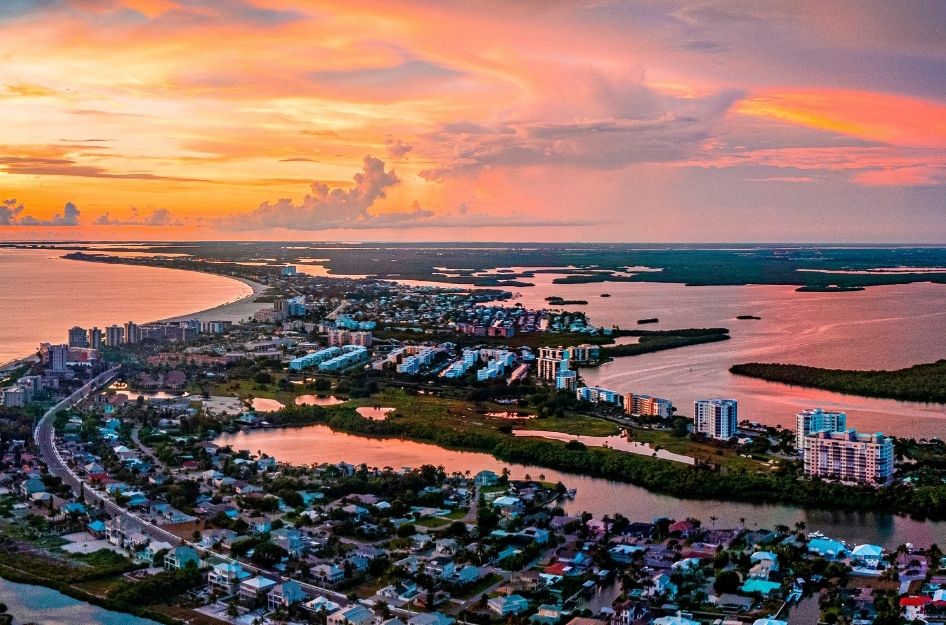
TL;DR: Living in Fort Myers, Florida
|
If palm trees, warm winters, and a slowed-down life on the Gulf Coast sound appealing, living in Fort Myers, Florida, might just be the ideal fit. With year-round shelling opportunities and spring training for baseball fans, the City of Palms is nothing to scoff at. Plus, you’re about two hours from everything Tampa Bay has to offer. This Florida city isn’t all sunshine and flip-flops, though. And there are definitely some things to know about before you decide to move here (hello, humidity and hurricane season). Here are 10 of the most important things you should know before you decide to move to Fort Myers.
| Planning a move to Fort Myers? Start by getting a free moving quote from PODS. |
Fort Myers at a Glance
- Population: Fort Myers has a population of over 101,000.
- Median age: The median age in Fort Myers is 41.3 years.
- City size: Fort Myers’ total area is 40 square miles.
- Location: Located in Lee County, Fort Myers sits along the Caloosahatchee River in Southwest Florida.
- Fun fact: Fort Myers’ beaches have more shell varieties than anywhere else in the U.S.
10 Things To Know About Living in Fort Myers, Florida
Moving to Fort Myers — especially if you’re coming from up north — means trading snow shovels for sunscreen, but there’s more to the decision than just escaping the cold weather. Budget, neighborhood preferences, and even amenities all play a role in whether the city feels like home. The following list breaks down the biggest factors to consider, from cost of living to housing, transportation, jobs, recreation, and what you can expect from the local climate.
1. The Cost of Living in Fort Myers Is Manageable, but May Require Budgeting
The cost of living in Fort Myers, Florida, may not be among Florida’s most affordable, but it remains fairly manageable compared with some other popular destinations in the state. Fort Myers has a cost of living score of 104.2, which is higher than both the national average index of 100 and slightly higher than Florida’s score of 103.1.
What do you need to make to live here? According to MIT’s Living Wage Calculator, a family of four (two working adults) should make $88,200 annually before taxes to cover basic living costs, while a couple without children should bring in closer to $68,200. A single person should make at least $52,500 annually before taxes.
If you want to live more comfortably while following the popular 50/30/20 budgeting rule — setting aside 50 percent of your income for needs, 30 percent for wants, and 20 percent for savings and debt repayment — you'd want to aim for roughly twice those amounts. That works out to about $176,400 annually before taxes for a family of four, $136,400 for a couple without children, and $105,000 for a single person.

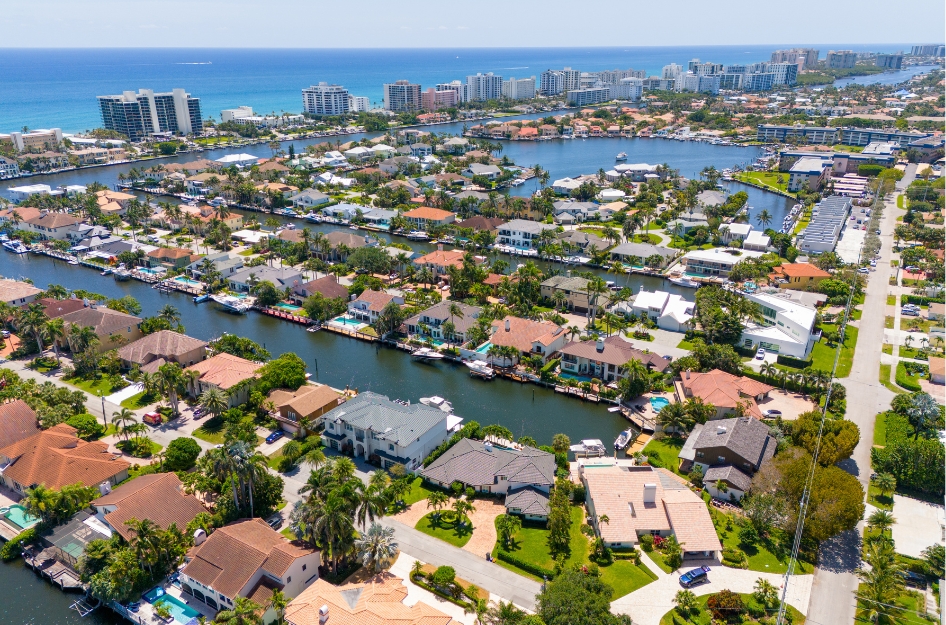
If you’re weighing the pros and cons of living in Fort Myers, Florida, consider how easy it is for residents to enjoy the beach.
2. The Pros and Cons of Living in Fort Myers, Florida, Depend on Your Priorities
Here are a few of the biggest pros and cons to consider when deciding to move to the city.
Pros of Living in Fort Myers, Florida
- Warm winters and plenty of outdoor recreation
- No individual state income tax
- Beaches, parks, boating, and fishing are close by
- Growing healthcare, tourism, construction, and service industries
Cons of Living in Fort Myers, Florida
- Hot, humid summers
- Hurricane and flood risk
- Car-dependent lifestyle
- Homeowners insurance can be a significant expense
3. Fort Myers’ Housing Market Offers Various Choices
Fort Myers has a mix of single-family homes, condos, townhomes, apartments, and newer planned communities. The city’s average home value is right around $307,700, while the average rent for a one-bedroom apartment is $1,550.
Prices vary considerably by neighborhood, and buyers will find everything from older condos to newer homes farther inland. Moving from another state? Compare mortgage and insurance costs and property tax alongside the purchase price rather than looking only at the listing.
4. Fort Myers Has Neighborhoods for Different Lifestyles
Fort Myers has a strong variety of charming neighborhoods to choose from — but finding the best place to live will ultimately depend on your living situation and your wishlist. Here are a few standout options, though:
- McGregor: Great for families, McGregor has an A overall from Niche and strong marks for jobs, health, and outdoor activities.
- Estero: Singles and young professionals seeking a balance of suburban living, modern convenience, and high-end shopping will easily fall in love with the thriving Estero neighborhood.
- Sanibel: Looking for privacy and a waterfront home? Retirees love Sanibel.
5. Crime Can Vary Significantly by Neighborhood
Citywide crime statistics can give you a general picture, but they shouldn’t be the only thing you consider when choosing a Fort Myers address. NeighborhoodScout reports that Fort Myers has higher crime rates than similarly-sized communities nationwide, with property crime accounting for a large share of reported incidents.
You should always research the specific neighborhood and address you’re considering. While the overall crime rates of Fort Myers may seem alarming, you can find plenty of safe neighborhoods throughout the city, including:
- Pelican Preserve
- Bridgetown
- Arborwood
6. Fort Myers Has More To Offer Than Hitting the Beach
Of course, the beaches are a major attraction, but living in Fort Myers, Florida, gives you plenty of ways to enjoy a fun weekend without getting sandy and fighting for parking:
- The Edison and Ford Winter Estates: Founded by Thomas Edison in the winter of 1885, this location combines history, gardens, and museum exhibits along the Caloosahatchee River.
- Six Mile Cypress Slough Preserve: Walk the boardwalk and catch a glimpse of the local wildlife, including alligators, otters, and bears. You can also check out the amphitheater and educational displays.
- Downtown’s River District: Enjoy the eclectic energy of downtown Fort Myers and grab a bite to eat, go shopping, or immerse yourself in the nightlife scene.
7. Healthcare and Construction Help Drive Fort Myers’ Economy
Unlike some other Florida cities, Fort Myers' economy is broader than tourism and retirement, with healthcare, hospitality, and construction as top industries. The Cape Coral-Fort Myers metro area has a moderate unemployment rate of 5.1 percent.
Healthcare is particularly important across Lee County, as Lee Health is the largest employer in the Southwest Florida region. Tourism is another major piece of the puzzle, supporting more than 31,000 jobs in 2025.

Living in Fort Myers, Florida, means you’ll probably need a car to get around.
8. You’ll Probably Need a Car as a Fort Myers Resident
All in all, Fort Myers is a driving city. While downtown’s River District is easy to explore on foot, with a walk score of 79, the rest of the city’s walk score is just 52. So, most residents will rely on a car for commuting, grocery runs, shopping, and trips to nearby beaches and communities. Someone relocating from another part of Florida may not notice the adjustment, but an out-of-state mover from a city like New York or Chicago certainly will.
The city does offer transit, though. The LeeTran operates 22 bus and trolley routes and can be ideal for those who live close to the city, but the coverage is pretty limited for residents in outlying suburbs.
9. Fort Myers, Florida, Weather Is Fantastic … but Things Heat up Once Summer Arrives
Fort Myers, Florida, weather is a huge selling point for people tired of the snow and freezing northern temperatures. Winters are generally warm and comfortable, but things start warming up once spring hits. Summer is the hottest season — high heat, heavy humidity, thunderstorms, and plenty of days in the 90s (with feels-like temps hovering in the triple digits). Plus, from June to November, hurricane season is part of life.
Flooding also deserves special attention. Lee County provides flood zone information and resources for property owners, while FEMA’s flood maps identify areas with different levels of flood hazard. Before buying a home, check the property’s flood zone, elevation, previous flood history, and insurance requirements.
10. Fort Myers Offers an Appealing Retirement Lifestyle
Fort Myers has long been popular for retirees. From the warm winters and golfing to boating and waterfront restaurants, it’s no surprise that so many people make their way to Southwest Florida to enjoy their golden years.
If you’re looking for a fulfilling retirement, check out Fort Myers retirement communities, like Shell Point Retirement Community, a 700-acre waterfront facility with independent living, assisted living, memory care, and skilled nursing. Another contender, Del Webb Oak Creek, a 55+ active adult community designed around resort-style amenities.
Living in Fort Myers, Florida — FAQs
Q: Is Fort Myers a good place to live in Florida?
A: For many people, yes! Fort Myers combines warm winters, outdoor recreation, a range of housing options, and access to beaches with a more relaxed pace than larger Florida cities. The biggest drawbacks are summer heat, hurricane and flood risk, insurance costs, and the need for a car.
Q: How much do you need to make to live comfortably in Fort Myers, Florida?
A: There's no single salary that guarantees a comfortable lifestyle because housing, transportation, family size, and personal spending vary. MIT's Living Wage Calculator estimates that a family of four (two working adults) should make $88,200 annually before taxes to cover basic living costs, while a couple without children should bring in closer to $68,200. A single person should make at least $52,500 annually before taxes.
Q: What is the 50 rule in Fort Myers Beach?
A: The “50% rule” generally applies to substantial improvements or repairs to structures in flood-prone areas. If the cost of improvements reaches 50 percent or more of a structure's market value, additional floodplain requirements can apply.
Q: What are winters like in Fort Myers, Florida?
A: Winters are generally warm, relatively dry, and far removed from the freezing temperatures found farther north. That's one of the biggest reasons seasonal residents and retirees flock to Fort Myers, Florida.
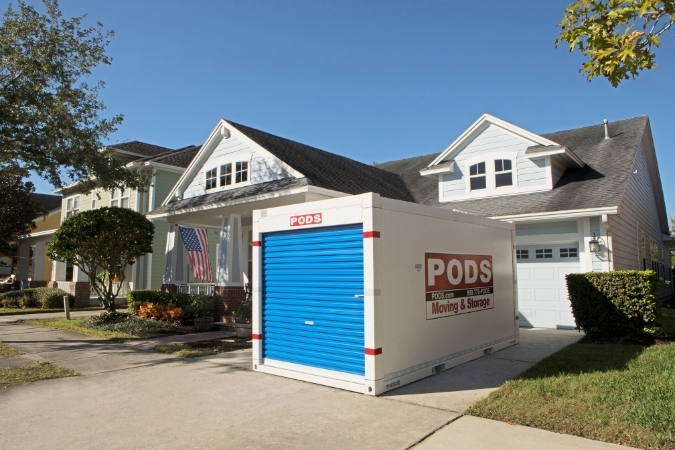
Ready to start living in Fort Myers, Florida? Make your move flexible with a PODS portable moving container.
Make Your Move to Fort Myers Flexible With PODS
Make your move to Fort Myers flexible with PODS portable moving containers. Have a container delivered right to your driveway, where you can load at your own pace. Need help with the heavy lifting? PODS can connect you with local packing and loading assistance. When you’re ready, have the container picked up and delivered to your new Fort Myers home, or to a secure PODS Storage Center until you’re ready for them.
Visit PODS online for a free local moving quote or call 877-350-7637 for long-distance moving.
Editor’s note: For ease of reading, monthly rental prices were rounded to the nearest $25 and home values were rounded to the nearest $100. Home values in the millions were rounded to the nearest $100,000.
*This article was written on behalf of PODS Enterprises, LLC (“PODS”). PODS does not warrant the completeness or accuracy of any information contained in this article and disclaims any liability for reliance upon the content herein.

Your quote in 60 seconds
Get pricing tailored to your needs!
Related Articles
Retiring in Florida: The Pros and Cons of Calling the Sunshine State Your New Home
RetirementFlorida
Read more