
Living in Baltimore: 14 Things to Know Before Calling Charm City Home
MarylandBaltimore

TL;DR: Living in Baltimore
|
Got living in Baltimore on the brain? If you're considering a move, you're probably wondering, "Is Baltimore safe?" And what about housing prices, schools, and things to do? Also known as Charm City, Baltimore has a small-town vibe wrapped in big-city amenities, from craft breweries and museums to waterfront restaurants and professional sports. It's a popular home base for DC commuters, young professionals, and anyone looking for an East Coast city with character. Here's what you should know before calling Baltimore home.
| Planning a move to Baltimore? Start by getting a free moving quote from PODS. |
Baltimore at a Glance
Before diving into the details of living in Baltimore, here's a quick look at Charm City:
- Location: Near the Chesapeake Bay, about an hour north of Washington, DC, depending on traffic.
- Population: Almost 570,000 residents
- Median age: 36.2 years
- History: Founded in 1729, Baltimore is known for its maritime heritage and historic architecture.
- Size: Approximately 81 square miles of land, with neighborhoods ranging from bustling waterfront districts to quieter residential communities.
Pros and Cons of Living in Baltimore
What are the pros and cons of living in Baltimore? Before we dive into the top 14 things you should know, here’s a high-level look at Baltimore life.
Pros of Living in Baltimore
- Housing can be considerably more affordable than in nearby Washington, DC.
- Buyers can choose from gorgeous Federal, Greek Revival, and Italianate homes.
- Renters are in good company: More than half of occupied households rent.
- Transportation options include buses, light rail, the subway, regional trains, and harbor boat services.
- Locals call it “Smalltimore” because it can have a small-town feel.
Healthcare and education institutions, including Johns Hopkins and the University of Maryland, anchor the local employment landscape.
Cons of Living in Baltimore
- Summers tend to be humid, and winters can be cold and wet.
- Crime remains a concern, with conditions varying by location.
- Public school performance varies, so families should research individual schools.
- Older homes can come with substantial maintenance needs, and a low purchase price doesn’t necessarily mean low ownership costs.
Is Baltimore a good place to live? If you’re looking for an East Coast city with history, neighborhood personality, and relatively accessible housing, there’s plenty to like. Just match your neighborhood to your budget, commute, and daily routine.

Overall, the cost of living in Baltimore is just one percent above the national average, with groceries costing four percent more and housing costing 12 percent less.
1. The Cost of Living in Baltimore Is Cheaper Than You Might Think
Groceries in Baltimore cost four percent more than the national average and utilities are 18 percent higher. However, housing — arguably one of life’s bigger expenses — is a full 12 percent lower, which is surprising for an East Coast city. These expenses balance out, making the overall cost of living in Baltimore just one percent higher than the national average. All of this to say that moving to Baltimore could mean a higher quality of life at a lower cost. Just keep in mind that your personal cost of living will depend on household size and lifestyle.
- According to the MIT Living Wage Calculator, a single adult without children needs $43,733 annually before taxes to cover basic living expenses in Baltimore City. A couple without children, both working, needs $60,478 combined, while a family with two working adults and two children needs $112,100 combined.
- According to RentCafe, one-bedroom apartments average about 697 square feet and $1,600 per month. Across all apartment sizes, average rent is $1,675 per month.
- Other daily and monthly expenses, like utilities and transportation, also affect the cost of living in Baltimore. Factor in heating and cooling bills, your commute, and parking costs when comparing neighborhoods.
2. You Can Get a Steal of a Deal on a Historic Home in Baltimore
Only about 48 percent of Baltimore’s occupied housing units are owner-occupied. For buyers, the city still offers comparatively accessible prices: The city’s average home value is $184,800.
Love historic homes? You’ve got your pick here! Baltimore’s trademark row houses include Federal, Greek Revival, and Italianate styles, abundant in color and character.
Before falling for original woodwork and marble steps, check the roof, plumbing, electrical system, and renovation history. Historic-district requirements may also affect exterior work. A bargain that needs major repairs can end up costing more in the long run.
3. Over Half of Baltimore Residents Are Renters
About 52 percent of households living in Baltimore rent their homes. Since this is a historic city with newer developments, you can choose from unique row houses, converted buildings, and luxury apartments.
Prices vary considerably by neighborhood, size, and amenities. Compare the full monthly cost, including parking, utilities, pet fees, and any required insurance. And visit the actual block before signing, as a listing’s neighborhood label only tells you so much.
4. The Top 3 Best Neighborhoods to Live in Baltimore Range From Quirky to Classy
Living in Baltimore means choosing between neighborhoods with very different personalities. These three original favorites offer a good starting point.
Federal Hill
This charming harborside neighborhood is popular with recent grads and visitors alike, mostly because it’s accessible to so many city favorites: Great Inner Harbor views, beautiful brick row houses, restaurants, locally owned shops, and entertainment.
Downtown is close by, but travel time depends on traffic and your route. Harbor boat services can add a scenic alternative, but check current routes and seasonal schedules before counting on one for your commute.
Hampden
This quirky neighborhood is just a handful of miles from Downtown Baltimore — but light years away when it comes to style. You’ll recognize its personality in the colorful row houses and undeniably trendy vibe.
Want great eats, excellent vintage shops, and relaxed but bustling energy? You’ll find that here, especially around the Avenue on West 36th Street.
Mount Vernon
This historic neighborhood shows off another slice of Baltimore through grand mansions, townhouses, and impressive architecture. In the Mount Vernon historic district, beauty meets brains.
Restaurants and cultural institutions, including the Baltimore Symphony Orchestra, Enoch Pratt Free Library, and Maryland Center for History and Culture, make this area just north of downtown a strong draw for arts and history lovers.
Other Baltimore Neighborhoods Worth Considering
- Canton
- Fells Point
- Harbor East
- Remington
- Little Italy
Still looking around? Explore more Baltimore neighborhoods and suburbs.
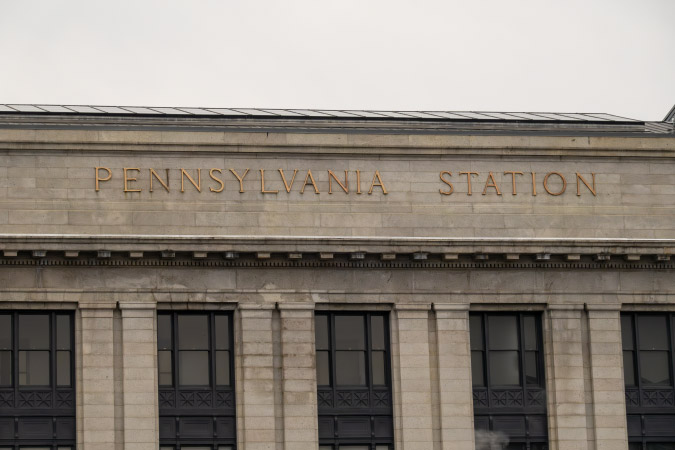
Living in Baltimore without a car is doable thanks to the city’s light rail, buses, subway, and commuter trains.
5. You Don’t Have to Rely Solely on a Car to Get Around Baltimore
Thinking of moving but don’t have a car, or don’t want to need one? It’s possible to live car-free in parts of the city, especially when home, work, and groceries line up with transit.
Options include local buses, Metro SubwayLink, Light RailLink, and MARC trains. There are also Baltimore/Washington International Airport (BWI) transit connections, rideshares, and taxis.
Test your actual commute before committing. A Washington, DC, trip involves getting to the station, waiting, and reaching your final destination, not just time aboard the train.
6. You Can Look Forward to Steamy Summers and Wet Winters
When it comes to Baltimore weather, expect hot summer days that can approach 100°F, warm nights, and plenty of humidity. Winters bring rain, occasional snow and ice, and temperatures that can drop below 20°F.
April to May and September to early October are often comfortable times to enjoy outdoor activities without melting like a candle or bundling up for winter.
Recent weather shows why you’ll want both a winter coat and reliable air conditioning. The National Weather Service recorded a mean temperature of 30.5°F at BWI in January 2026. In June 2026, the average daily high reached 85.7°F, with 10 days hitting at least 90°F. These observations from individual months give you a taste of Baltimore’s seasonal swings.
7. It’s One of the United States’ 41 Independent Cities
Don’t confuse Baltimore the city with Baltimore the county. Baltimore City is an independent city, meaning it doesn’t belong to a county. Of the country’s 41 independent cities, 38 are in Virginia.
You might not notice the distinction while exploring, but it matters when researching taxes, public services, and schools. A “Baltimore” mailing address doesn’t automatically mean a property is within city limits.
8. Locals Often Refer to It as “Smalltimore”
If you want to live in a city without sacrificing the small-town benefit of knowing your neighbors, or your waitress or sales clerk or car dealer, this just might be your place.
Baltimore is a big city that can feel small, a draw for some and a disadvantage for others. Locals jokingly call it “Smalltimore” because it can seem like everyone knows everyone.
The nickname also reflects a tight-knit social scene where people have their favorite places and familiar crowds. That can feel daunting until you find your crew, but returning to a neighborhood café, volunteering, or joining a local group gives those familiar faces a chance to become friends.
9. Baltimore’s Crime Rates Can Fall on the High Side, With Conditions Varying by Neighborhood
Is Baltimore safe? The answer depends on the location, type of crime, and time period. Is Baltimore dangerous? Serious violence remains a concern, but an old citywide ranking won’t tell you what daily life looks like on a particular block.
The recent update of the city reported 83 homicides, compared with 98 at the same point in 2025, a decline of 15 percent. Progress matters, but so does researching your actual address.
Inner Harbor, Mount Vernon, Federal Hill, and Fells Point remain popular places to explore; popularity doesn’t make them crime-free. Use current police data alongside the guide to the safest neighborhoods in Baltimore, visit at different times, and consider the routes you’ll regularly walk.

Baltimore is known for blue crabs associated with the Chesapeake Bay — steamed, dusted with seasoning, and dumped on the table to be devoured.
10. Everyone’s Obsessed With Crabs
OK, OK, it’s probably more accurate to say Baltimore is full of crabs — delicious, succulent, famously feastable crabs.
The city is known for blue crabs associated with the Chesapeake Bay — steamed, dusted with seasoning, and dumped on the table to be devoured. Just don’t assume every crab served locally was caught locally; restaurants may source from other regions as availability changes.
For a less messy meal, try crab dip or crab cakes. Either way, a stop at Locust Point Steamers or Captain James Seafood Palace belongs on a seafood lover’s list.
11. They Have a Pro Sports Team Named After a Poem — and the Team’s Really Good
Besides eating delicious crabs, another favorite Baltimore pastime is rooting for the home teams. The NFL’s Ravens take their name from Edgar Allan Poe’s “The Raven.” Their mascot tradition has included Edgar, Allan, and — you know where we’re going with this — Poe.
Baseball is huge here, too, with the Orioles lovingly referred to as the O’s.
Ravens
Baltimore regained NFL football in 1996 after Cleveland’s football operation relocated, years after the Colts left for Indianapolis. The Ravens’ history includes two Super Bowl championships, following the 2000 and 2012 seasons, and a reputation for competitive football.
Colts who? Living in Baltimore is all Ravens for plenty of fans. Quarterback Lamar Jackson’s five-year extension, signed in 2023, became another major chapter in the franchise’s story.
Orioles
You’ve gotta be in it for better or for worse. The O’s have given fans championship celebrations and rebuilding seasons. Whatever the standings, Camden Yards remains a beloved gathering place for Baltimore baseball fans.
12. You’ll Have to Choose Your Schools Wisely
Schools deserve a close look before you choose a home. Niche gives Baltimore’s public schools an overall C grade, but that broad rating doesn’t describe every classroom.
The original school list remains useful as a research starting point:
- The Bryn Mawr School*
- Gilman School* — Pre-K–12
- McDonogh School* — Pre-K–12; located in Owings Mills, outside Baltimore City
- Baltimore Polytechnic Institute — grades 9–12; public
- Friends School of Baltimore* — Pre-K–12
- Roland Park Country School*
- The Boys’ Latin School of Maryland* — K–12
*Denotes private school.
Compare programs, admissions requirements, tuition or financial aid, and transportation. For public options, verify enrollment and school-choice procedures with Baltimore City Public Schools.
Already set on moving to Baltimore? Compare both local and cross-country moving costs before building your relocation budget.
13. The City Is a Favorite of Famous Folks
Baltimore has had its fair share of famous residents, spanning composers, filmmakers, actors, and civil rights leaders. Edgar Allan Poe is one particularly celebrated former resident.
Other noteworthy names with Baltimore roots or time spent in the city include:
- Philip Glass, composer
- John Waters, filmmaker
- Billie Holiday, singer
- David Hasselhoff, actor
- Thurgood Marshall, the first Black U.S. Supreme Court justice
- Parker Posey, actress
- Jada Pinkett Smith, actress
- Frank Zappa, musician
- Frederick Douglass, abolitionist and writer
Francis Scott Key also has an important Baltimore connection: The Battle of Baltimore inspired the poem that became “The Star-Spangled Banner.” The Washington lawyer witnessed the bombardment of Fort McHenry in 1814.
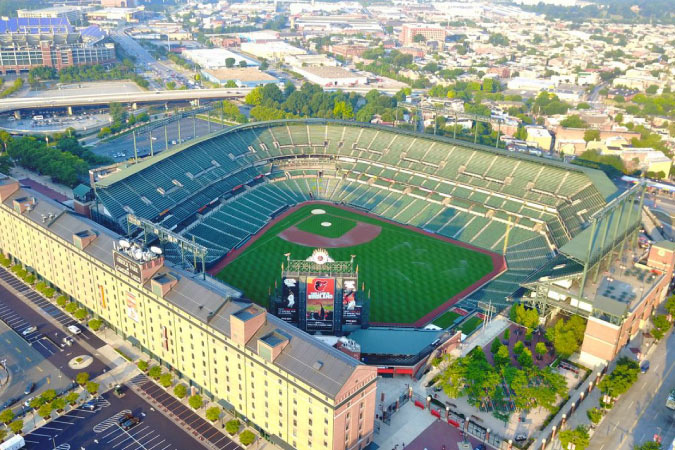
Baseball fans living in Baltimore can spend their summer days cheering on the Orioles at Camden Yards.
(Source: David McBee via Pexels)
14. Fun Things to Do in Baltimore Abound
Ready to dive into the city’s must-dos? These local favorites and tourist stops give you a well-rounded feel for your potential new home.
Things to Do in Baltimore at Night
- Attend a Baltimore Symphony Orchestra performance.
- Take a self-guided brewery tour, including Checkerspot, Diamondback, Mobtown, and Peabody Heights.
- Catch a Broadway musical at the Hippodrome Theatre.
- Try your luck at Horseshoe Casino Baltimore.
Things to Do in Baltimore During the Day (and With Kids)
- Catch a Ravens game at M&T Bank Stadium.
- Root, root, root for the Orioles at Camden Yards.
- Make time for steamed crabs or crab cakes.
- Visit the National Museum of Dentistry, National Great Blacks In Wax Museum, or American Visionary Art Museum.
- Snap an iconic Inner Harbor photo or explore harbor outings with the Baltimore Water Taxi.
- Go under the sea at the National Aquarium.
- Visit Fort McHenry, whose defense inspired the national anthem.
- Examine dinosaur fossils at the Maryland Science Center.
And Don’t Forget These Annual Events in Baltimore
Artscape: A free arts festival, now based downtown.
Opening Day at Camden Yards: Go, Orioles!
Maryland Film Festival: Film screenings and related programming; check the Parkway’s current festival schedule.
Flower Mart: A Mount Vernon spring tradition dating to 1911.
Preakness Stakes: Held on the third Saturday in May, the horse-racing tradition temporarily moved to Laurel Park for 2026, with a return to Pimlico planned for 2027.
AFRAM Festival: A celebration of African American music, culture, and heritage.
Baltimore Pride: A long-running LGBTQ+ celebration.
Living in Baltimore — FAQs
Q: Is Baltimore considered a good place to live?
A: For people who enjoy historic neighborhoods, waterfront attractions, and a strong local identity, living in Baltimore can be a great fit. Is Baltimore a good place to live for you? Compare specific neighborhoods against your housing budget, work location, school needs, and preferred transportation.
Q: What salary do I need to live in Baltimore?
A: The MIT Living Wage Calculator estimates these annual incomes (rounded to the nearest $100) before taxes to cover basic expenses in Baltimore City:
- Single adult without children: $43,700
- Couple without children, both working: $60,500 combined
- Family of four with two adults and two children, both adults working: $112,100 combined
*These estimates vary with household size, childcare needs, and the number of working adults.
Q: What areas to stay away from in Baltimore?
A: Research specific blocks rather than ruling out entire neighborhoods. BPD data reported by WBAL showed Western and Southwestern leading homicide counts, with 14 each.
Those are district totals for one crime category, not population-adjusted rates or neighborhood safety rankings. Each district contains many different blocks and communities. Is Baltimore safe around your prospective home? Check the BPD public crime map for recent reports near that address and your regular routes.
Q: Why is Baltimore so run-down?
A: Some blocks have vacant buildings and deteriorating infrastructure linked to population loss, industrial job losses, discriminatory housing policies, and decades of uneven investment. That description doesn’t fit the whole city, though. Historic neighborhoods, active commercial areas, and waterfront destinations coexist with places facing disinvestment. Maryland’s Reinvest Baltimore initiative targets concentrations of vacant properties and neighborhood revitalization.
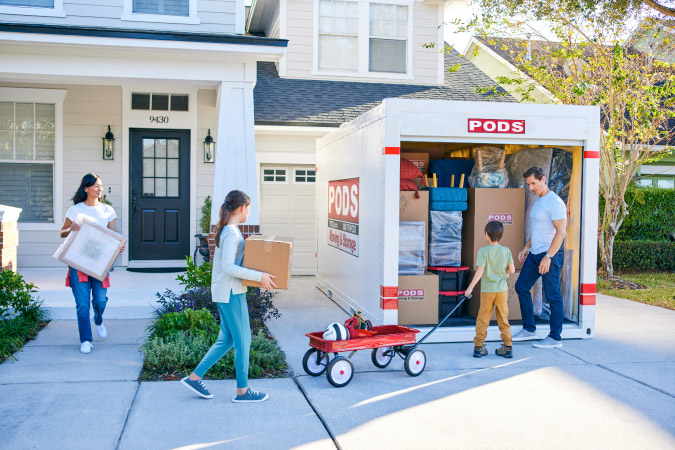
PODS delivers a container right to your driveway for convenient loading on your own schedule.
Make Moving to Baltimore Flexible With PODS
Make your move to Baltimore flexible with PODS portable moving containers. Have a container delivered to your driveway, where you can load on your own schedule. Once you’re ready, have the container picked up and delivered to your new Baltimore address, or to a secure PODS Storage Center. PODS can even refer you to local packing and loading services to help with the heavy lifting. One month’s storage is built into the cost of every move, giving you room to work around a gap between addresses.
Visit PODS online for a free local moving quote or call 877-350-7637 for long-distance moving.
Editor’s note: For ease of reading, monthly rental prices were rounded to the nearest $25 and home values were rounded to the nearest $100. Home values in the millions were rounded to the nearest $100,000.
Alex Keight is a frequent contributor to the PODS Blog who has moved 25+ times because she loves to experience new places.*This article was written on behalf of PODS Enterprises, LLC (“PODS”). PODS does not warrant the completeness or acuracy of any information contained in this article and disclaims any liability for reliance upon the content herein.

Your quote in 60 seconds
Get pricing tailored to your needs!
Related Articles


DC Neighborhoods and Suburbs You Need to Know: Your Guide to Life in the Capital City
Washington DCVirginiaMaryland
Read more

