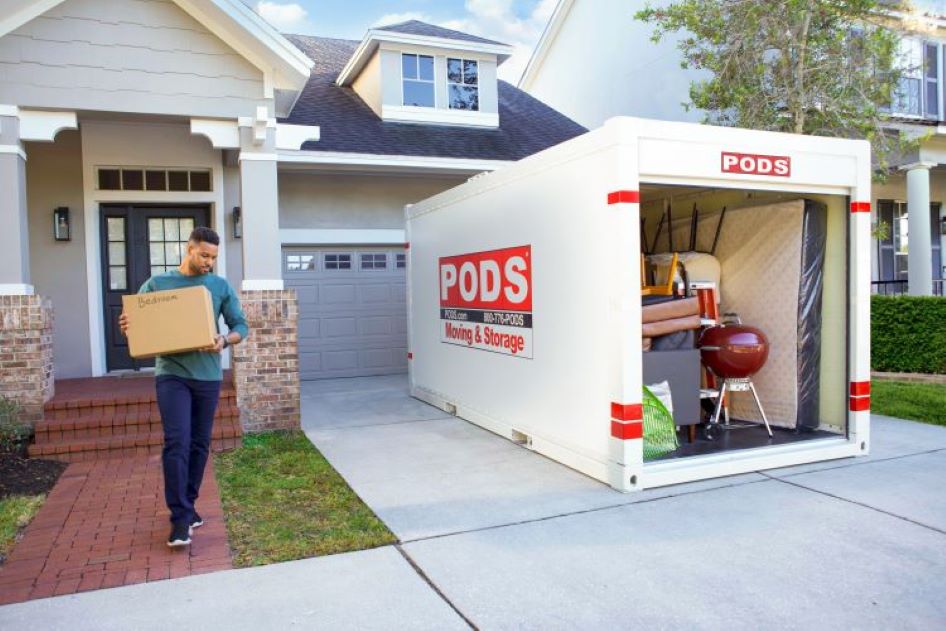
How to Move Heavy Furniture Alone: The Ultimate Solo Mover’s Guide
Moving Tips and Hacks
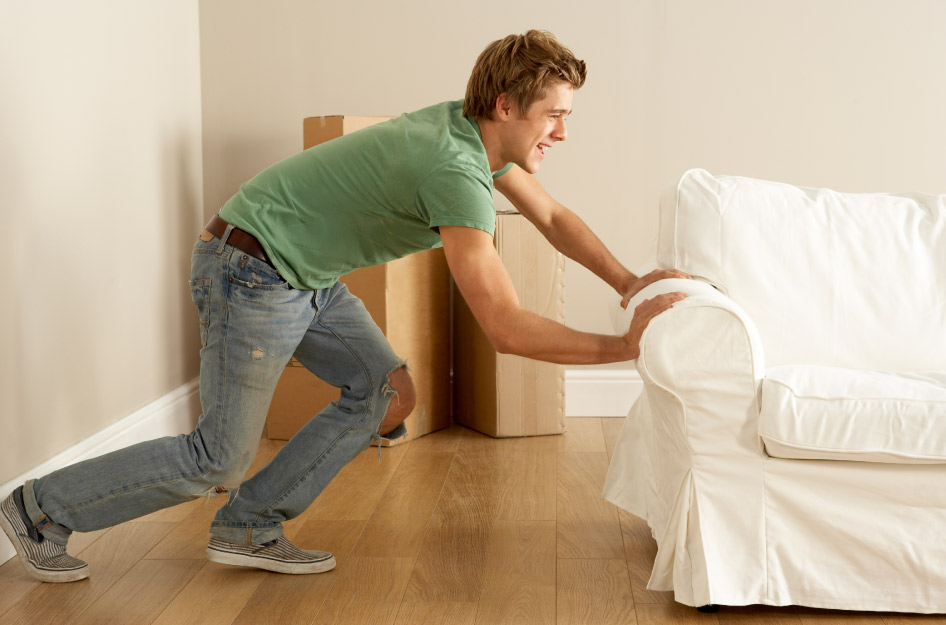
TL;DR: How To Move Heavy Furniture Alone Moving heavy furniture alone is possible with the right combination of tools, technique, and planning.
With a little patience and the right prep, you can move even the bulkiest pieces safely — and if it still feels like too much, PODS can connect you with local packing and loading help. |
Moving to a new home is exciting, but it gets a lot less fun when you’re staring down a dresser or a bulky sofa with no one around to help. The good news? Learning how to move heavy furniture alone doesn’t require superhuman strength — just the right technique.
Moving large furniture alone comes down to a few key principles: Using leverage instead of brute strength, reducing friction so items glide instead of drag, and having the right tools on hand. Master those, and what looks like a two-person job becomes something you can handle solo. This guide walks through the pro strategies that will help you move even your heaviest pieces safely and efficiently, so you can skip the sore back and the trip to the chiropractor.
Your Solo Moving Toolkit: The Essential Supplies
When you’re moving heavy furniture by yourself, the supplies act as a safety barrier between you and a serious injury. Before you start moving a mattress or bookshelf all on your own, you should learn about the best tools to move heavy furniture alone.
Furniture Sliders: How To Use One of the Most Important Tools
Furniture sliders may be the most critical tool for anyone learning how to move heavy furniture alone. Not only are they easy to use, but they’ll also protect your floors from scratches and dents. Think of them as tiny skates — they turn grueling friction into a smooth, effortless glide. Your back (and your floors) will thank you later!
Not all sliders are created equal, though. The wrong type for your surface can backfire, scuffing or even damaging your floors instead of protecting them.
- Hard plastic sliders: For carpeted surfaces, you’ll need plastic sliders. Their smooth, curved form glides easily without snagging. Ever struggled with dragging a sofa across a rug just for the rug to bunch up? These sliders provide the perfect solution.
- Felt-bottom sliders: If you have hardwood or laminate flooring, the soft felt of these sliders allows the furniture to slide without causing any damage.
To place sliders safely, tilt the furniture diagonally rather than lifting it fully upright — this makes it easier to slip a slider under each leg or corner. If you're moving something like a dresser, empty the drawers first; less weight means less strain on both you and the sliders.
Moving Dollies: Safe Transportation
While sliders take care of gliding furniture across a room, moving dollies are the essential tool for covering actual distance. Wheels are pretty much a requirement when you’re figuring out how to move heavy furniture alone — the right dolly is the difference between a controlled move and a broken dresser.
- Two-wheel dolly (hand truck): Best for heavy, tall items like bookshelves or a stack of heavy bins. Slide the base plate under the item, tilt it back toward your body, and you’re good to get moving.
- Four-wheel dolly (the furniture dolly): A low, flat rectangular platform that's best for horizontal pieces like sofas and sideboards. Lift or tilt the item just enough to slide the dolly underneath, then center it for balance before rolling.
Moving Straps: Mastering the Lift
Moving straps are the secret weapon that allow you to lift furniture safely, whether you’re clearing a door threshold or just navigating a small step.
- Forearm lifting straps: Heavy-duty loops that go over your forearms, letting you safely move a heavy item just inches off the ground.
- Shoulder dolly moving straps: Harnesses that distribute weight across your shoulders, freeing up your hands completely.
Protective Gear: Another Mechanical Advantage
The right protective gear provides the grip and support necessary for moving heavy furniture by yourself safely.
- High-grip gloves: The physical strain of moving will likely make hands sweat, which can cause your grip to slip and damage your prized possessions. Already have a pair of high-traction fitness gloves in your gym bag? Those work just as well.
- Footwear with traction: Stability is key when moving heavy items, so swap your comfy slippers or flip-flops for a pair of shoes with good traction.
- Moving blankets: These thick coverings help protect fragile items — especially useful when moving furniture long distance — and double as a shield against sharp corners or glass inserts.
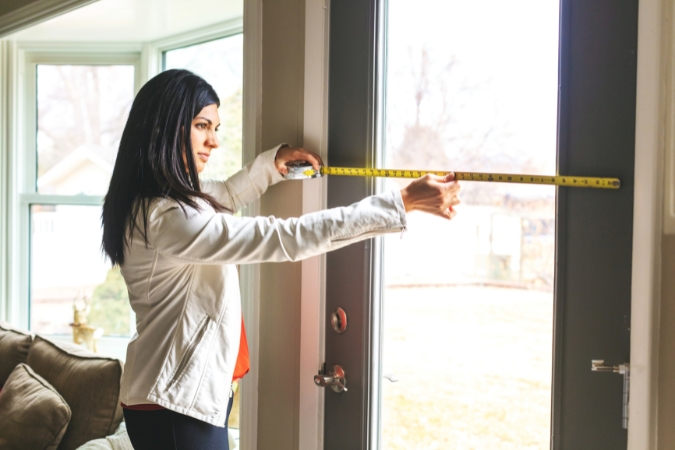
Avoid getting stuck in tight corners and narrow doorways by measuring your pathway before you start moving heavy furniture.
Master the Maneuver
Once you have the best tools to move heavy furniture in your toolkit, the real test of how to move heavy furniture alone lies in your own body mechanics. We've all been there — you just want to power through in one continuous lift to get it over with faster. But breaking the task down into smaller steps reduces physical strain and the likelihood of a serious accident.
Lighten the Load As Much as Possible
When you’re figuring out how to move a dresser by yourself, lightening the load is the simplest way to make the job easier. Take out the drawers, and for other pieces, unscrew any removable legs or mirror attachments.
Can’t remove any drawers or doors yourself? Stretch wrap is a good way to secure these parts and prevent them from swinging open.
Decide on Your Route
Identify every part of your home that could trap you or cause damage during the move. Because you’re moving alone, there is no second set of eyes to help you watch for those nagging wall corners or low ceilings.
- Measuring doorways: Instead of just measuring the frame when you’re figuring out how to move a sofa alone, you need to measure the distance between the door while it’s fully open and the outside clearance.
- Identify pivot points: Check the space behind each door you plan to walk through. While you might be able to move a piece of furniture out of a door in a straight line, you’ll need to adjust if you’re navigating a narrower hallway.
- Overhead hazards: Take note of any low-hanging light fixtures or fans that can cause damage when moving a taller item.
Be sure to keep other obstacles in mind as well, including any wall-mounted decor and loose power cables.
L-Shape Trick
Navigating corners is one of the trickiest parts of moving alone. The L-shape maneuver is a go-to technique when you’re figuring out how to move a couch by yourself. Turn the couch on its side, lead the backrest through the door frame, then pivot the seat through the opening.
Final Placement
Once your furniture is in the right area, take care when positioning it exactly where you want it. Furniture sliders make it easy to fine-tune placement — just use steady pushes rather than shoving the piece into place.
By following each of these techniques, the process of how to move heavy furniture alone becomes a controlled process rather than a physical gauntlet.
Surface Tips
The final piece of how to move heavy furniture alone is understanding the friction of the floor beneath you. The last thing you want to worry about at your new place is permanent damage left behind at the old one.
Hardwood, Laminate, and Tile Floors
Hardwood floors are the most vulnerable to scratches and scrapes when you skip the proper prep. Any debris trapped under a heavy piece of furniture can leave noticeable marks behind.
Felt-bottomed sliders are the best way to prevent damage, but prep the floor first. Sweep or mop, and then ensure your path is dry before you start moving.
You can also use a moving blanket, which acts like a sled and works best with flat-bottomed pieces that don’t have legs.
Carpeting and Rugs
Carpet presents a different problem: Too much grip. Plastic sliders allow your furniture to glide over carpet and rugs, preventing the legs of your furniture from digging in and getting stuck.
The furniture may resist at first, but pushing it at a slight diagonal will help keep it moving in the right direction.
If you’re pushing a dolly across carpet, the wheels might sink in, making it hard to keep moving. Laying down thin sheets of plywood over the carpet gives the dolly a smooth path to roll on.

A checklist is a great way to keep track of everything you need to do on moving day — including safety steps for moving heavy furniture.
The Solo Mover’s Final Checklist
Run through this checklist one final time before moving day to ensure you don’t miss any important safety steps:
- Have you removed drawers, shelves, and other contents?
- Have you measured doorways and moved any tripping hazards, including rugs or cords?
- Do you have plastic/felt furniture sliders for your floor type?
- Are you wearing the right footwear and do you have high-grip gloves?
By following these tips, you now have some of the best knowledge and tactics for how to move heavy furniture alone like a pro.
How To Move Heavy Furniture Alone — FAQs
Q: How to lift heavy items alone?
A: Lifting heavy items alone comes down to a combination of proper body mechanics, the right mechanical aids, and a bit of strategic planning to avoid serious injury.
Q: How to get a heavy box upstairs by yourself?
A: Your two-wheel dolly can help on stairs, but for a heavy box specifically, a stair-climbing hand truck or electric stair climber is built for the job and takes the strain off your back.
Q: How to raise heavy objects by yourself?
A: Using leverage tools, like moving straps specifically designed for solo moves, can help you lift and move heavy objects like furniture.
Q: How to load something heavy into a truck by yourself?
A: Skip the manual lifting — a mechanical aid like a ramp is the safest way to load a heavy object into a truck alone.
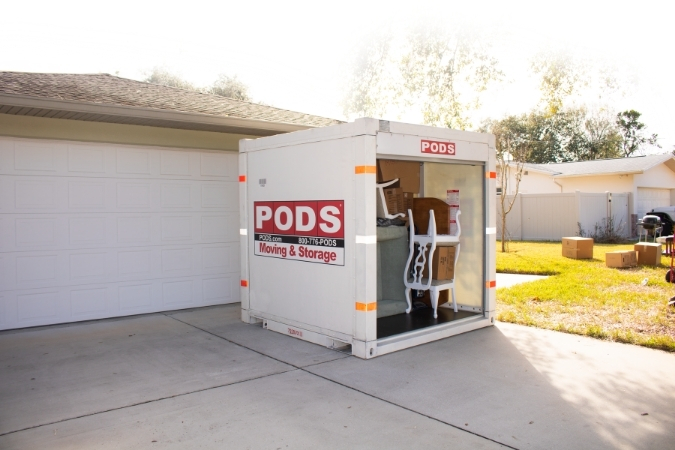
After mastering how to move heavy furniture alone, let PODS handle the rest by picking up and delivering your portable moving container.
PODS Can Help With Your Solo Move
Learning how to move heavy furniture alone is more than just a process of muscling through; it requires both patience and preparation. Taking the time to plan out your route and buy the right tools might feel time-consuming, but ultimately it’s faster than having to nurse potential injuries. A bit of strategy and patience will go a long way. And remember, you don’t have to do it all alone.
Make the move to your new home flexible with portable moving containers from PODS. Have your container delivered right to your driveway for convenient loading on your own schedule. One month’s storage is built into the cost of every move so you don’t have to feel rushed. And if the task of moving heavy furniture by yourself still seems daunting, PODS can refer you to local packing and loading assistance. Once it’s ready to go, your container will be picked up and delivered to your new home, or kept in a secure PODS Storage Center until you’re ready to unload.
Visit PODS online for a free local moving quote or call 877-350-7637 for long-distance moving.
*This article was written on behalf of PODS Enterprises, LLC (“PODS”). PODS does not warrant the completeness or accuracy of any information contained in this article and disclaims any liability for reliance upon the content herein.

Your quote in 60 seconds
Get pricing tailored to your needs!
Related Articles

What is a Moving Loan? Your Essential Guide to the What, When, Why, and How to Use a Loan for Your Next Move
Moving Tips and Hacks
Read more
Moving While Working Remotely? 5 Tips To Make It Easier & 5 Hotspots Remote Employees Are Moving to in 2026
Moving Tips and Hacks
Read more
Moving Out For the First Time Checklist: A Step-by-Step Guide To Leaving Home
Moving Tips and Hacks
Read more