Living in Albany, NY: What Life Is Really Like in the New York State Capital
New York State
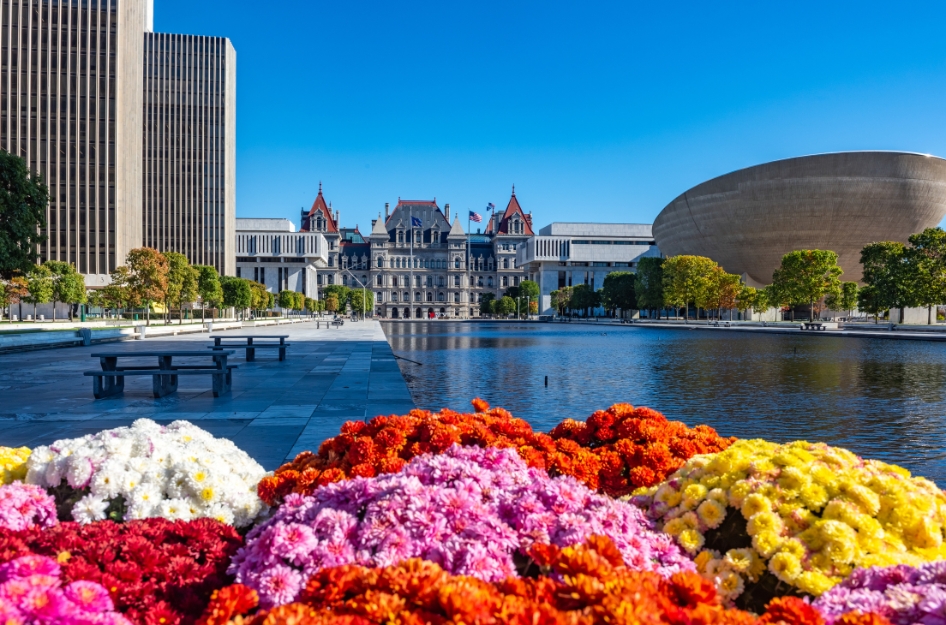
Thinking about living in Albany, NY? As the New York State capital, Albany hits a sweet spot for people who want career opportunities and big-city conveniences without the cost of living to match. It's large enough to offer a diverse job market and plenty to do, yet compact enough to stay navigable.
| Planning a move to Albany, NY? Start by getting a free moving quote from PODS. |
Location is another draw. Nestled in the heart of the Northeast, Albany puts New York City, Boston, and Montreal all about three hours (or just over that) away. So a change of scenery is never far off. Our guide is here to give you 10 other essentials to know before you make your move.
Albany at a Glance
- Population: Albany’s population is just over 101,000.
- Median age: The median age in Albany is 32 years.
- City size: Albany’s total area is about 21.4 square miles.
- Location: The city is situated in the east-central region of the state.
- Fun fact: First settled in 1609, Albany is one of the oldest continuously settled cities in the U.S.
10 Things To Know About Living in Albany, NY
This capital city provides a small-city feel with the perks of a big city — all with a stable job market and lower cost of living compared to other major cities in the Northeast. Here are 10 more things you need to know about living in Albany, NY.
1. The Albany, NY, Cost of Living Is Affordable Compared to Other Cities in New York
Albany is considered a relatively affordable place to live, especially when compared to other major Northeast cities like New York City and Boston. With a cost of living score of 99.3, the cost of living in Albany is 0.7 percent lower than the U.S. average and over 22 percent lower than the state average.
2. Pros and Cons of Living in Albany, NY
The small city environment of Albany offers a lot of perks, from affordability to professional-grade healthcare, but of course, there are some trade-offs to consider.
Pros of Living in Albany, NY
- Strategic location in a tri-state hub
- Stable job market
- Cultural wealth
- Lower housing costs
Cons of Living in Albany, NY
- Harsh winters
- Aging infrastructure
- High property taxes
- Crime rates are higher than the national averages
3. The Housing and Rental Market in Albany Is Characterized by Moderate Price Growth
Albany's housing market offers something for nearly every budget and lifestyle. The average home value sits at $324,700 — a 4.1 percent increase over the past year — which remains well below what buyers would pay in comparable Northeast cities. The inventory is genuinely diverse, ranging from 19th-century rowhouses and Victorian brownstones in walkable urban neighborhoods to updated single-family homes in quieter suburban pockets. Renters are also well-served, with an average rent of $1,625 per month for a one-bedroom apartment, though demand has pushed that figure up nearly three percent year over year.
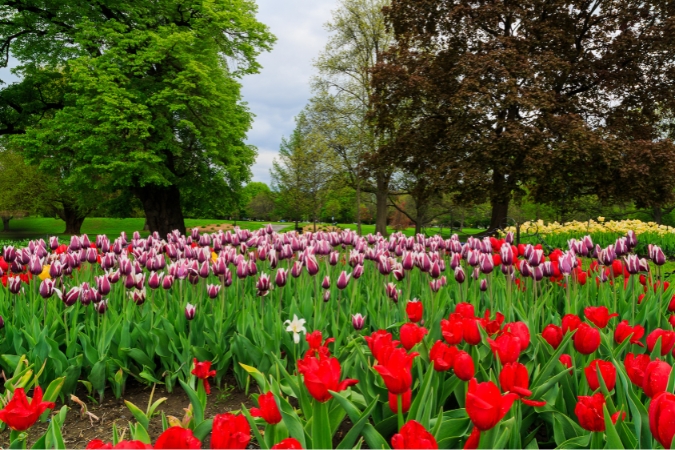
The Washington Park neighborhood is known for its green spaces and annual Tulip Festival.
4. The Best Places To Live in Albany, NY, Each Offers Its Own Distinct Personality
Whether you’re looking for a vibrant urban core or a quieter residential hub, each top-rated area of Albany offers its own unique way of life. The best neighborhoods in Albany, NY, include:
- Center Square: Considered the cultural heart of Albany, this neighborhood is best for singles, young adults, and professionals because of its vibe similar to Brooklyn and the West Village in NYC. Center Square features exceptional walkability, a diverse entertainment and nightlife scene, and a friendly community atmosphere.
- Washington Park: This neighborhood is one of the best places to raise a family in Albany, offering immediate access to green spaces, playgrounds, and major cultural events like the Tulip Festival.
- Helderberg: Situated close to Downtown Albany, this neighborhood offers a quieter suburban feel, ideal for retirees looking to avoid the louder urban noise. It provides easy access to top healthcare like St. Peter’s Hospital and abundant outdoor recreation to stay active.
5. Albany Crime Rates Sit Above the National Average, but They’re on a Steady Decline
While the city’s overall crime rates are higher than national averages and those in most other areas in the state, there has been a steady decrease over the last few years, and the current crime rates are at their lowest level since 2019.
Both of Albany’s violent and property crime rates remain high, but property crime is more of a frequent occurrence than violent crime:
- The violent crime rate in Albany is 817 per 100,000 people, compared to 380 per 100,000 in the state and 359 per 100,000 nationwide.
- Albany’s property crime rate is 2,848 per 100,000 people compared to 1,720 per 100,000 in the state and 1,760 per 100,000 nationally.
6. Endless Things To Do in Albany, NY, Make for a Perfect Weekend
From exploring world-class architecture to rich American history and beautiful outdoor spaces, Albany offers a diverse mix of things to do, such as:
- New York State Capitol Tour: Take a free guided tour of this 19th-century architectural marvel, which showcases the legislative chambers, Hall of Governors, and historic staircases.
- Schuyler Mansion State Historic Site: Take a tour of the former home of Revolutionary War General Phillip J. Schuyler — it’s also where Alexander Hamilton married the general’s daughter, Elizabeth Hamilton Schuyler.
- New York State Museum: A family-friendly museum experience where the kids can touch fossils and explore nature.
- Palace Theatre: Catch a concert, comedy show, or movie at this 1931 restored theater.
- Washington Park: This park features walking paths, a playground, tennis courts, and a lake. It also hosts the Tulip Festival in May.

The best restaurants in Albany, NY, offer farm-to-table flavors and local favorites that bring people together.
7. The Dining Scene in Albany Is a Flourishing Culinary Hub
Albany’s dining scene is defined by locally owned restaurants, farm-to-table practices, and an array of international cuisines. The best restaurants in Albany, NY, that show off what the city has to offer include:
- Druthers Brewing Company: A casual pub known for its signature dishes like buffalo chicken mac and an extensive list of beers brewed in-house.
- 677 Prime: A high-end steakhouse in downtown Albany renowned for its high-quality cuts of beef.
- TORO Cantina: One of the city’s most popular Mexican restaurants offering giant lobster quesadillas and chicken tortilla soup.
8. Albany’s Job Market Is Stable and Growing
As the state’s capital, Albany’s job market is characterized by institutional stability and modest growth. The Albany region has an unemployment rate of 2.8 percent as of April 2026, which is lower than the New York State average of 4.2 percent.
Government and public administration are among the city’s largest sectors, while the healthcare industry is another major contributor to the local economy. The ALBANY MED Health System and St. Peter’s Health Partners are among the top employers in Albany.
9. Albany’s Public Transit Is up to Par With Other Northeastern Cities
For a mid-sized city, Albany has a robust public transit system anchored by the Capital District Transportation Authority (CDTA). The system is highly effective for travelling between different cities and suburbs.
The CDTA bus system is the primary transit mode that offers over 50 routes connecting Albany to neighboring cities like Troy and Schenectady. The BusPlus transit lines offer faster and more frequent service with fewer stops.
Albany is also a major transit hub for the Northeast, as the Albany-Rensselaer Amtrak Station offers frequent service to NYC, Boston, and Montreal.
10. Albany, NY, Weather Varies by the Season
The humid continental climate of Albany includes four distinct seasons, with major temperature swings from the freezing and snowy winters to the warm and humid summers.
The lowest temperatures residents can expect to face are in January, with an average low of 18°F and an average high of 32°F. January also receives the most snowfall, with an average of close to 16 inches, contributing to a city-wide annual average of 50–60 inches.
The sun begins to shine the most from June to September, throughout the warmest season of the year. July is the hottest month, with an average high of 82°F.
Living in Albany, NY — FAQs
Q: How much do you need to make to live comfortably in Albany, NY?
A: A family of four (two adults and two children) living in Albany, NY, should make an annual income of at least $88,900 before taxes to cover basic living costs. A couple without children should make closer to $70,300, and a single person should make at least $50,400.
Q: Why are homes in Albany, NY, so cheap?
A: Homes in Albany are perceived as “cheap” because they’re lower than in other Northeastern hubs like NYC, but these lower prices are offset by the higher property taxes.
Q: What are winters like in Albany, NY?
A: Winters in Albany are cold, snowy, and not for the faint of heart. Temperatures regularly dip below freezing from December through February, with January averaging a high of just 32°F and a low of 18°F. Snowfall is a near-constant companion, with the city averaging around 50–60 inches annually — so a reliable snow shovel and a good coat aren't optional.
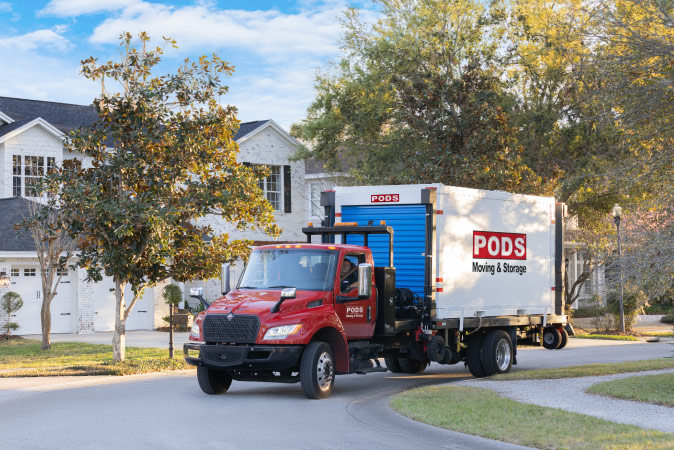
Need a hand? Let PODS do the heavy lifting with a portable moving container delivered right to your driveway.
Moving to Albany, NY, With PODS
Make your move to Albany flexible with a portable moving container from PODS. Have a container delivered right to your driveway, where you can load on your own schedule. Once you’re ready, have it picked up and dropped off at your new Albany home, or kept in a secure PODS Storage Center. One month of storage is built into the cost of every move, so you can take your time getting settled. If you need help with the heavy lifting, PODS can also connect you with local packing and loading services.
Visit PODS online for a free local moving quote or call 877-350-7637 for long-distance moving.
Editor’s note: For ease of reading, monthly rental prices were rounded to the nearest $25 and home values were rounded to the nearest $100. Home values in the millions were rounded to the nearest $100,000.
*This article was written on behalf of PODS Enterprises, LLC (“PODS”). PODS does not warrant the completeness or accuracy of any information contained in this article and disclaims any liability for reliance upon the content herein.

Your quote in 60 seconds
Get pricing tailored to your needs!
Related Articles
NYC Moving Guide: Find the Best Manhattan Neighborhoods for Your Big Move
New York StateNew York City
Read more
Tips for Moving to Staten Island: From Best Neighborhoods to Top Things to Do
New York StateNew York City
Read more
Living in Rochester, NY: Blooming in the Flower City — One of the Best Kept Northeast Secrets
New York State
Read more
The Best Neighborhoods for Families in NYC Prove the City Is More Than a Concrete Jungle
New York StateNew York City
Read more
NYC Moving Guide: Find the Best Neighborhoods in Queens, New York
New York StateNew York City
Read more