
What Is a PCS Move? The Complete Guide for Military Families
Military Moving
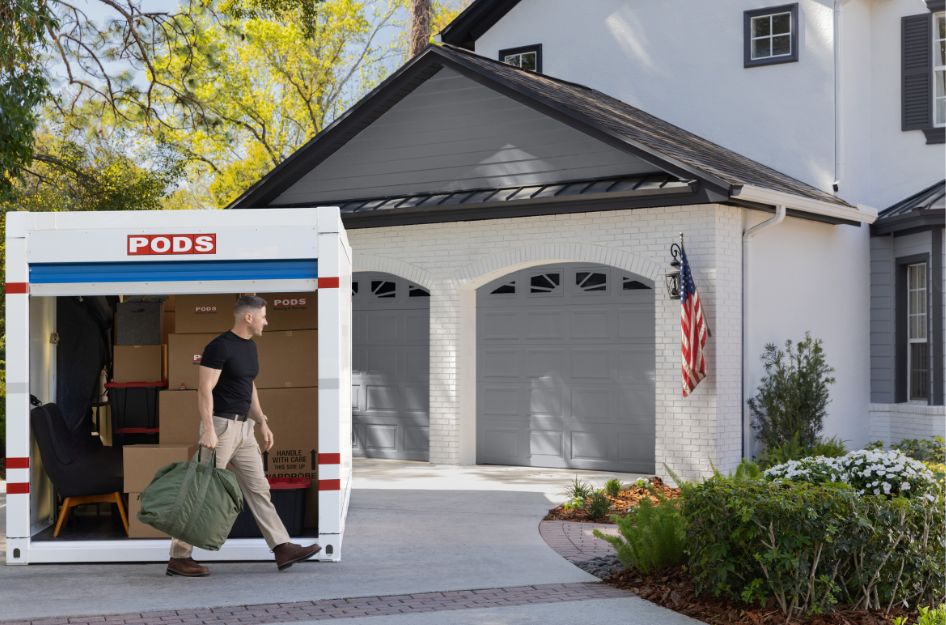
TL;DR: What Is a PCS Move? A PCS (Permanent Change of Station) move in the military is an official, ordered relocation of a service member — and usually their family — to a new permanent duty station, typically happening every two to four years. It's triggered by formal PCS orders and involves a Report No Later Than Date (RNLTD), coordination through your base Transportation Office, and scheduling through the Defense Personal Property System (DPS). Key takeaways:
|
What is a PCS Move? It stands for “permanent change of station,” and you can think of it as the military’s way of saying, “New orders, new home! Time to go.” They happen every two to four years, and you could say the process is a bit more complicated than your average move. From the moment you have your orders in hand, the process kicks off with tight timelines, detailed logistics, and a lot of coordination. But, while a PCS move can feel overwhelming, having a good idea of what to expect can at least make the process more manageable (and maybe even a little exciting). We’re here to take you through the entire process.
Navigating the Basics: What Is a PCS Move in the Military and What Does It Entail?
Your PCS move can either be somewhere in the continental U.S. (CONUS) or somewhere outside of the continental U.S. (OCONUS). What qualifies as a PCS move? Basically, if you have the official military order letting you know it’s time for you — and typically your family — to relocate to a new station, it’s a PCS move.
PCS Orders
The first question you may ask yourself is, “What is a PCS move order?” PCS orders explain the details of your move, which are influenced by your rank, the length of your job or training period, and your assigned location. These orders are a legally binding action given by the service branch to the service member, which authorizes every dollar spent and mile traveled during the relocation process.
Timing can vary, but PCS orders are typically administered between May 15 and September 30, which is the peak of the PCS season.
Anatomy of the Document
Each branch uses its own format, but every set of orders includes these key identifiers:
- Order number: A unique code used by transportation offices and housing authorities to verify the move.
- RNLTD (Report No Later Than Date): The final deadline by which you must report.
Points of Contact
When managing your PCS move, you’ll work primarily with two resources: the Transportation Office and the Defense Personal Property System (DPS).
Transportation Office
The Transportation Office serves as the main logistics hub for your relocation. It coordinates shipping by selecting and booking a transportation service provider (TSP) to handle your household goods. If you experience any concerns with the moving company you were assigned, the Transportation Office will serve as your point of contact.
It’s also responsible for coordinating the transport or storage of unaccompanied baggage, non-temporary storage, and privately owned vehicles.
Defense Personal Property System (DPS)
DPS is the online system that allows you to schedule your move, track your shipment, or file a property claim.

Once you know what a PCS move involves, the next step is choosing how to move: HHG or PPM.
Moving Logistics
Once you understand what a PCS move involves, mastering the logistics can mean the difference between a smooth transition and a costly, stressful experience. What is considered a PCS move? For active-duty service members, the military offers two primary options to move their belongings — each with its own considerations that can shape a family’s relocation experience.
Household Goods Move (HHG)
A household goods (HHG) move is a method of military relocation in which the government hires professional movers to pack, load, transport, and unpack your belongings. This method allows you to worry less about the physical demands of moving, but it still requires oversight and planning.
Planning & Scheduling
You must provide a seven-day window when you schedule your move for pickup. A moving company representative will visit to estimate the weight of your goods and take note of items that need special care.
Preparation
Before movers arrive, take pictures and videos of high-value items like electronics and jewelry to show that they are in working order. Be sure to separate items you plan on transporting yourself, including passports and official orders, to make sure they don’t get packed away.
Execution
You or an appointed agent (like your spouse) needs to be present during the packing and loading process. And also to sign documents as they come up. (Make sure you verify the condition of your items before signing off on the inventory form!)
If any problems arise during the move, you’ll have 180 days from the date of your delivery to notify the moving company of any damage or missing items.
Personally Procured Move (PPM)
What is a PPM? A personally procured move or PPM/do-it-yourself (DITY) move, where you are completely responsible for your own move. You will have to take care of packing, unpacking, and transporting your belongings to your new home yourself or hire your own moving company. You can also use a portable moving and storage container from a company like PODS.
Finances
A PPM may be considered high-stakes, but it can actually be a smart way to control your relocation. The government will pay 100 percent of what it would have cost to hire a professional moving company — your local Transportation Office can walk you through a PCS move calculator estimate for your specific weight and distance before you commit to a DIY approach.
With a PPM, you are still entitled to standard PCS travel allowances, which include mileage and Per Diem for your travel days.
The Logistics
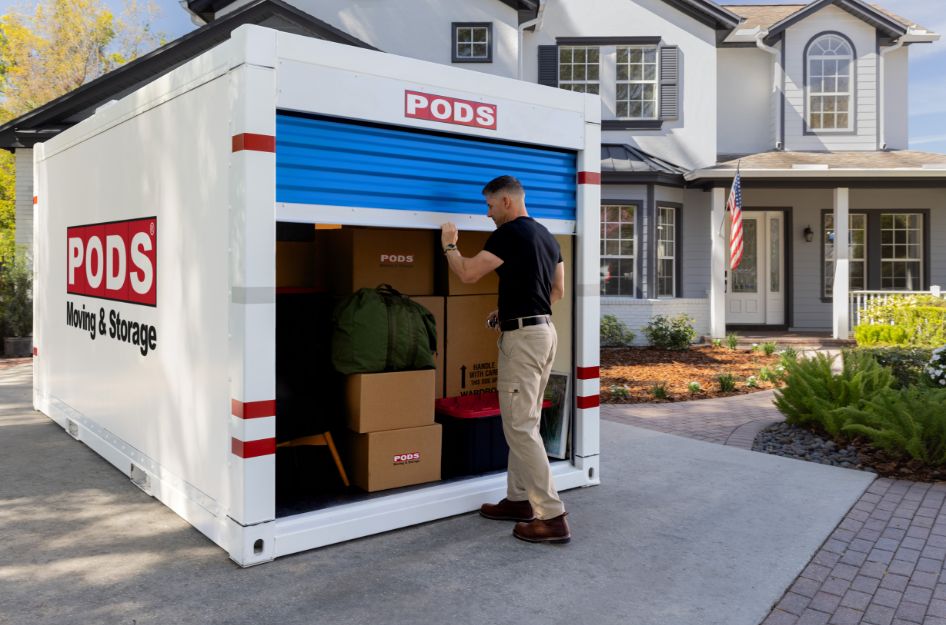
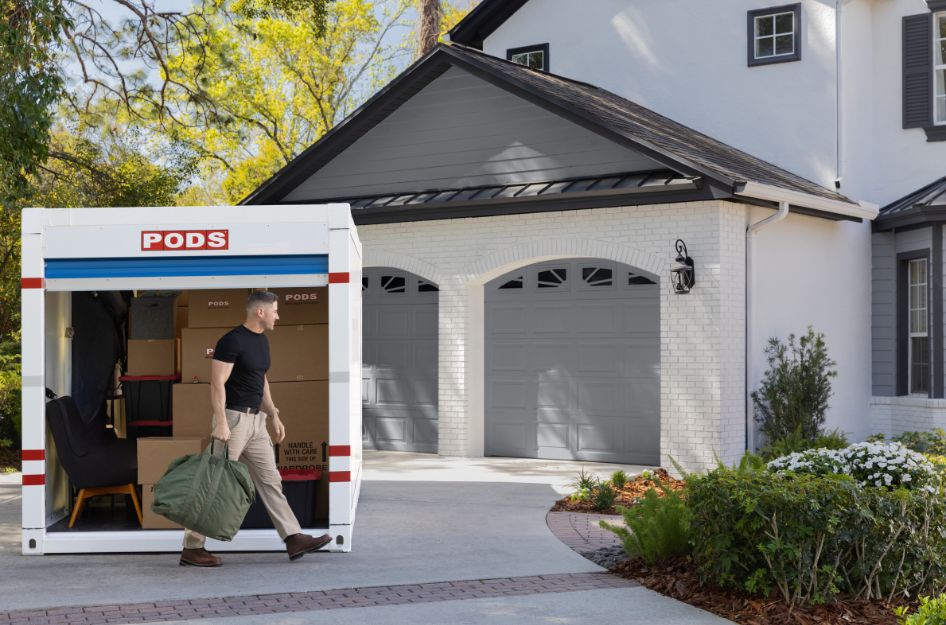
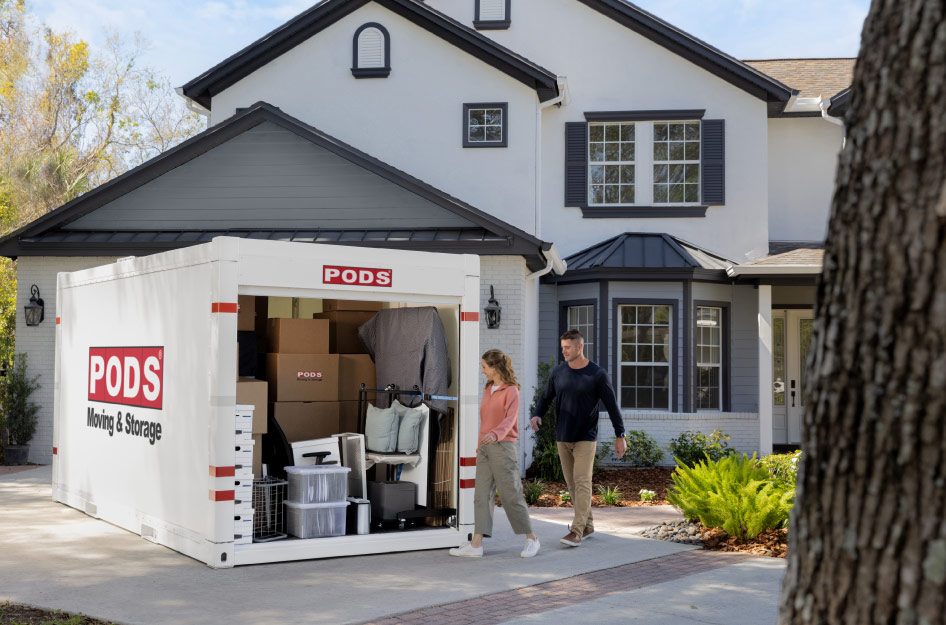
Renting a truck and grabbing some friends or family to help you load is a viable option, but another efficient PPM option is using a PODS portable storage container. You’ll have more time and flexibility during the loading process, and PODS will deliver the containers to your new home, so you won’t need to worry about doing it yourself.
Submitting the Right Paperwork
To claim your money for a PPM, you must submit a settlement packet to your transportation office within 45 days of completing the move. Be sure to check with your service branch for specific requirements, as the necessary documents change, but typically the packet must include:
- DD Form 2278
- Certified empty and full weight tickets
- Rental contracts and fuel/toll receipts
- Copy of PCS orders
| Q: How long does a PCS move usually take? A: A PCS move typically takes anywhere between two and four weeks, depending on where you’re moving to. |
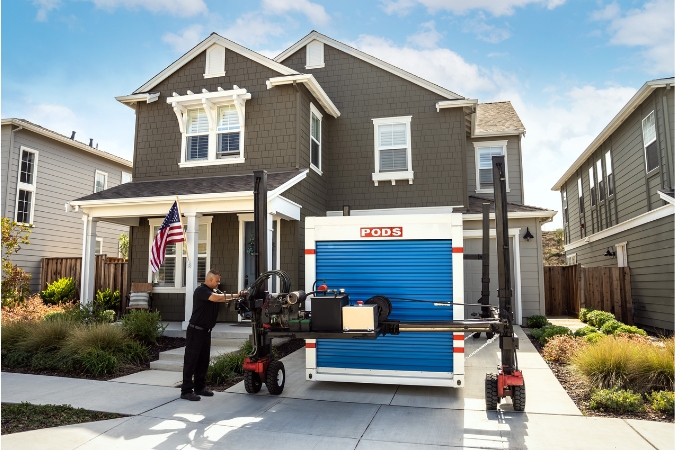
A PPM move offers more flexibility than an HHG move, allowing you to manage the process on your own timeline.
Deciding Between an HHG & PPM
Ultimately, choosing between an HHG and a PPM will come down to time vs. money.
When To Choose an HHG Move
For larger families with substantial furniture and other household items, the physical toll of a PPM move may not be worth the physical strain. Plus, if anything is damaged during your move, you’ll have peace of mind knowing that everything is covered.
When To Choose a PPM Move
A PPM requires more planning and effort, but its advantages over a traditional military move often get overlooked. If you manage your moving budget carefully and avoid spending the full reimbursement for a standard commercial move, you could find yourself pocketing some leftover cash.
Time is another important factor. A PPM gives you more flexibility compared to a standard HHG move, allowing you to manage the process at your own pace and reduce the stress of a tight schedule.
Lastly, a PPM offers more control. You won’t have to worry about your household items being in the hands of others, and you’ll get full reign of the entire process.
Weight Allowances
What is a PCS move weight allowance? Your weight allowance is the maximum amount of weight the government will pay to move. Weight allowances for a PCS are based on ranking, dependency status, and the type of move. If you exceed your limit, it can cost you.
Some moving services take care of it all for you, though, like PODS. They provide weight tickets, so you can just pack up your belongings and focus on getting settled in.
Housing Options
“Basic Allowance for Housing” (BAH) provides service members with housing compensation based on housing costs. Factors that determine the amount of BAH allowance include things like:
- Service member’s rank
- Assignment location
- Number of dependents (if any)
- Rental market rates
- Average utility costs
You can choose on-base privatized housing, off-base rental, or you can buy your own home with a VA Loan.
Relocation Assistance
While the transportation office handles most of the technical logistics, there are relocation resources to help with stresses like unavoidable expenses, childcare, and concerns with navigating life in a completely new city.
Financial Lifelines
Even with reimbursements, the moving process can still be expensive. Organizations like Army Emergency Relief or the Navy-Marine Corps Relief Society offer interest-free loans or grants for certain costs like first month’s rent or emergency vehicle repairs during the time of transit.
General Information Hub
The MilitaryINSTALLATIONS website provides comprehensive information regarding military installations all over the country. This resource can provide more information on temporary housing, proper check-in procedures, and important things to know about the surrounding community.
Most bases have a relocation assistance program, which can offer one-on-one support and give you information about job opportunities and childcare. You can also use this resource to find school liaison officers, who are essential for transferring things like individual education plans (IEPs).
How PODS Helps With a PCS Move
For service members choosing a PPM, PODS provides a portable storage container delivered directly to your home for convenient loading and, when you’re ready, handles transportation of the container to your new duty station for unloading. Because you're not working around a moving crew's schedule, you set your own pack and load timeline within the rental window.
PODS provides weight tickets upon request, which are required documentation for your PPM settlement packet. One month of storage is included in the cost of every PODS move, which can help if there's a gap between your report date and move-in date at your new duty station. PODS can also connect you with local packing and loading assistance if you want help with that part of your move
Service members who PPM with PODS remain eligible for the standard PPM reimbursement (100% of the government's estimated cost of an HHG move), and PODS offers a military discount on the base cost of the move. As with any PPM, you're still responsible for tracking your own paperwork, weight documentation, and the 45-day settlement submission deadline.
FAQs — PCS Move
Q: How much money do I get for a DITY move?
A: For a DITY (or PPM) move, the government pays you 100% of what it would have cost to ship your household goods through a standard HHG move — based on the weight of your shipment and the distance you're moving — plus your standard PCS travel allowances like mileage and per diem. Your actual payout depends on your empty and full weight tickets, so exact numbers vary by move.
Q: How much will a DITY move cost in 2026?
A: There isn't a single fixed number, since DITY/PPM reimbursement rates are tied to the government's estimated HHG shipping cost for your specific weight and distance, and those rates are updated annually. The best way to get a current estimate is to use a PCS move calculator or check with your local Transportation Office, who can walk you through the numbers based on your rank, weight, and distance before you start planning.
Q: Is a PCS calculator accurate?
A: A PCS move calculator can give you a solid estimate based on your rank, dependents, and the weight and distance of your move, but treat it as a planning tool, not a guarantee. Your final reimbursement is based on your actual certified weight tickets and receipts once the move is complete, so the real number can shift slightly from the calculator's projection. Your local Transportation Office can help confirm the most accurate numbers for your specific move.
Q: How much money do you get for PCSing?
A: It depends on your move type. With an HHG move, the government pays the moving company directly and you're not reimbursed cash for shipping (though you still get travel allowances). With a PPM/DITY move, you're reimbursed the estimated cost of a government-run move, which can leave you with money left over if you keep your own costs down.
Q: What is considered a PCS move versus a regular move?
A: A PCS move is specifically a permanent change of station ordered by your service branch — it's official, comes with orders and an RNLTD, and comes with reimbursement and allowances. A move you make on your own, without orders (like relocating off-base within the same duty station for personal reasons), isn't a PCS move and isn't reimbursed the same way.
Q: How long do I have to file a PPM settlement packet?
A: You have 45 days from the date you complete your move to submit your settlement packet to your transportation office, including your DD Form 2278, weight tickets, receipts, and a copy of your orders.
Q: What’s the difference between a PCS and a TDY?
A: A PCS is a permanent move to a new duty station, while a TDY (temporary duty) is a short-term assignment away from your permanent station — you keep your household and official residence at your permanent station during a TDY, and you don't get the same moving allowances you'd get with a PCS.

\PPM with PODS and save more with a flexible PCS move.
PPM With PODS and Save More
PCS moves are a complete lifestyle shift that can be stressful and daunting, but luckily, there are plenty of resources available to help you navigate the process — including moving companies like PODS. You can PPM with PODS and save with the PODS military discount.
Have a portable storage container delivered right to your driveway, where you can pack and load your belongings at your own pace. Need help with the heavy lifting? PODS can connect you with local packing and loading services. Plus, one month of storage is built into the cost of every move, so you can take your time getting settled in. You’ll also be reimbursed for what military movers would have cost, meaning potential profit in your pocket!
Visit PODS online to get a free quote for your local military move or call 866-556-9574 for long-distance moving.
*This content was refreshed with the assistance of artificial intelligence. It was then fact-checked, proofread, and edited by the real-life intelligence of the PODS Blog team. PODS however does not warrant the completeness or accuracy of any information contained in this publication and disclaims any liability for reliance upon the content herein.

Your quote in 60 seconds
Get pricing tailored to your needs!
Related Articles
The Only PCS Moving Checklist You Need: How To Maximize Your Move (and Your Savings)
Military Moving
Read more


L.A. Bound? Make the most of your military moving experience
Military MovingLos AngelesCalifornia
Read more