Military Moving Reimbursement: A Service Member’s Guide to Financing a Move
Military Moving
Life in the military means constant motion — literally. Over 400,000 service members each year have to make a Permanent Change of Station (PCS), which can mean moves every two to four years. You might be headed somewhere stateside (CONUS) or jetting off abroad (OCONUS). To help alleviate the stress of moving, military moving reimbursement is designed to take some of the stress off your plate, helping cover the costs of the move so you can focus on the adventure — and maybe finally get that perfect packing system down.
Permanent Change of Station (PCS) Entitlements
How much does the military reimburse for moving? That depends on which route you choose for your move. Once you receive orders to PCS, you have two options: A Personally Procured Move (PPM) or a Household Goods (HHG) move.
A PPM requires you to pay moving expenses up-front, and then you receive a military moving reimbursement to cover things like mileage, dislocation allowance, lodging, and other travel expenses. With an HHG, the government pays all the expenses up-front.
The benefits you receive will ultimately depend on several factors, such as:
- The type of move you’re making
- Where you are relocating
- Your rank
- Whether you have a spouse, dependents, or even pets, moving with you.
Common PCS Expenses Covered:
- Travel per diems: A per diem is provided to service members to cover the cost of lodging and meals during travel.
- Temporary lodging expense (TLE): A TLE is provided as reimbursement for lodging and meal costs in the vicinity of the new or old duty station.
- Dislocation allowance: A flat-rate payment that can help cover any extra expenses that can occur during the moving process, including security deposits and movers. The total amount will ultimately depend on your rank and dependency status.
- PCS moving reimbursement: Covers the total amount of items shipped during your move.
- PCS storage: The military can offer you a short-term storage solution, where you can store your household goods or cargo in storage for up to 90 days.
- Pet moving: You’re able to get reimbursed for transporting one pet, and any other costs with additional pets will have to be covered at your own expense. It’s also important to note that a lot of military installations have a two-pet policy, and some don’t even allow any pets.

Organize your military move with the help of Plan My Move, an online tool that creates a personalized checklist to keep every task on track.
Resources To Help You Navigate the PCS Process
To better understand the moving and relocation process, you can rely on online and installation support services for additional assistance.
Relocation Assistance Program
The relocation assistance program is a great start to learn about the right information to help with your move and getting settled. Relocation assistance service providers can connect you with the right sources to help you through the process of moving your own property and scheduling the move. These relocation experts (and the Military and Family Support Center) can also offer information about job opportunities, schools, medical care, and child care services.
Military INSTALLATIONS
MilitaryINSTALLATIONS offers a complete overview of your new duty station. You can access information on check-in procedures, the local community, and everything else you can expect as a newcomer.
Plan My Move
If you are feeling overwhelmed about the logistics of your move, Plan My Move is an online tool that helps you make sure you are getting each task properly taken care of. The tool will generate your very own checklist with information on how to complete each of the tasks on the list.
Military Sponsorship
To help you feel less alone during the initial stages of the relocation process, your new unit will most likely assign you a sponsor to help build a personal connection and learn from their own experiences and knowledge. Getting assigned a sponsor will help you to understand and navigate the local community while forming a bond with someone you can rely on.
Choosing Your Move Type: Military Moving Options
There are two main types of military moves: HHG and PPM. Which you choose ultimately depends on your preference.
Government-Arranged Move (Household Goods/HHG move)
An HHG move is handled by government-contracted military movers. These military movers pack up your belongings for you and load them onto the truck for transport to your new assignment. There are weight limits you’ll need to be aware of, but it’s a great option for anyone wanting professionals to handle the packing, loading, weighing, and other paperwork.
Personally Procured Move (PPM)
If you prefer to stay on top of your organization and make sure that everything is transported properly, you can also opt for a PPM/DITY move. Great for any military branch, you’ll be in charge of finding your own truck or portable storage container, plus packing and loading all your items. You’ll then arrange for it to be weighed and driven to your new assignment. It can be a lot of work, but a lot of people prefer it because they’ll be reimbursed by the government for expenses related to moving (up to what a military moving company would charge) — which can sometimes mean profit gained on your military moving reimbursement. Plan smart with a PPM move calculator, like PCSCalculator.net.
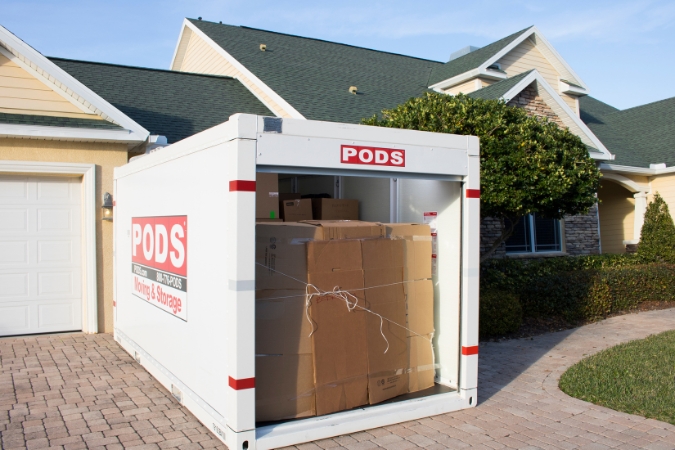
A military move comes down to control vs. convenience — choose HHG or PPM based on your needs.
Which Move Is Really the Best Choice?
Deciding between an HHG and a PPM is one of the most significant decisions that you’ll make during the moving process. Both of these options have their own distinct advantages, but ultimately, the best choice will come down to your household size, the amount of goods you’re moving, and how you’re able to deal with physical labor.
Pros & Cons of HHG
The hands-off approach of an HHG move might be the most convenient, but there are certain risks to take into consideration as well.
The pros:
- Professional military movers cover all of the labor.
- If you have a high volume of goods or are moving with young children, the HHG move is a great way to save time and make the overall process less stressful.
The cons:
- The main disadvantage of an HHG move is the loss of control. You’re at the mercy of the military movers’ schedule, and delays in pickups and deliveries can be very common during the peak moving season between May and August.
- Even though there is a claims process in place for broken or lost goods, the process can be time-consuming, and some items are just too sentimental to truly replace.
Pros and Cons of The Personally Procured Move (PPM)
The PPM or do-it-yourself move can allow you to get things done on your own schedule. However, there are risks to consider when you don’t have as much assistance.
The pros:
- The government reimburses service members for the move via military allowances and tax incentives, covering the cost of a professional crew, renting a truck, or buying boxes.
- Some people might be more wary when their prized possessions are in the hands of others, and a PPM move ensures that your belongings are never out of sight, and you won’t have to wait any longer for them to arrive at your new home.
The cons:
- A PPM can be grueling, especially if you have a larger household and have to move a lot of items. If you’re moving alone or without kids, the physical labor aspect won’t be as bad.
- Alongside labor, you have to figure out all the logistics on your own.
FAQs — Military Move Reimbursement
Q: Can the military reimburse me for my moving expenses?
A: Yes, the military will provide a package of reimbursements and allowances to cover most essential expenses.
Q: How much will the military pay me to move myself?
A: The exact amount the military will pay for a PPM can vary based on your rank, total weight moved, number of dependents, and the distance. The standard incentive for this type of move is that they will pay 100 percent of what it would have cost to use a commercial moving company.
Q: How to get reimbursed for a military move?
A: First, you must secure the proper authorization before a move, and then you will submit a request for military moving reimbursement once you arrive. (Keep all your receipts and important documents!)
Q: Does the military help with moving costs?
A: Yes! The military covers all your moving costs. Most moving costs will be paid directly by the government or reimbursed through a service member's request.
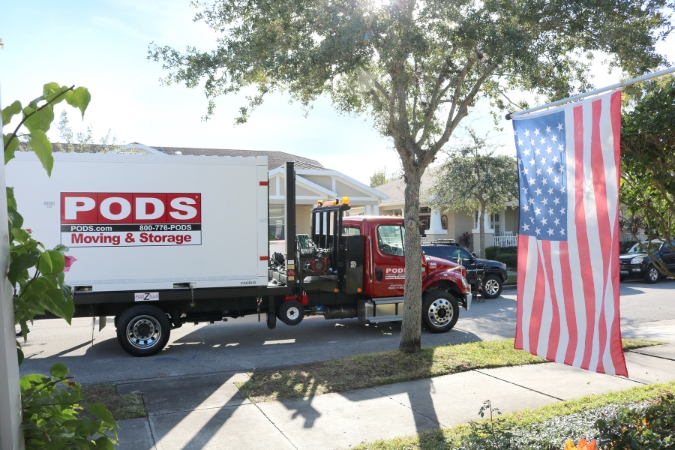
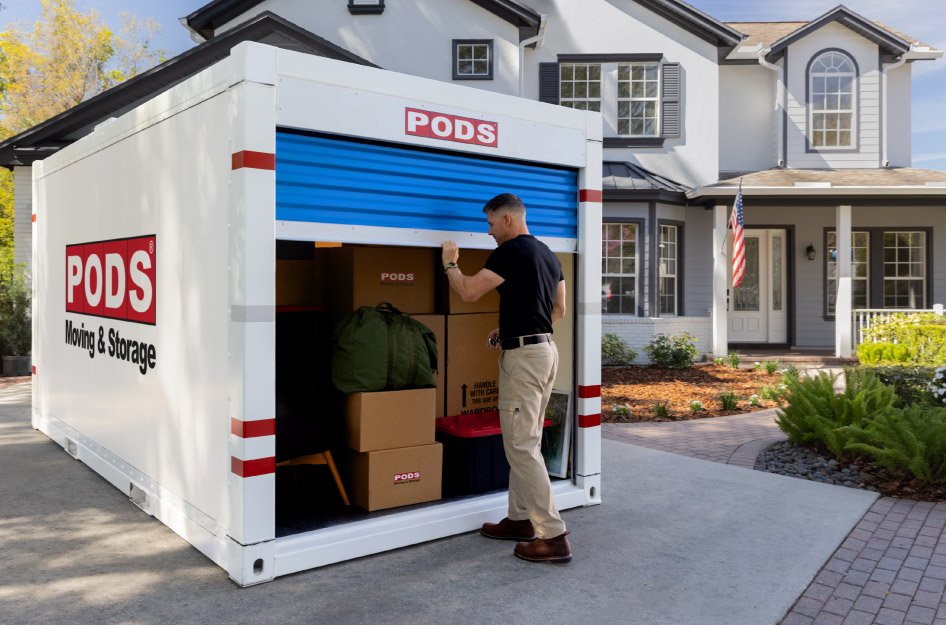
Make your military move flexible with a PODS portable storage container delivered right to your home.
Make Your Military Move Flexible With PODS
Ready to start planning your military move? You can PPM with PODS and save with the PODS military discount! With one month of storage built into every move, you can pack and load without feeling rushed. You’ll be reimbursed for what military movers would have cost, so you may even end up making a profit!
Have your container delivered right to your new home or — if you need more time before delivery — store it in a secure PODS Storage Center until you’re ready to unload.
Visit PODS online to get a free moving quote for your local military move or call 866-556-9574.
*This article was written on behalf of PODS Enterprises, LLC (“PODS”). PODS does not warrant the completeness or accuracy of any information contained in this article and disclaims any liability for reliance upon the content herein.

Your quote in 60 seconds
Get pricing tailored to your needs!
Related Articles
The Only PCS Moving Checklist You Need: How To Maximize Your Move (and Your Savings)
Military Moving
Read more

L.A. Bound? Make the most of your military moving experience
Military MovingLos AngelesCalifornia
Read more