15 Pros and Cons of Living in Florida: The Real Deal on Life in the Sunshine State
Florida

TL;DR: Pros and Cons of Living in Florida Pros:
Cons:
|
Is Florida a good place to live? Well, it’s home to seven of the top 20 fastest-growing places in the nation, if that tells you anything. From excellent financial perks (no state income tax!) and exciting attractions to abundant natural beauty and world-renowned beaches, there are plenty of reasons why so many people are heading south for more than just a summer vacation. But of course, there are challenges when it comes to living in Florida — as there are anywhere — so if you’re among the many considering a move to the Sunshine State and want more details before diving in, read on for a look at the pros and cons of living in Florida.
| Planning a move to the Sunshine State? Start by getting a free moving quote from PODS. |
Fun Facts About Living in Florida
- The “Sunshine State” earns its nickname with an average of 237 days of sunshine per year.
- Florida is the only state bordering both the Atlantic Ocean and Gulf of Mexico — plus, it’s home to some of the best beaches in the world.
- The orange blossom is Florida’s state flower.
- Florida has more than 8,436 miles of coastline, second only to Alaska.
- Florida has more than 1,100 golf courses to choose from — with a whopping 48 million rounds played every year.
- A record-breaking 143.3 million people traveled to Florida in 2025, making it the top travel destination in the U.S.
- Greater Miami is the only metro area in the U.S. to border two national parks: Everglades National Park and Biscayne National Park.
15 Pros and Cons of Living in Florida
Ready to weigh the pros and cons of living in Florida for yourself? Below, we break down 15 of the biggest upsides and trade-offs of Florida living — from tax perks and beaches to hurricane season and rising insurance costs — so you can decide if the Sunshine State fits your lifestyle.

Festivals abound in Florida, where the culture is heavily influenced by the immigrants who settled here.
(Source: David Daza via Pexels)
1. Pro: There’s Lots of Cultural Diversity
Florida has a rich history and vibrant culture, with food, music, and architecture heavily influenced by immigrants from Cuba, Spain, and Italy — among other places. The Sunshine State also ranks third in the nation for diversity, measured in terms of socioeconomic, cultural, household, religious, and political makeup.
2. Con: Florida Is Full of Tourists
This one ranks high on the list of pros and cons of living in Florida: Tourists. As in, M-I-C-K-E-Y. All the attractions are great for the economy, but there’s a bit of a downside for some residents. Why? Traffic can be unbearable during snowbird season, and overcrowding in the state’s famous amusement parks makes visits no fun for locals. (Pro tip: Avoid the Disney holiday crowds with these tips.) Still, Floridians shouldn’t bite the hand that feeds them: Tourism and travel generated $133.6 billion in 2024, saving Florida households nearly $2,000 in taxes — each.
3. Pro: Sports Enthusiasts Have a Lot To Choose From
This is a sports-loving state — which many might say includes both pros and cons of living in Florida. But many professional teams call the state home, including the NBA’s Miami Heat and Orlando Magic; the NHL’s Florida Panthers and Tampa Bay Lightning; the NFL’s Miami Dolphins, Tampa Bay Buccaneers, and Jacksonville Jaguars; and the MLB's Miami Marlins and Tampa Bay Rays.
But when it comes to football, you'll find that (most years) the college teams dominate the landscape. The "Big Three" in Florida are the Florida Gators, Florida State Seminoles, and Miami Hurricanes. The UCF Knights and USF Bulls are on the rise, too, with growing and passionate fan bases staking their claim. Even if you didn't attend these colleges, you may find yourself choosing a side come fall. Playoff season in Florida is always a fun time, and you’ll never have a problem finding a restaurant anywhere in the state to catch a big game.
Field pro sports aren't the only show around. Daytona is home to NASCAR races and the iconic Daytona 500. Homestead in South Florida also hosts an annual NASCAR race. If you’re more of an IndyCar fan, though, the St. Pete Grand Prix happens every spring on the state’s West Coast.
4. Con: Public Transportation Is Lacking
Unfortunately, Florida doesn’t promote accessibility as much as many other states when it comes to public transportation. A few college towns like Gainesville and Tallahassee have convenient bus routes, but for the most part, the state is very car-reliant.
In some Florida cities, though, golf carts are the preferred mode of transportation — some retirement communities, such as The Villages and Sun City Center, only allow golf carts on most streets. Heavy tourist areas like Orlando provide shuttle service between popular destinations. But generally speaking, it’s hard to get around Florida without a car.
5. Pro: There’s No State Income Tax
If you're not happy with the amount you pay in taxes, moving to Florida could be a solution. You won’t have to pay state income tax, and you’ll also find a low six percent sales tax (although there are jurisdictional rates in many places). Taking into account income, sales, and property taxes, the Sunshine State had the fourth-lowest overall tax burden in the nation in 2025 — for many potential residents, one of the most enticing benefits of all the pros and cons of living in Florida.
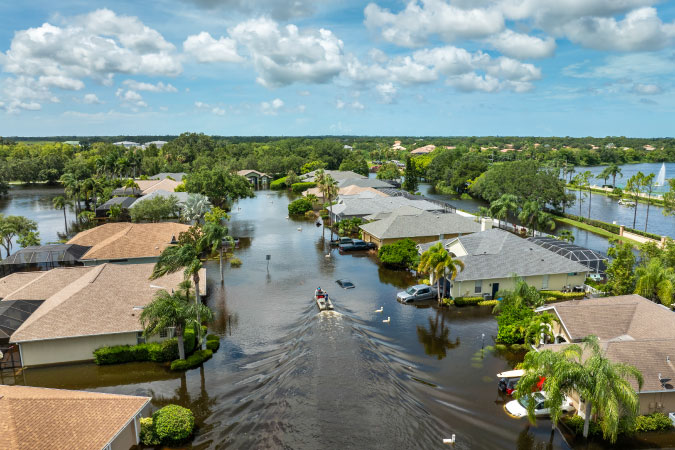
Home insurance rates in Florida are especially pricey due to the risks associated with hurricane season and the large number of vulnerable coastal properties in the state.
6. Con: Insurance Rates Are High
The state is among the most expensive for auto insurance, and because of Florida’s geography and climate, natural disasters have contributed to high home insurance costs, too (hello, hurricane season).
Homeowners in Florida pay annual premiums that are about 181 percent higher than the national average, with a heavy reliance on reinsurance. (Think of reinsurance like insurance for insurance companies.) These firms have hiked their premiums substantially in recent years — especially after massive hurricane damage from 2024’s Helene and Milton — and the market is taking the hit.
Renters aren’t facing quite the same issues, though. Rental insurance in Florida is just a smidge higher than the national average, meaning you’ll pay an average of $152 per year rather than $151.
7. Pro: Residents Save on Theme Park Tickets
If theme parks are your cup of tea, then you’ll be happy to learn that Florida residents enjoy various discounts when it comes to the state's top attractions, including Orlando’s Universal Studios; Tampa’s Busch Gardens and Adventure Island; and even the coveted Disney parks.
8. Con: Average Home Prices Are Higher Than the National Average
Compared to the national average of $368,700, Florida’s average home price is a bit more expensive at $375,500. And while it’s certainly more affordable for those moving to Florida from California or New York, the housing market in Florida coastal cities like Fort Lauderdale and Miami can still get quite pricey.
Certain areas in Florida — St. Petersburg on the West Coast, for instance — are affordable without skimping on great amenities. Among the pros of living in St. Petersburg are easy access to Tampa, proximity to beautiful Gulf Coast beaches, delectable dining options, and a diverse arts and culture scene. And if you want to escape cities altogether, small towns in Florida offer even better home prices.
9. Pro: The General Cost of Living in Florida Is Attractive Overall
While housing may be more expensive in Florida, the state's overall cost of living is just 3.1 percent above the national average index. Not too bad!
10. Con: Natural Wildlife Can Get Scary
Florida's subtropical climate is the perfect hotbed for biodiversity. This means beautiful nature — but it comes with risks.
Snakes
Did you know there are over 40 species of snakes in Florida? Only a few are venomous, but it's still important to be on the lookout when you're walking outside. Definitely avoid going barefoot in certain areas (sugar sand Florida beaches not included)!
Gators
Gators are commonly found in freshwater throughout Florida, even in neighborhood ponds. While they aren’t generally known to be aggressive toward people, foolish human behavior can result in serious injury — and even death. Gators can run as fast as 35 miles per hour, so ignore the people who tell you to run in a zigzag from them. Bottom line: If you see a gator, give it lots of space. And for goodness sake, don’t feed it.
Bugs, Bugs, and More Bugs
Mosquitoes, fire ants, and palmetto bugs are also critters you’re going to encounter, no matter how hard you try to avoid them. They just come with Florida living.
Pet owners beware!
|

Florida’s climate is ideal for growing tomatoes, peppers, strawberries — and oranges, of course!
(Source: Roman Odintsov via Pexels)
11. Pro: It’s a Gardening Paradise
Florida offers fertile soil and long growing seasons that are ideal for cultivating various crops — oranges top the list, of course, second only to California in volume. Among the state’s other abundant vegetables and fruits are tomatoes, peppers, and strawberries — Plant City, in fact, just outside Tampa, is known as the Winter Strawberry Capital of the World.
12. Con: Life in Florida Means Hazardous Weather
Florida is prone to intense storms and flooding, and it can be stressful come rainy season — which, thanks to climate change, is increasingly almost year-round. Flash floods and water damage can be incredibly dangerous and unpredictable, so we advise you to research flood zone information around your potential home ahead of time.
And then there’s hurricane season from June 1 through Nov. 30. Find out what needs to be in your hurricane kit — and don’t delay making a plan for where you’ll go if you need to evacuate. As for insurance, most policies come with a hurricane deductible, so be sure to check that out. When you’re weighing the pros and cons of living in Florida, do take into consideration the stresses of hurricane season. As any local can tell you, the season ain’t beanbag.
13. Pro: You Can Easily Admire the Gorgeous Flora and Fauna
Florida is a beautiful place to live if you love nature. Its diverse landscape of forests, wetlands, swamps, coral reefs, spring-fed rivers, and sugar-sand beaches provides habitats for many different animals and plants. Among the most popular flowers in Florida are the lantana, hibiscus, and blue daze. The state also has numerous tree species that provide important habitats for wildlife (not to mention much-needed shade).
Bird-watchers are in heaven here, too, with herons, pelicans, roseate spoonbills, and many more iconic Florida feathered friends all over the state. Check out the Florida Birding Trail, a network of more than 500 prime bird-watching sites from coast to coast. The Everglades is another beautiful destination with lots of wildlife to experience and explore — but remember: Don’t feed the gators!
14. Con: There’s Not Much Changing of the Seasons
If you’re a fan of snow, springtime blooms, and colorful leaves in the fall, moving to Florida may be sad for you as the seasons change. Seasons changing in Florida can be split into two categories: Hurricane season (June through November) and then the time when mornings and evenings are below 80 degrees (December through May).
Florida is known for its mild climate throughout the year, as it only gets slightly colder in certain parts of the state (you might get to see frozen iguanas, though). Summer temperatures can reach 90+, and with heavy humidity, real feel temperatures can push triple digits, and it can be downright nasty to be outside for too long.
15. Pro: You Can Enjoy the Best Beaches in the Country
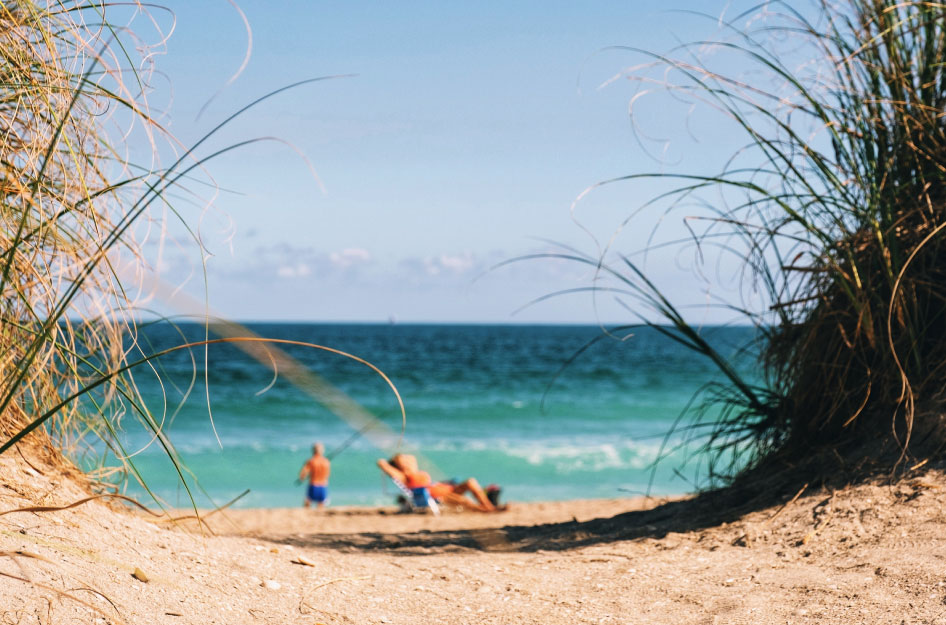
Among all the pros and cons of living in Florida, gorgeous beaches get top billing on the plus side. They’re one of the main reasons why people move to Florida, from the Gulf Coast’s beautiful sands to the tropical vibes of Key West. Among the state’s many family-friendly coastal destinations, Panama City Beach, Clearwater Beach, and Palm Beach are some of our faves.
Check out what life is like in these Florida cities: |
Pros and Cons of Living in Florida — FAQs
Q: What is the quality of life in Florida?
A: Weighing the pros and cons of living in Florida and how they impact quality of life really comes down to your personal preferences. If you don’t mind the heat and enjoy outdoor living, theme parks, and beautiful beaches, then the quality of life in Florida is good!
Q: Should I move to Florida or California?
A: It’s important to consider your specific preferences and circumstances, but if income potential is among your criteria, California might be a better bet than Florida: Golden State job opportunities are abundant. But on the flip side, both the taxes and the cost of living are higher in California. If a laid-back lifestyle is your vibe — or maybe retirement is on the horizon — moving to Florida may be the right choice for you. But do weigh all the pros and cons of living in Florida and then make your call.
Q: Why are people moving to Florida?
A: Florida living means year-round warm weather, an escape from shoveling snow, and no state income tax — just to name a few reasons.
Q: How much money do you need to live comfortably in Florida?
A: According to MIT’s Living Wage Calculator, a single person living in Florida without children should make at least $50,000 annually before taxes to cover typical expenses. To live comfortably in Florida, you should earn about twice that.
Q: Is Florida worth living in?
A: The short answer? Yes — just for the sunshine alone. Add to that guaranteed visits from family and friends up north, and you may not even need to peruse the pros and cons of living in Florida!
Q: What is the best area to live in Florida?
A: The landscape and culture of the Sunshine State vary widely from coast to coast and north to south in many ways. The best area for Florida life depends on your vibe: Beach life, city buzz, family burbs, or laid-back charm — Florida’s got it all.
Q: Can I live in Florida on $3,000 a month?
A: Based on the state’s average cost of living, a single adult would need about $4,150 a month before taxes to cover typical living expenses in Florida. However, if you lived in a smaller, more affordable Florida town, you could likely make $3,000 a month work.
Q: What is the downside to living in Florida?
A: If there's one standout downside to living in Florida, it's the cost and risk tied to hurricane season — high home and auto insurance premiums, the threat of storms and flooding from June through November, and above-average home prices in many areas. Other negatives of living in Florida (and some of the most common reasons people leave) include intense summer humidity and heavy tourist traffic.

Have a PODS portable moving container delivered right to your driveway, where you can pack and load on your own schedule.
Ready To Experience the Pros and Cons of Living in Florida?
Florida living means sunny winters, lots of beaches to explore, fun things to do, and a reasonable cost of living overall. It also means brutally hot and humid summers, hurricanes, and snowbird season. Weighing the pros and cons of living in Florida ultimately comes down to what matters most to you — but for many new residents, the year-round sunshine and laid-back lifestyle make the trade-offs worth it.
Make your move to Florida flexible with PODS portable moving containers. Have a container delivered right to your driveway, where you can pack and load on your own schedule. If you'd rather not handle the heavy lifting yourself, PODS can refer you to local packing and loading services. When you’re ready, your container will be picked up and transported to your new home in sunny Florida. And one month of storage is built into every PODS move, so you can take your time without feeling rushed.
Visit PODS online for a free local moving quote or call 877-350-7637 for long-distance moving.
Editor’s note: For ease of reading, home values were rounded to the nearest $100.
(Source for image featured at top: Baron Alloway via Unsplash)
**This content was refreshed with the assistance of artificial intelligence. It was then fact-checked, proofread, and edited by the real-life intelligence of the PODS Blog team. PODS however does not warrant the completeness or accuracy of any information contained in this publication and disclaims any liability for reliance upon the content herein.

Your quote in 60 seconds
Get pricing tailored to your needs!
Related Articles
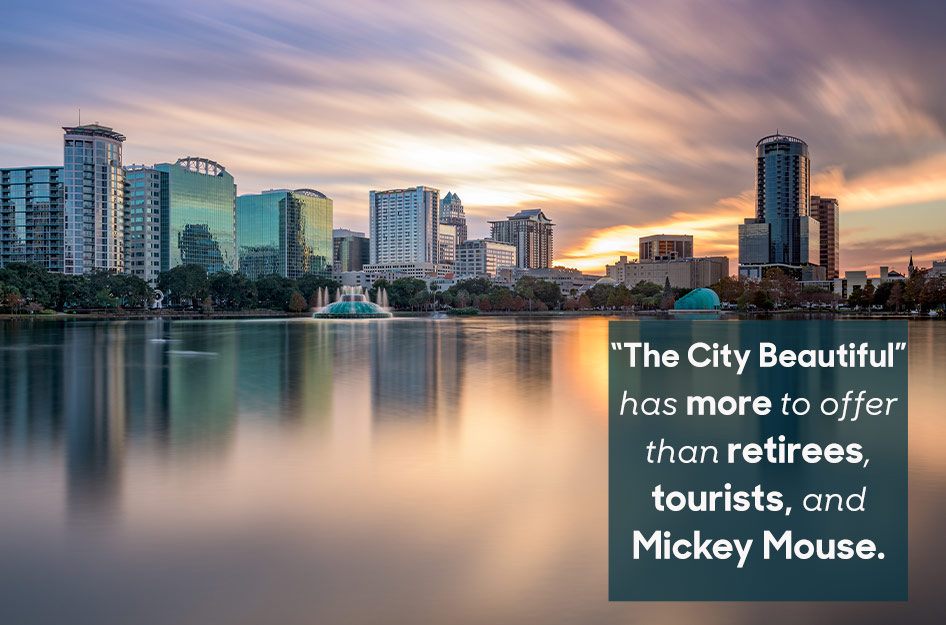
Retiring in Florida: The Pros and Cons of Calling the Sunshine State Your New Home
RetirementFlorida
Read more