How To Cut Moving Costs: 11 Tips To Help Save Your Wallet
Moving Tips and Hacks

It’s no secret that moving can be a stressful and often costly venture. And without a plan in place, you can pretty much guarantee that getting from point A to point B will end up being a much bigger expense than you bargained for. Want to know how to cut moving costs and successfully relocate without breaking the bank? Take a look at these money-saving moving tips. You’ll be a budget-savvy mover before you know it!
| Planning a move? Start by getting a free moving quote from PODS. |
11 Tips for How To Cut Moving Costs
From planning ahead to getting creative with your packing products, these 11 tips give you ideas for how to cut moving costs at every stage. Even if you’re worn out by the time moving day ends, your budget will still be standing.
1. These 5 Factors Can Help You Decide How To Cut Moving Costs
The Season
Are you moving during the summer? It’s the most popular time of year, so there’s limited availability for moving solutions — which means prices could be higher. Moving during the off-season can help you find lower moving costs and more affordable movers.
Your Belongings
The more items you have, the more it costs to move them. A thorough decluttering is a great idea. And depending on the services and moving company you hire, you may be charged extra to move large items like a piano or to disassemble and re-pack furniture.
The Distance You’re Moving
Whether you’re moving locally or out of state will make a difference in the cost, of course. And if you’re headed from coast-to-coast, there’s a whole host of things to consider before hiring cross-country movers.
The Moving Option You’ve Chosen
Hiring professional movers is typically the most expensive way to go. There are plenty of benefits to that option, but it’s pricey. Going DIY with a moving truck rental is likely the cheapest answer when you’re planning out how to cut moving costs. But depending on fuel prices and whether you have a pack of willing and able pals ready to do some heavy lifting, it might not be the most practical option. With PODS for your moving services, you can choose your container size, take your time with packing and loading, use secure storage solutions for your things if you need to, and (the best part?) you don’t have to drive a big rental truck.
2. Declutter Before Getting Quotes From Moving Companies
Now is the perfect time to purge your home — before you even think about starting the search for movers. Why pay to pack and load and unpack boxes of things you don’t use anymore? Take the advice of decluttering guru Marie Kondo: Sort, simplify, toss, and move on.

Tracking expenses makes it easier to build a budget when looking for how to cut moving costs.
(Source: Mikhail Nilov via Pexels)
3. Assess Your Finances and Create a Realistic Budget
If you’re not already tracking your income and expenses, your move is a great time to start. Budgeting apps like Monarch and YNAB (Yes, that’s the name. Short for “You Need a Budget.”) are great tools to help you monitor your spending habits. They make it simple to separate your spending into categories. From there, you can determine how much to budget for your move — and get ideas for where and how to cut moving costs.
The cost of a move varies greatly from a few hundred dollars for a small, local move to $10,000 or more for a cross-country move. When you’re thinking about how to save money on moving costs, you’ll need to consider things like:
- Where you’re moving
- What you’re moving
- What you already have vs. what you need
- Your living situation
Once you’ve nailed down the details, you’ll have a better idea of how much you’ll need to prepare for the move.

Even if you know how to cut moving costs, it’s a good idea to save a little extra — just in case.
(Source: www.kaboompics.com via Pexels)
5. Save Up Before Moving Day, Just In Case
It’s always a good idea to have a little extra padding in your wallet. We recommend saving up at least three months of expenses before your move — especially if you’re looking at how to cut moving costs. You never know what might end up costing extra if you can’t pay right away.
6. Compare Moving Costs — and Don’t Be Afraid To Negotiate
Research and compare companies and price points. This is really where you’re going to save a lot of your money. Make sure to start this process at least a month in advance — because just like with travel plans, booking early can help you avoid moving anxiety that comes with doing things at the last minute.
Many moving companies are open to the idea of beating competitors’ prices, especially in slower times, so negotiating a better deal can be fruitful. Be aware, though, that so-called budget movers are rarely cheap when you get down to the nitty-gritty. And keep your eyes and ears open for moving scams: Red flags are relatively easy to spot if you’re vigilant.
7. Cash In on Rewards and Travel Deals Before the Big Day
Pretty much every establishment has a rewards program these days. Use that to your advantage when you’re moving — especially if you’re making a long trek! With a little prep-work, you can score a discount on everything from hotel rooms to gas and food along the way.
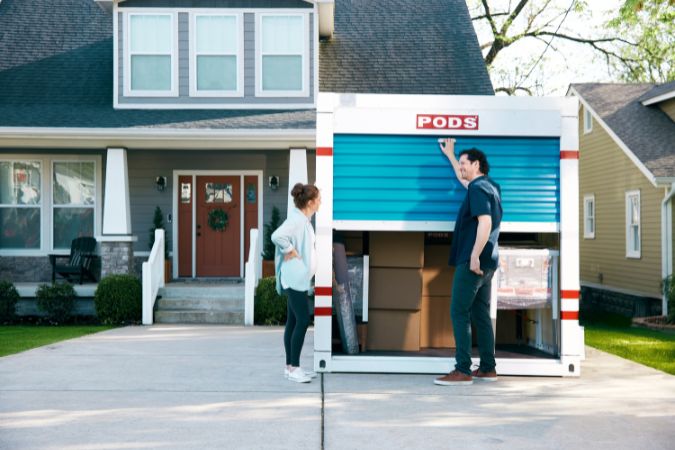
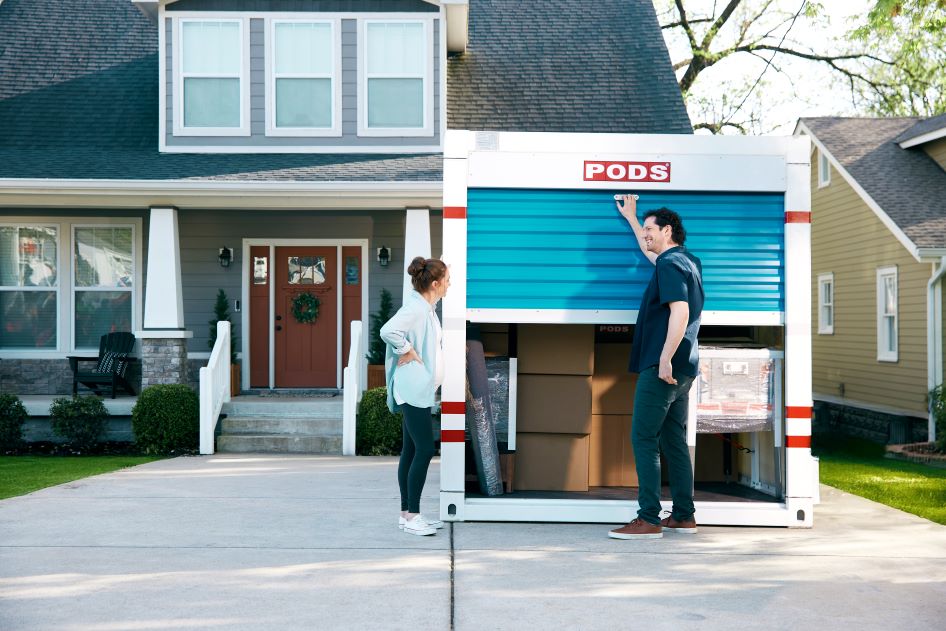
With PODS portable storage containers delivered right to your driveway, packing and loading for your move happens at your own pace.
8. A Hybrid Approach Can Help You Save Moving Costs
Who says you have to stick with one moving solution? To get the most bang for your buck, consider mixing it up. For example, pack everything yourself and just hire professionals for a couple of hours specifically for the heavy lifting. Better yet, go a step further and get your friends and family involved (who doesn’t want free pizza?). If you’d rather not drive a moving truck, but also don’t want to pay for full-service movers, make your move “hybrid” and flexible with PODS moving containers. You pack and load, and PODS delivers your container right to the driveway of your new home.

Getting creative with packing materials is a great way to save money on moving costs.
(Source: RDNE Stock project via Pexels)
9. Get Creative With Moving Materials
Packing supplies like boxes, paper, tape, and blankets don’t seem expensive on their own. But just like that daily cup of coffee, they add up quickly. Make a moving shopping list first and foremost. Then check out these hacks to make you a moving ninja. You may find some real savings with these ideas:
Moving Boxes
Moving boxes are recommended, but there are other options. Local businesses may have some free boxes for the taking. A lot of businesses will break down boxes and pack them for recycling right away, so call ahead and check availability. You can also check out Facebook to see if any neighbors have gently used boxes they’re giving away.
Packing Paper
Instead of buying packing paper or bubble wrap to pack away your picture frames, dishware, and other fragile items, turn to your linens. Sheets, towels, scarves, and soft, bulky winter gear are all great ways to protect things that might get damaged during your move.
Bins and Baskets
Repurpose some bins, baskets, and containers to pack up clothes, shoes, and bathroom items. Shoe boxes and reusable food containers are great for toiletries, smaller kitchen utensils, and accessories. And old tackle boxes are a great way to store accessories and eliminate the headache of tangled jewelry. If you don’t have a tackle box, you can try placing necklaces and bracelets into each finger of a rubber glove before tying or taping it closed. Genius!

Don’t give in to takeout and delivery! Using up what’s already on hand is one of many ways to save money on your move.
10. Finish Up What’s In Your Kitchen
In the throes of planning and packing, you might think takeout and delivery are the easiest options for feeding your family. But eating out three times a day can put a serious strain on your wallet. To ease the burden in those frantic weeks before moving day, take a full inventory of your kitchen. Plan your meals for the remaining time with the intent of eating your frozen and perishable foods first.
You can also save some dough (pun intended) by packing a kitchen essentials box. This should include things needed to tide you over for at least 72 hours, so that you don’t have to buy all new stuff when you get to your new house — healthy snacks, paper towels, and water are a good start.
11. Save Your Receipts for Tax Time
Finally, some good news: If your move takes you at least 50 miles away for a full-time job, you can deduct certain expenses on your next tax return. Make sure to keep receipts for things like packing materials, transportation, and even storage — and send them all to Uncle Sam.

Planning thoroughly — and early! — with checklists, timelines, and a budget is essential for making your moving costs manageable.
How To Cut Moving Costs — FAQs
Q: What is the most expensive way to move?
A: Not surprisingly, the most “hands-off” option is pretty much guaranteed to be the most expensive way to move. Want to take all the packing, loading, driving, unloading, and unpacking off your list? You can! You just have to be prepared to chalk up some moolah.
Q: What is the most cost-efficient way to move?
A: If you’re looking for cost efficiency, definitely go the DIY route. Pack your belongings, rent a truck, and enlist friends and family to lend a hand. If the idea of driving a moving truck across the country is daunting, consider a hybrid move with PODS portable moving containers — still more cost-efficient than hiring full-service movers.
Q: Why is moving so expensive right now?
A: Whether it’s gas (especially if you’re renting a truck), furniture shipping, new furniture, supplies, other travel expenses, or packing and loading assistance, moving is a lot to handle at one time. Add all that to the expenses of buying or leasing a new home, security deposits, and any other unforeseen expenditure, and it’s easy to see yourself digging for loose change in the couch cushions.
Q: Can you negotiate with moving companies?
A: Yes, you can negotiate with moving companies on your moving costs. You can also work with other entities involved in your move. For example, if you’re moving to pursue a career opportunity, ask your new employer about covering costs for your job relocation. See if it’s possible to negotiate your monthly rent or spread deposits and initial fees over a few months. And if you’re buying a house, look at closing costs or renovations and repairs as options for negotiation.
Q: How can I reduce my moving costs?
A: To save the most money on your move, start by asking around for free items, like boxes, paper, bubble cushioning wrap, and other packing supplies. You can also get creative with what you already have in your home.
Make Your Move Flexible With PODS
Now that you've figured out how to cut moving costs and you’re ready to make your move to a new city, PODS portable moving containers provide the flexibility to make everything come together. Your storage container is delivered right to your driveway so you can pack and load at your convenience. And if you need extra time in your new city to find a home, one month’s storage is built into the cost of every move. Looking for some help with the heavy lifting? PODS can refer you to packing and loading services to lend a hand.
Visit PODS online for a free local moving quote or call 877-350-7637 for long-distance moving.
Kat Piccolo is a St. Petersburg-based freelance writer whose only roommate is their cat. A frequent PODS Blog contributor, Kat loves finding ways to make moving into new spaces simple and stress-free. Between yearly apartment hopping, you can find them on the waterfront or experimenting with new ways to make coffee.
*This article was written on behalf of PODS Enterprises, LLC (“PODS”). PODS does not warrant the completeness or accuracy of any information contained in this article and disclaims any liability for reliance upon the content herein.

Your quote in 60 seconds
Get pricing tailored to your needs!
Related Articles



Top Tips for Moving Out of State (Plus the Moving-Out-of-State Checklist You Definitely Need)
Moving Tips and Hacks
Read more
What is a Moving Loan? Your Essential Guide to the What, When, Why, and How to Use a Loan for Your Next Move
Moving Tips and Hacks
Read more
Moving While Working Remotely? 5 Tips To Make It Easier & 5 Hotspots Remote Employees Are Moving to in 2026
Moving Tips and Hacks
Read more

Moving Out For the First Time Checklist: A Step-by-Step Guide To Leaving Home
Moving Tips and Hacks
Read more