
Moving With Cats? Check Out These 12 Purr-fect Tips
Moving Tips and Hacks

Moving is already stressful, but when you add in the logistics of moving with cats, things can become very complicated. Whether you’re moving across the country and preparing to fly or getting the car ready for a move a few states over, there are steps you can take to make the entire experience easier on everyone. We’re here with 12 of the best tips for moving with cats to help you get started.
Where to Start When Moving With Cats
Besides preparing ahead of time with the moving with cats tips we’re about to share, it’s important to know the common signs of cat anxiety — like changes to their coat or going outside of the litter box — so you can know what to look out for throughout the moving process.
1. Get Vet Visits and Vaccinations Out of the Way
Once you know you’ll be moving with cats, book a vet appointment to make sure you’re up to date on their vaccines and ask the vet about any anxiety symptoms they’re experiencing. For the trip itself, the vet might suggest a mild sedative or anxiety relief medication to help make travel less stressful.
 Microchipping can give you peace of mind while moving with cats, helping you reunite with them if they were to get lost somewhere along the way.
2. Register Your Cat’s Microchip
When moving long-distance with cats, it’s essential to have them microchipped — and to register those microchips online with personal information like your pet’s name and your telephone number. If your cat gets lost any time during the move and is brought to a vet or shelter, they’ll scan their microchip to contact you.
3. Decide How You’ll Be Traveling
The most common ways to move with cats are by plane or car. Both come with their pros and cons, so it’s important to consider your cat and their unique needs before making your decision.
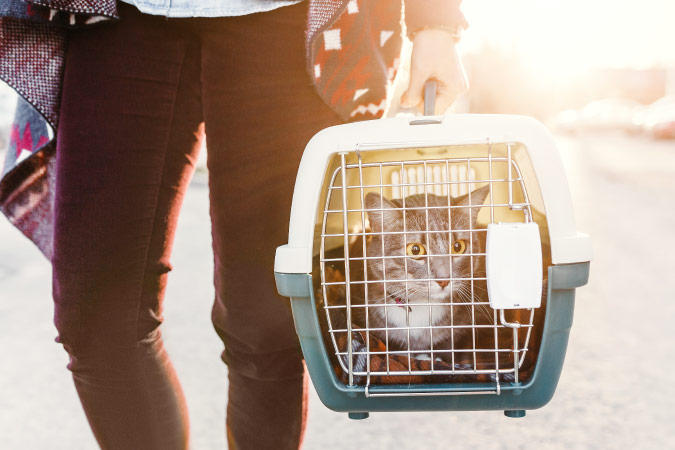
Investing in a secure carrier that’s comfortable and large enough for your cat is one of the best tips for moving with cats — and if you’re moving with multiple cats, each cat should have its own carrier.
Moving with Cats by Airplane
Flying successfully with your cat begins long before you venture to the airport. Here are a few tips for moving with cats by plane.
4. Stay Together When Possible
First, check whether your cat can travel in-cabin with you, in a carrier under the seat in front of you. Each airline has specific weight requirements and crate dimensions you’ll have to abide by. You’ll also need to have some paperwork, like:
- Health certificate or a certificate of veterinary inspection
- Vaccination records
- Any necessary medication documents
You can only get most of these from a licensed veterinarian, so it’s essential to schedule an appointment well ahead of your flight.
In some instances, your cat might not be able to fly in the cabin, in which case they’ll have to go in the plane’s cargo hold. Opinions over pets traveling this way vary, but having them in the cabin with you is undoubtedly the best option, so look for an airline that can accommodate them.
5. Know How to Move Through Security
Your cat will have to come out of their carrier when they get to the TSA checkpoint. They can’t go in the X-ray tunnel, so you’ll have to carry them through the metal detector with you.
If your cat has a tendency to run, put them on a leash so they can’t escape while you go through security. Some airports offer private rooms for pet security checks, and while these aren’t guaranteed, it’s always worth asking.
6. Get a Good Carrier
You’ll need to get a good airline-approved carrier that’s cozy but still big enough for your cat to stand, sit, and turn around comfortably. Talk to your vet about whether you should limit your cat’s food or water intake shortly before the flight to prevent them from getting sick or needing to use the bathroom, depending on the flight length.
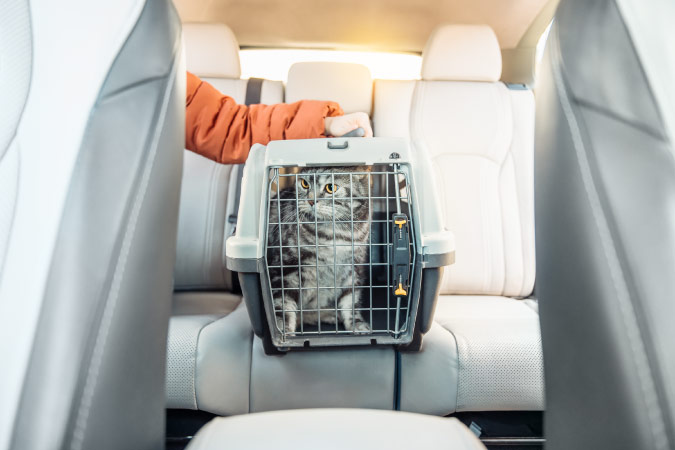
Long-distance moving with cats by car can be stressful, but taking them for short drives in preparation can help them see it’s not so scary.
Moving With Cats by Car
Moving long-distance with cats by car is slower, but it has its perks: It’s less chaotic than the airport, and you can stop every few hours to give them access to water and their litter box. There are still some tips for moving with cats to consider while driving, though.
7. Get Them Used to Their Carrier (and Driving!)
Prepping your carrier begins, ideally, a few months before you and your cat move. Leave their carrier door open and place it near their favorite spots in the house. Make it soft and comfortable, and consider keeping their food and water bowls in it. If your cat is used to being in their carrier, and even better, if they love it, travel will be a breeze.
If you’re moving with cats via car, having a secure carrier that they’re comfortable in is extremely important. Should they escape, they could access the driver’s seat area (which is full of potential risks) or even bolt out the door. If you can, it’s also a great idea to get your cat used to driving. Take them out for small trips as often as possible, leading up to the move.
8. Gather Travel Essentials
Once you have their carrier, it’s time to pull their travel essentials together. Here are some of the most important items you’ll need on hand:
- Paperwork
- Food
- Water
- Leash and harness/collar
- Toys
- Travel bowls
- Travel litter box
- Bags of litter
- Items with familiar scents
9. Find Pet-Friendly Accommodations
If your drive is long enough, you’ll also need to consider pet-friendly hotels along the way. It’s important to time your trip right if you have to give them medications, as you’ll be able to stop at your hotel once they start to wear off and they're feeling restless.
Having items (think: blankets, pillows, and other soft items) with a familiar scent is very helpful in new places, as they give your cat a sense of comfort that only home can provide. Putting one in their carrier can help your hotel for the night feel more like home for them.
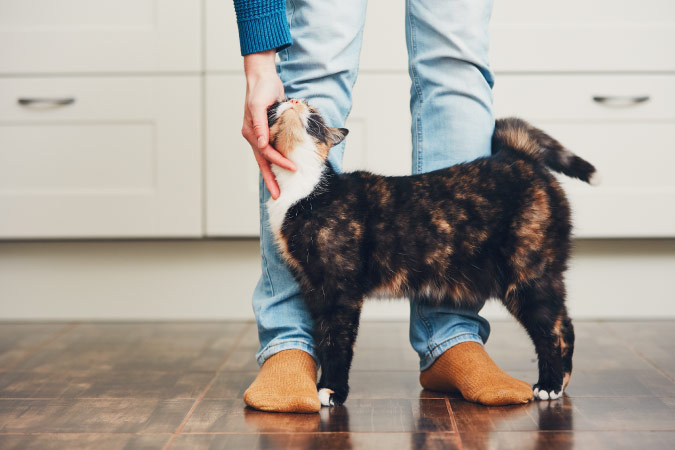
Whether you’re moving with multiple cats or just one, remaining calm yourself can help signal to them that they should feel safe.
Top Tips for Moving with Cats (No Matter How You Travel)
10. Trust the Moving Pros
No matter how you’re traveling, moving with PODS can help keep your furry family members happy and comfortable. Learning how PODS works to make your move simpler is a breeze — the PODS container will carry your things to your new home while you and your cat drive or fly to your destination, so no worrying about towing a big rental truck or trailer.
You’ll have plenty of time to pack and load your PODS container, and then do it all over again once you’re at your new home. Packing things up at your own pace can remove a lot of the stress that your pet might otherwise feel throughout the process. That means more time to get settled in and less stress for Whiskers.
11. Keep Calm
Remember, your cat takes emotional cues from you. There will be stressors no matter what when you’re long-distance moving with cats, but staying relaxed and working to create a calming environment can make a big difference in how well they endure the journey and settle into their new home.
12. Help Them Settle in Slowly
When you’re moving with pets, stick to their established routine leading up to the move, and when you get to your new home, so they know what to expect in their new environment.
Once you arrive at your new home, keep them in one area for the first few days at least. The bathroom is a great place to keep them safe (especially as you unpack around them) while still giving them space, since there aren’t a lot of soft furnishings or breakables for them to damage if they’re upset. Once they’re used to the bathroom, you can start introducing them to one room at a time.
Moving With Cats — FAQs
Q: Can you move cross-country with a cat?
A: You can absolutely move cross-country with a cat. It might sound like a complicated process, but with the right preparation, getting your feline family member to their new home is a cinch.
Q: How do you travel 12 hours with a cat?
A: The best thing you can do for your cat during long-distance travel is to keep things as quiet as possible for them. This can be difficult in an airport or on an airplane, but staying calm lets them know they’re safe. If you begin to panic or stress, they’re going to do the same.
Q: What is the best way to transport cats long-distance?
A: Your best travel options depend on your cat. If they’re healthy and handle stress well, traveling by plane might be a great option. It will help you both reach the destination quickly and be home faster, but that’s not always the answer. Driving is a better option for cats who don’t deal well with stress or have health conditions. If you still aren’t able to answer this question on your own, though, it’s best to speak with your vet.
Q: How do I prepare my cat for a cross-country move?
A: Get your cat as used to traveling as possible. Leave their carrier out a few weeks ahead of your move and allow them to explore it. If you’re driving, be sure to take them on short rides leading up to moving day. If you’re flying, taking them on small walks can help relieve anxiety around their carrier, making it easier on the both of you once the time comes to travel.
Q: Is it better to fly or drive a cat across country?
A: The short answer: It depends. Flying is louder, but it’s faster than driving and gets things over more quickly for both of you. If your cat is healthy, flying might save a lot of stress. However, if you have a senior cat or feel like taking your time while driving would be less scary for them and you, it definitely isn’t as stressful, but it will also take longer.
Q: How do I move my cat cross-country and stay sane?
A: The best way to do this is with proper planning and preparation. Start by getting updated records and a comfortable carrier. The further in advance you can gather these things, the easier it’s going to be for your entire household to get to your next home.
Q: What is the 3-3-3 rule for cats when moving?
A: This framework for moving with cats applies to pet owners, too, because it’s really about how cats settle into a new home. The rule says that cats generally need three days to calm down and decompress (this is a great time to keep them mainly in one room, like the bathroom); three weeks to start learning new routines and exploring the space; and three months to really settle in and feel at home.
Q: Can moving be traumatic for cats?
A: Yes, moving can be overwhelming and even traumatizing for cats, as it’s full of stressors like scary noises, new smells, and strange environments. You can greatly reduce their anxiety, though, by creating a comfortable carrier including familiar items, prepping for the move ahead of time, and giving them time and space to settle into their new home.
Let PODS Help Make Your Moving with Cats Experience Easier
Once you have your carrier, a vet appointment booked, and you’re making flight or car preparations, you’re almost all set to embark on your moving with cats journey. There’s just one thing left: Moving everything else. Make your move to a new city flexible with PODS portable moving containers. One month’s storage is included in the cost of every move, so you can move into your new place slowly, which may be less stressful for your cat, too. PODS can even refer you to local packing and loading services to help with the heavy lifting (just make sure your kitty is safe in their carrier or out of the way).
Visit PODS online for a free local moving quote or call 877-350-7637 for long-distance moving.
Kat Piccolo is a St. Petersburg-based freelance writer whose only roommate is their cat. A frequent PODS Blog contributor, Kat loves finding ways to make moving into new spaces simple and stress-free. Between yearly apartment hopping, you can find them on the waterfront or experimenting with new ways to make coffee.
*This article was written on behalf of PODS Enterprises, LLC (“PODS”). PODS does not warrant the completeness or accuracy of any information contained in this article and disclaims any liability for reliance upon the content herein.

Your quote in 60 seconds
Get pricing tailored to your needs!
Related Articles



What is a Moving Loan? Your Essential Guide to the What, When, Why, and How to Use a Loan for Your Next Move
Moving Tips and Hacks
Read more
Moving While Working Remotely? 5 Tips To Make It Easier & 5 Hotspots Remote Employees Are Moving to in 2026
Moving Tips and Hacks
Read more
Moving Out For the First Time Checklist: A Step-by-Step Guide To Leaving Home
Moving Tips and Hacks
Read more